The Garden Guru’s Guide to Planting a Pollinator Garden
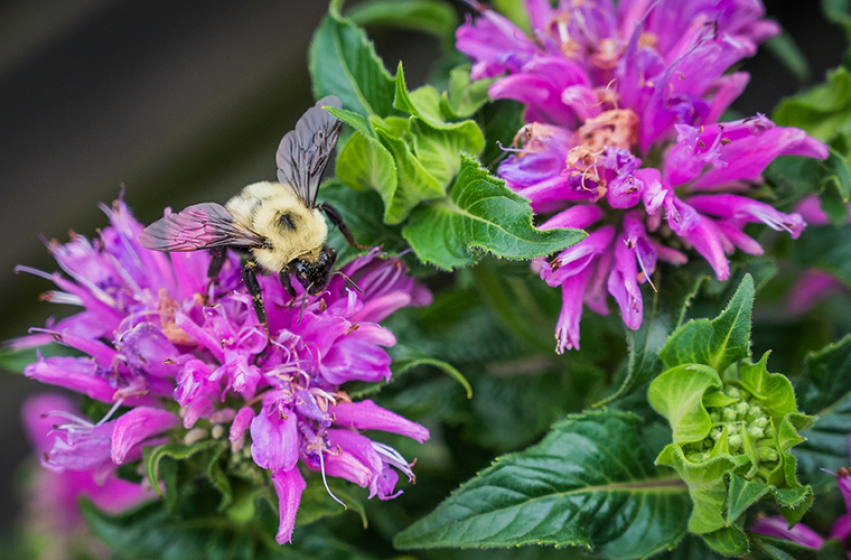
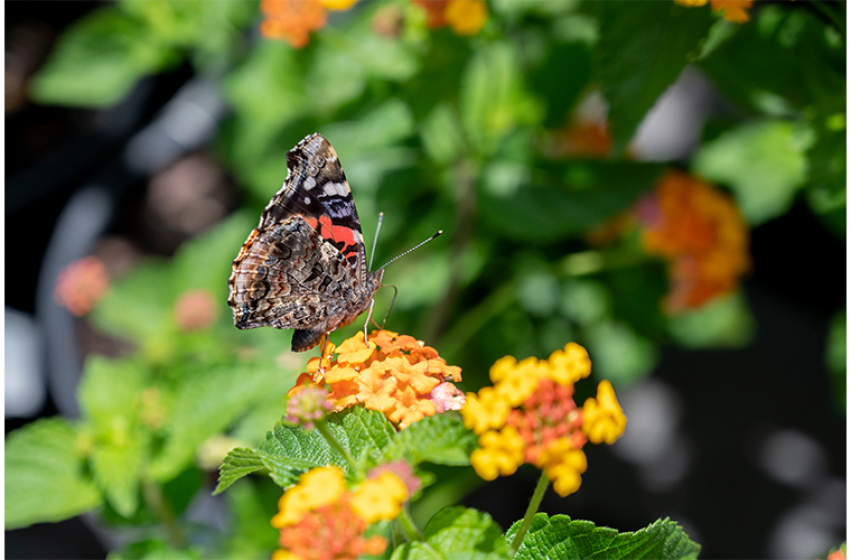
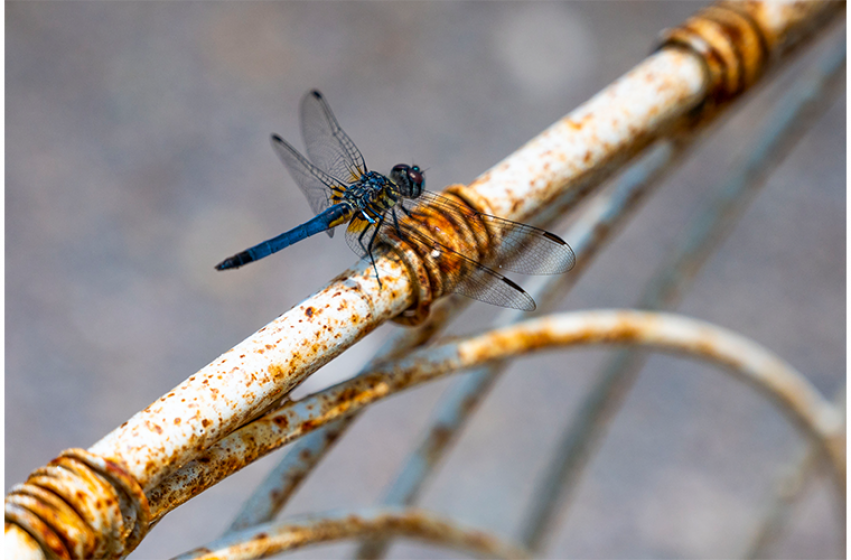
Butterflies and other pollinators are a beautiful and important addition to any garden. With the right plants and understanding of their needs, you’ll not only have these winged beauties in your backyard, but you’ll learn how to get them to stay longer! Before creating a butterfly garden, it’s important to consider which perennials, annuals, trees, shrubs, and pollinator-safe solutions are best to support and attract butterflies to your garden all season long.
SOIL
Soil is a key component in any type of garden. Determine the type of soil you have – clay-base or sandy – and incorporate the soil amendments that will enhance your soil type.
TIP: Amendments for clay and sandy-based soils. For Clay-based soil – use 1/3 your soil + 1/3 compost +1/3 perlite. For Sandy-based soil use 1/3 soil + 1/3 compost + 1/3 peat moss.
LOCATION
Sun vs. Shade
- Most butterfly plants require full sun, so you’ll need to find a good, full sun location that gets at least four to six hours of sunlight.
- Determine the size of the area you’d like to plant. Do you want a large, in-ground garden or a small container garden?
- Butterflies are cold-blooded insects that require the sun’s warmth to help their bodies work. However, you can grow both host and nectar flowering plants in shaded gardens adjacent to sun-drenched areas like driveways or patios.
CHOOSING THE RIGHT PLANTS
Host Plants vs Nectar Plants
NECTAR PLANTS (TO ATTRACT)
- Butterflies are drawn to nectar-producing plants like marigolds, rhododendrons, blackberries, etc.
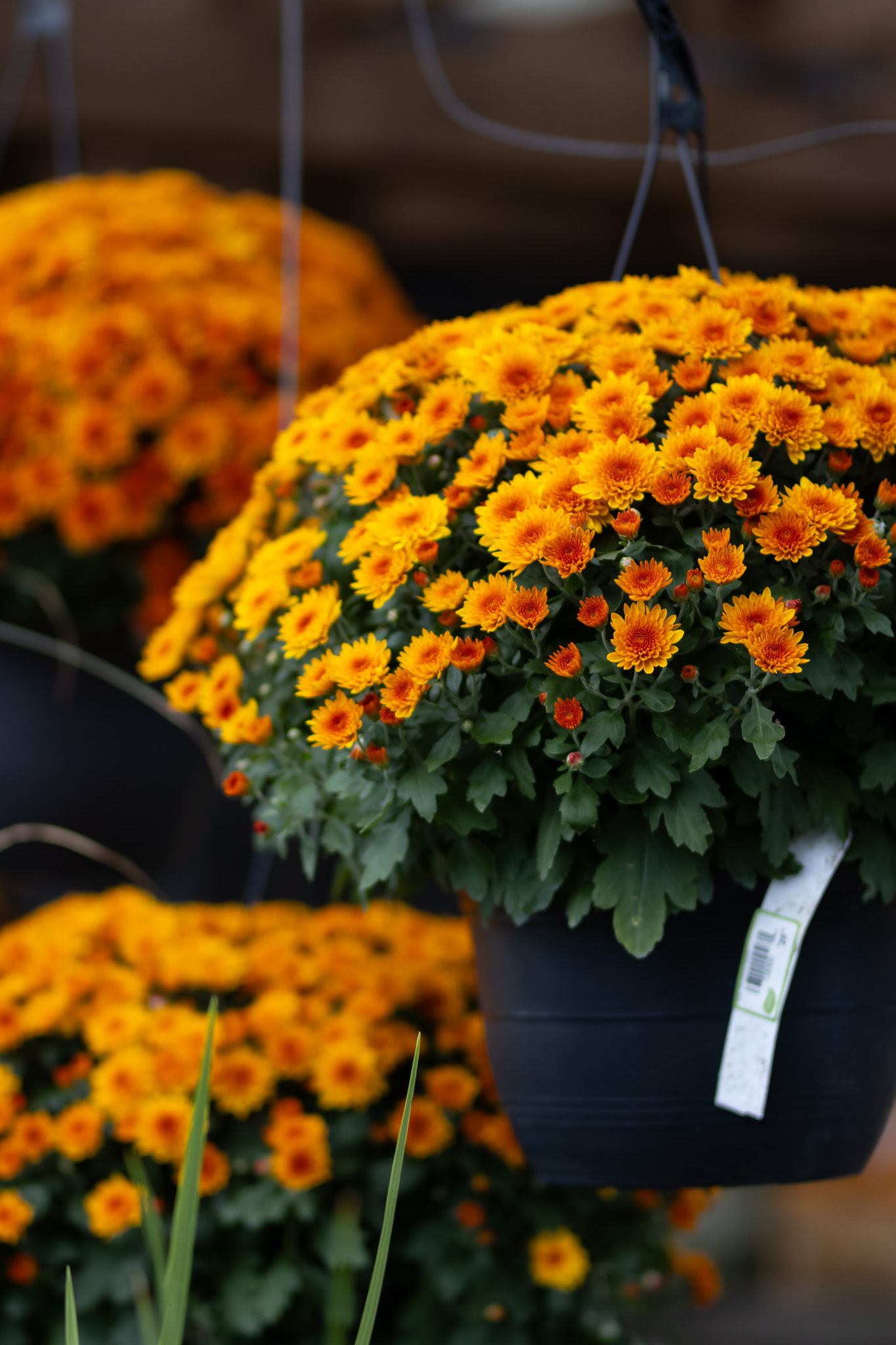
- They are also drawn to color, especially red, orange, yellow, and purple.
- Plant in groups of three to make them easier for pollinators to see.
NECTAR VARIETIES
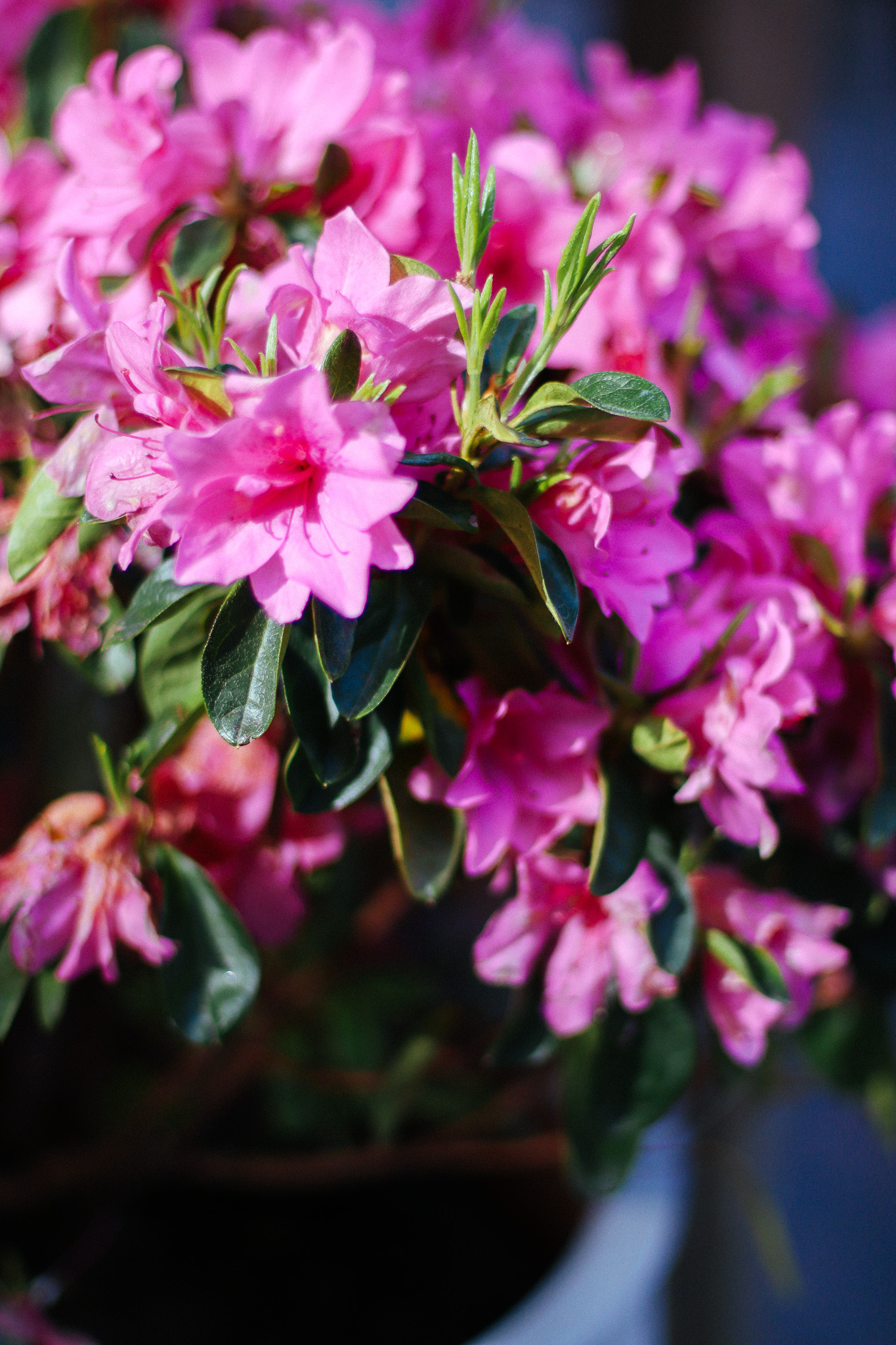
Trees & Shrubs – butterfly bush, azaleas, rose of sharon, weigela, lilac, sweetspire, crepe myrtles, and redbuds, and pawpaw (zebra swallowtail).
Annuals – pentas, petunias, zinnias, lantana, verbena, and dahlias.
Perennials – coneflowers, bee balm, black eyed susan, joe pye weed, salvia, agastache, coreopsis, lantana, hollyhock, asters, goldenrod, yarrow, and veronica.
HOST PLANTS (TO FEED)
These plants are ideal for butterflies to lay their eggs on, with milkweed being the most popular. We recommend using a few different types of host plants to maximize your butterfly garden’s potential. Host plants also attract certain types of butterflies.
Types of Milkweed include swamp, common, tropical (annual), and butterfly weed.
- Monarchs – butterfly or milkweed (tropical is annual), swamp milkweed, and common milkweed.
- Swallowtail – fennel, dill, and parsley
- Zebra Swallowtail – pawpaw
- Tiger Swallowtail – tulip poplar trees, and wild black cherries
OTHER PLANT CONSIDERATIONS:
- Grouping plants together makes it easier for butterflies to locate them.
- Select based on bloom time.
- Do you want blooms through the fall or just for the summer?
- Consider plant size (height and width).
OTHER IMPORTANT ELEMENTS TO INCLUDE IN BUTTERFLY GARDENS:
- Flat rocks for sunning to keep them warm.
- Cool shady spots for them to cool off.
- Water Source – low clay saucer with some rocks, a butterfly bath, or birdbath.
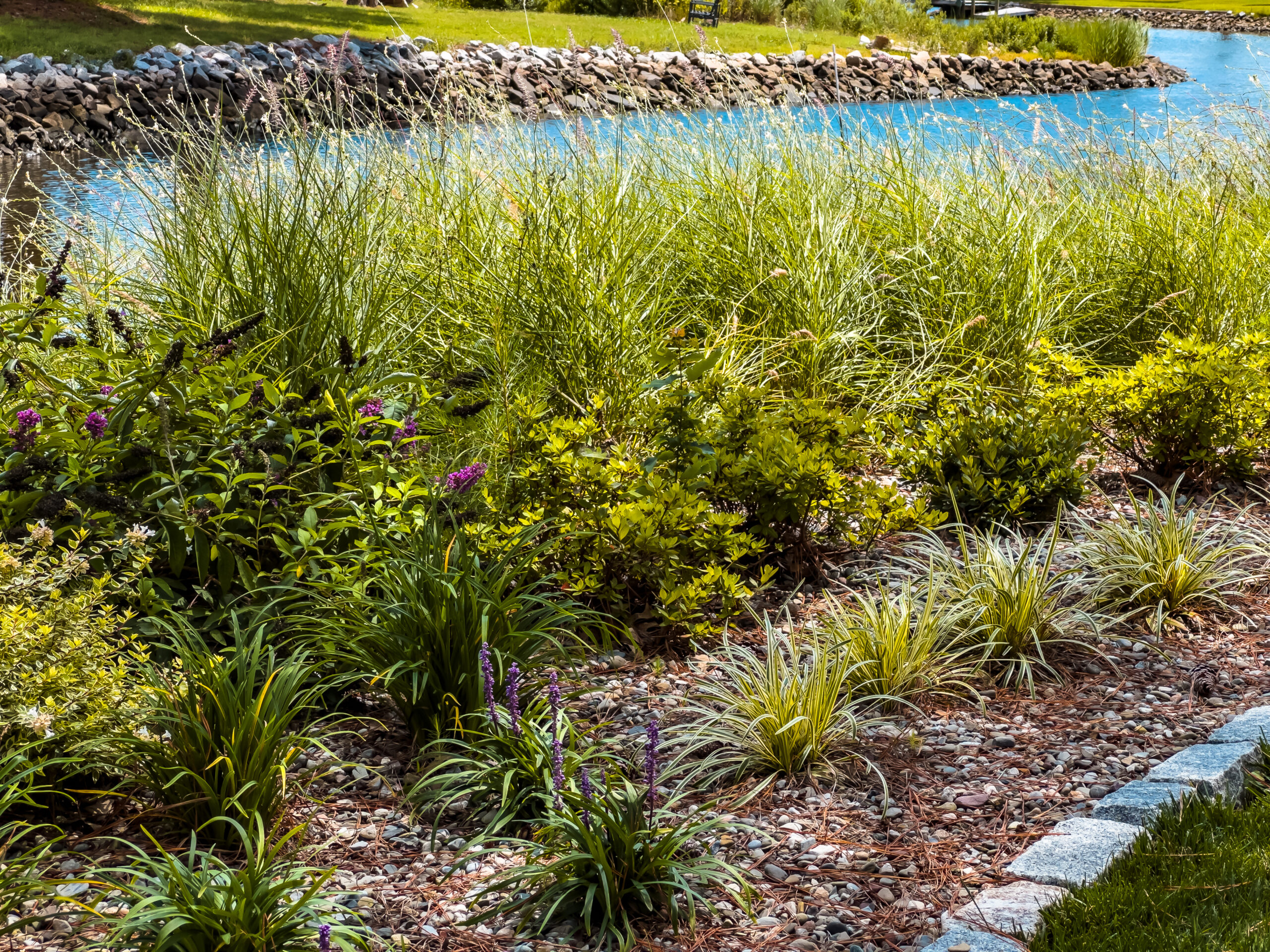
- Grasses for windbreak and overwintering eggs as well as a place for butterflies to hide.
- If using a container, be sure to add different plants and elements such as rocks and small dishes for water.
CARE AND MAINTENANCE
- Perennials – most will need to be deadheaded.
- Water Plants – water deep and often.
- Mulch – to control weeds and produce better plants.
- Feed Your Plants – McDonald Greenleaf (traditional or organic).
- Insect Control – avoid using insecticides that may harm pollinators. Instead, use ladybugs or McDonald organic solutions.
To learn more about pollinators plants click here. To learn more about attracting pollinators click here.