
Light: Bright, Not Direct
Orchids love bright, indirect light. Think east‑facing windows or a spot a few feet back from a sunny south or west window. Too much direct sun can scorch the leaves, while too little light can prevent blooming.
Quick tip: Healthy orchid leaves should be medium green. Very dark green often means not enough light, while yellowish leaves may signal too much sun.
Watering Orchids the Right Way
This is where most orchid myths live.
Orchids do not want to sit in soggy soil or have a cold ice cube to melt away and only water the top half of the root structure (remember, these are tropical plants). Their roots need air just as much as they need water. A thorough watering about once every 5-7 days is usually perfect, allowing excess water to drain completely.
- Water early in the day
- Let the pot drain fully
- Never leave orchids sitting in standing water
Clear orchid pots make it easy to check root health. Silvery roots mean it’s time to water; green roots mean they’re still hydrated. Some orchid varieties are harder to tell whether the plant needs water from the root color, so just ask one of our Green Team members when you’re at one of our year-round locations in Virginia Beach for best tips regarding those varieties.
Humidity and Temperature: Easier Than You Think
Orchids prefer average home temperatures, typically between 65–80°F. If you’re comfortable, your orchid probably is too.
They also enjoy a bit of humidity, but no special equipment is required. Kitchens, bathrooms with bright light, or grouping plants together can naturally increase humidity. A shallow tray with pebbles and water beneath the pot also helps without overdoing it.
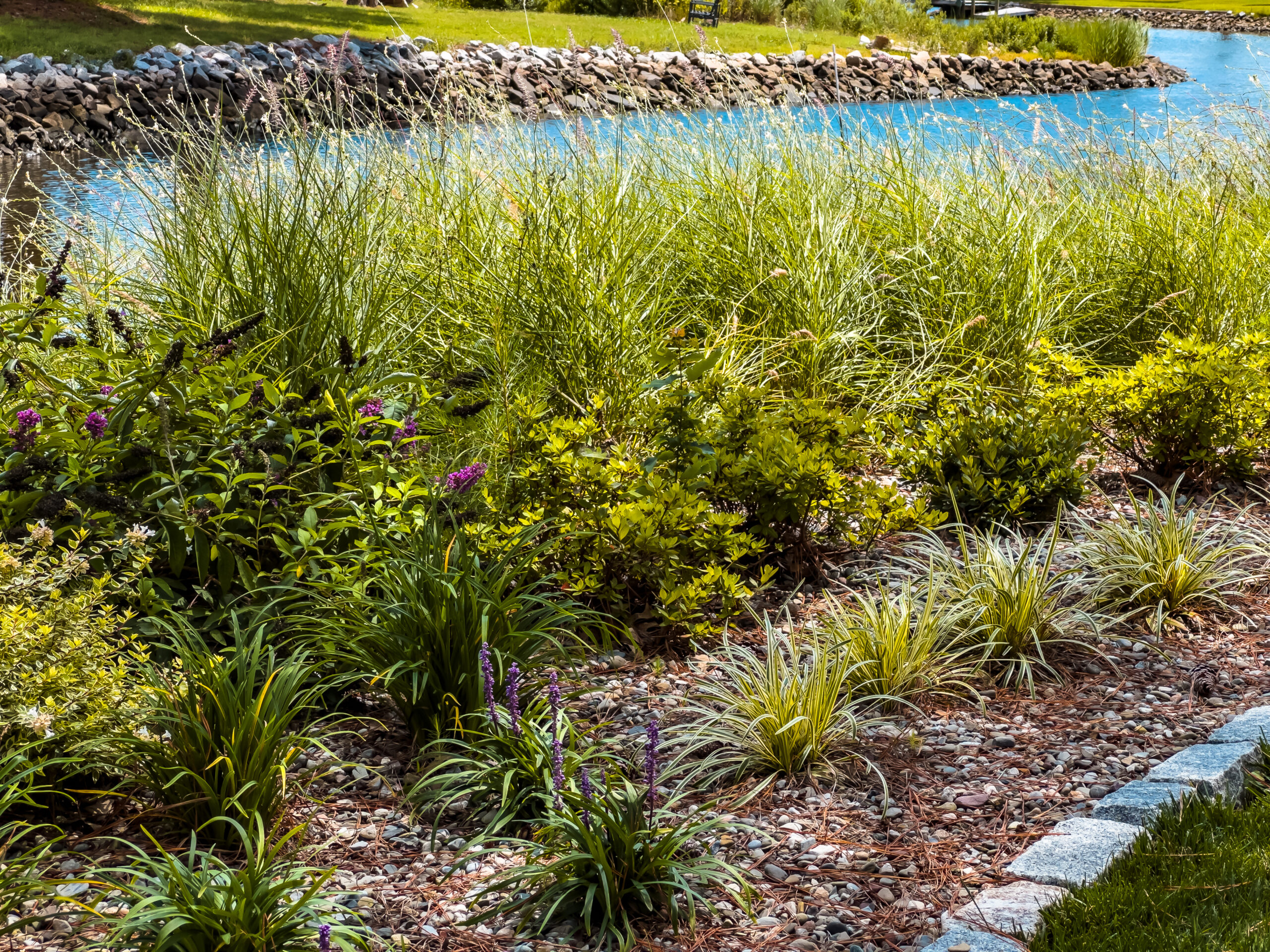
Fall is the season when ornamental grasses truly shine. Their plumes and seed heads catch the autumn light, adding graceful movement and texture to the landscape. Deer rarely bother these plants, making them ideal for borders and naturalized areas.
Why it works: The fibrous foliage isn’t appetizing to deer, and the rustling sound in the wind helps deter them further.
Where to plant: Full sun to light shade; drought-tolerant once established.
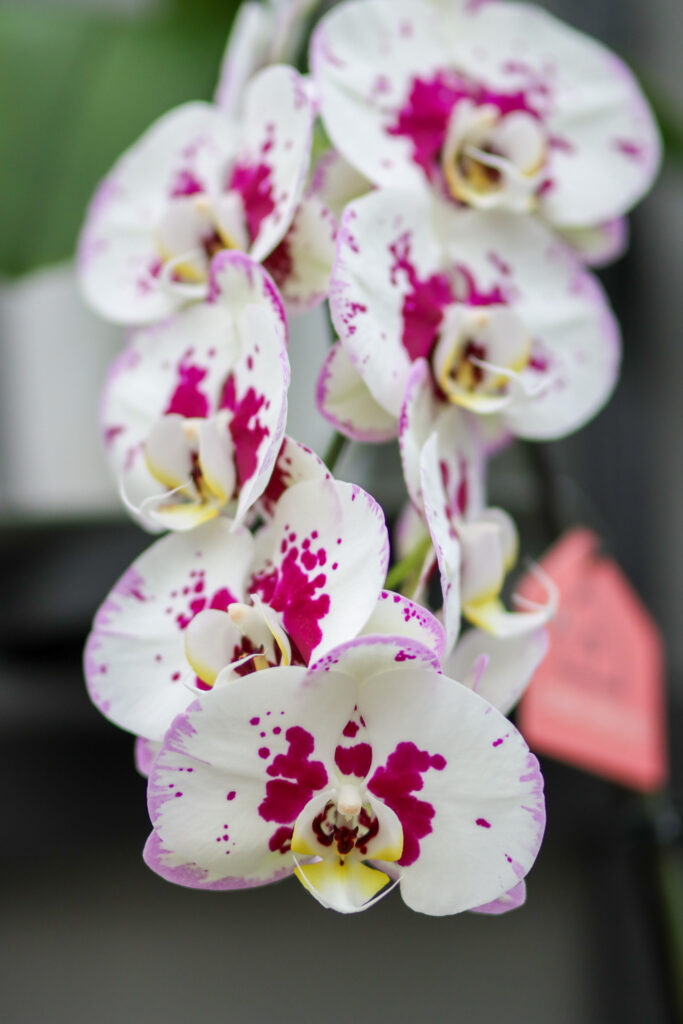
Orchid Potting Mix Matters
Orchids should never be planted in traditional potting soil. Instead, they thrive in chunky orchid bark mixes that allow airflow around the roots.
This open mix prevents rot and mimics how orchids grow in nature. Repotting every year or two keeps roots healthy and gives the plant fresh space to grow.
Feeding Orchids for Success
Orchids don’t need heavy feeding, just consistency. A balanced orchid fertilizer applied lightly during active growth supports healthy leaves and future blooms.
A good rule of thumb is “weakly, weekly” – a diluted fertilizer used regularly rather than strong, infrequent doses.
What to Do After Orchids Finish Blooming
When the blooms fade, your orchid isn’t done. It’s simply resting.
- Leaves and roots should stay healthy and green
- Flower spikes may rebloom or can be trimmed back depending on variety
- Continued care encourages future blooms
With the right conditions, many orchids rebloom once or even twice a year.
Why Orchids Are Worth It
Orchids offer some of the longest‑lasting blooms of any houseplant, often staying beautiful for months at a time. Their clean, modern look fits effortlessly into any home, and once you understand their needs, they’re refreshingly low‑stress.
The biggest secret to orchid success isn’t doing more. It’s doing less, consistently.
If you’ve been hesitant to try orchids, consider this your sign. With simple care, a bright spot, and a little patience, orchids may become one of your favorite houseplants.
Looking for orchids or supplies to help yours thrive? Our team is always happy to help you find the right fit and answer questions along the way. And to stay inspired and grow with us online, follow us on Facebook, Instagram, Pinterest, and TikTok to explore more gardening tips and ideas.