Backyard Birding
Invite the birds to your yard and bring song, color and life to your home.
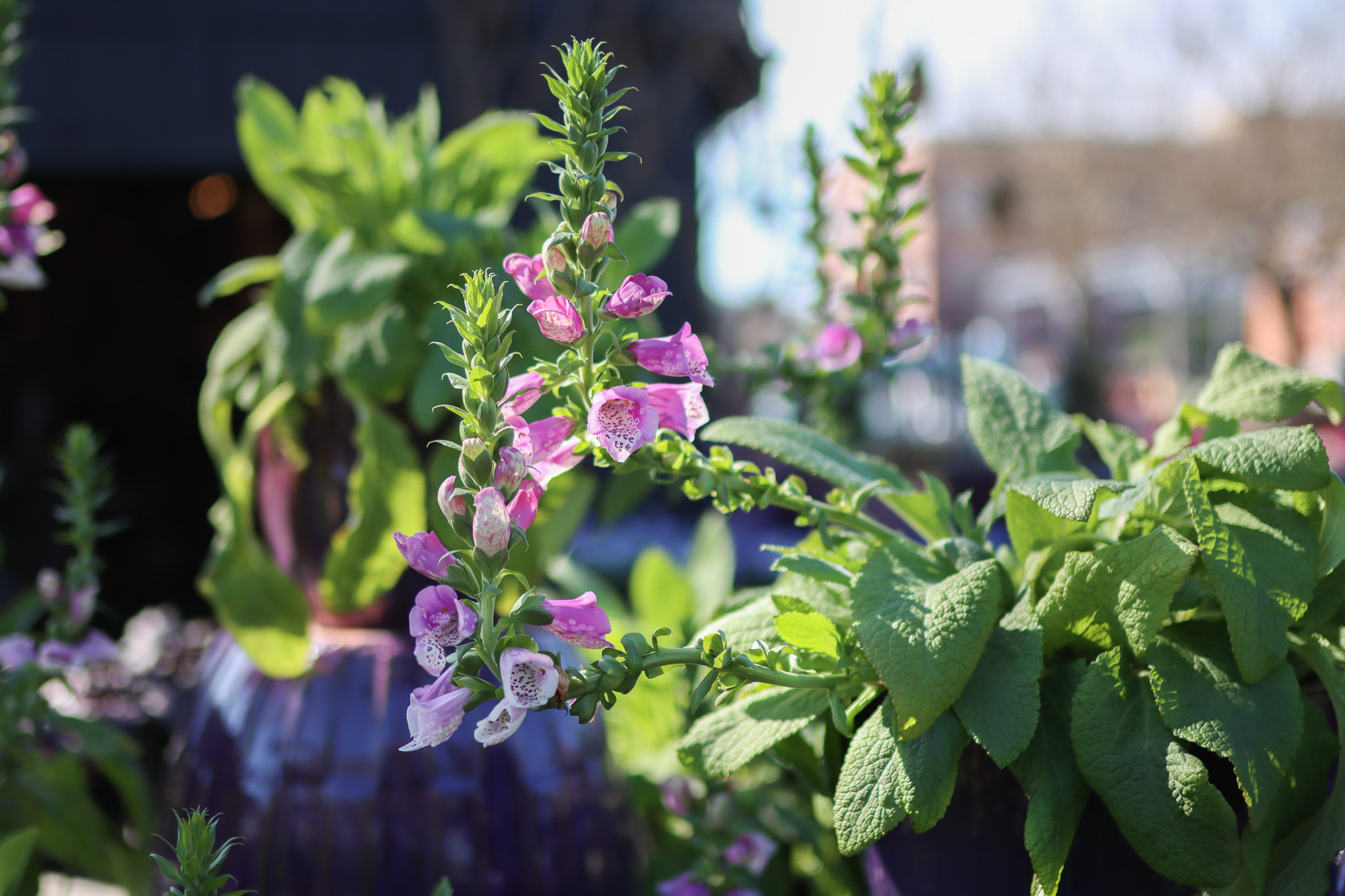
- Plants as a food source. Birds are attracted to seeds, berries, fruits and nectar. A successful bird garden includes plants that bear these foods. Remember that a variety of plants attract the greatest diversity of bird species. Some plants to consider include black-eyed susans and sunflowers for their flowers and seeds; tubular-shaped, nectar-producing flowers to attract hummingbirds; trees and fruiting plants such as crabapples, dogwoods, serviceberries, sumacs, and viburnums.
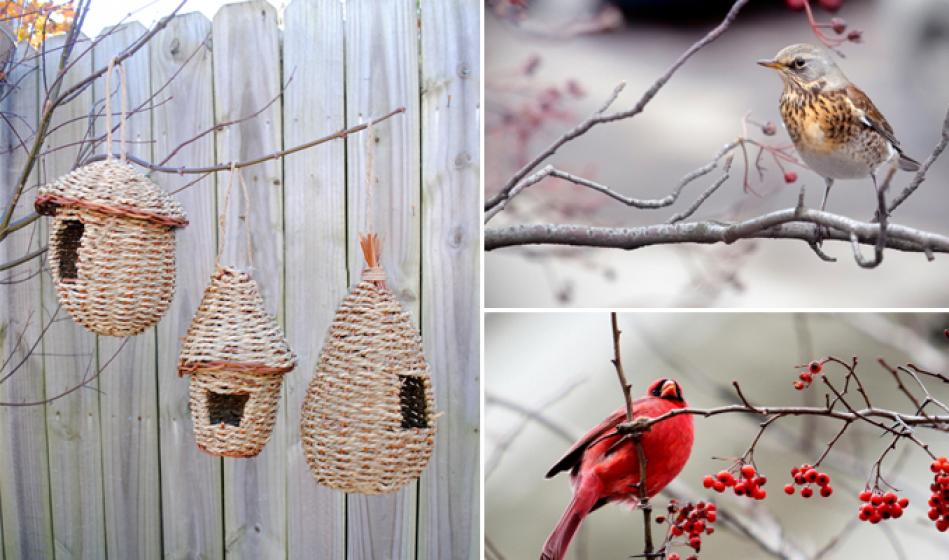
- A Place for nesting and protection. A variety of bushy shrubs, canopy trees and groundcovers provide the nooks and crannies birds need to nest and find food. These plants provide shade from the sun and protection from wind and rain. Conifers such as pines and spruces provide cover, sap, seeds, and nesting sites; and deciduous trees such as oaks, chestnuts, and hickories provide nuts and good nesting locations.You can also provide man-made shelters like houses and roosting pockets as seen above.
- Water. Wild birds need a continuous supply of fresh clean water at all times of the year, for both drinking and bathing. During the colder months, fresh unfrozen water is just as important. A source of water can dramatically increase the number of wild birds you attract in your backyard.
- Supplemental Food. Plants may not always supply sufficient food for our fine feathered friends. By placing seed or suet in a feeder you can attract a wide variety of birds to your garden. Place your feeders in a quiet area where they are easy to see and convenient to refill. Place feeders close to natural cover, such as trees or shrubs, which offer refuge to birds as they wait their turn to feed. Evergreens are ideal, as they provide thick foliage that hides birds from predators and buffers winter winds.
- Groundcover. Many birds such as sparrows, thrashers and thrushes find their food among fallen leaves and groundcover. Low, spreading groundcovers that provide berries are good choices.