Mulch is one of the most important finishing touches in your landscape, but in Coastal Virginia, it does a lot more than just look good. Between sandy soils, salty air, heat, and occasional heavy rains, choosing the right mulch can make a big difference in how your plants perform.
If you want healthier plants, better moisture retention, and fewer weeds, here’s what to use, and what to avoid, in our coastal climate.
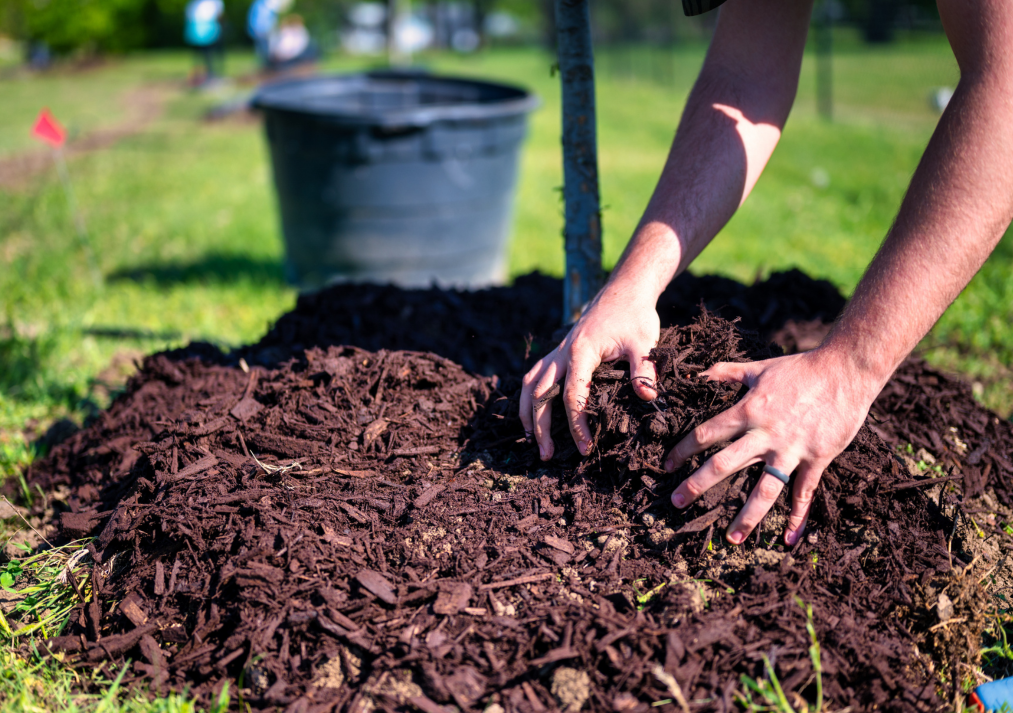
Why Mulch Matters More in Coastal Virginia
Coastal landscapes come with a unique set of challenges:
- Sandy soil that drains quickly
- Salt exposure from ocean air and storms
- Heat and humidity in the summer
- Wind that can shift lightweight materials
The right mulch helps stabilize these conditions by holding moisture, protecting roots, and improving soil structure over time.
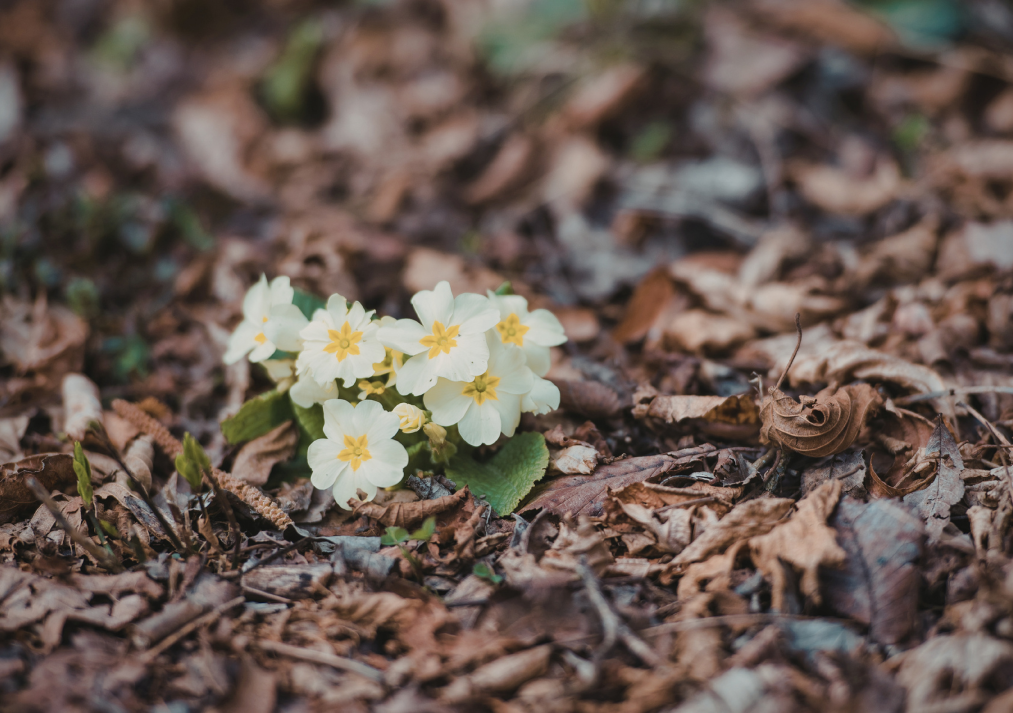
Top Mulch Options for Coastal Landscapes
1. Pine Bark Mulch
A go-to choice for Coastal Virginia gardens.
- Long-lasting and slow to break down
- Helps retain moisture in sandy soils
- Slightly acidic, great for azaleas, camellias, and hydrangeas
Pine-based mulches are especially well-suited to our region since pine trees are native to the coastal Southeast.
Best for: Shrubs, foundation plantings, and perennial beds
2. Shredded Hardwood Mulch
A versatile and widely used option.
- Breaks down to improve soil over time
- Stays in place better than lighter mulches
- Budget-friendly and easy to spread
Just be sure not to apply it too thickly, dense layers can limit airflow to roots.
Best for: Flower beds, slopes, and large landscape areas
3. Pine Straw (Pine Needles)
A coastal classic with natural benefits.
- Excellent for moisture retention while still allowing airflow
- Lightweight and easy to install
- Naturally complements coastal and woodland-style landscapes
Pine straw works particularly well in sandy soils where drainage is already high.
Best for: Large beds, naturalized areas, and acid-loving plants
4. Wood/Bark Chips
A sustainable and highly effective option.
- Great for weed suppression and moisture retention
- Improves soil health as it breaks down
- Coarser texture helps prevent compaction
Fresh wood chips are one of the most beneficial mulches for long-term soil health and structure.
Best for: Tree rings, pathways, and natural landscape areas
5. Compost as Mulch
More than just a mulch, it’s also a soil booster!
- Adds nutrients and beneficial microbes
- Improves soil structure and water retention
- Breaks down quickly, feeding your plants
Because it decomposes faster, it may need to be reapplied more often than other options.
Best for: Vegetable gardens and seasonal plantings
6. Specialty Options for Coastal Conditions
If you’re dealing with extreme coastal exposure:
- Coconut coir holds significant moisture in sandy soils
- Seaweed mulch can add trace minerals and tolerate salty environments
These are less common but can be helpful in highly exposed coastal spaces.
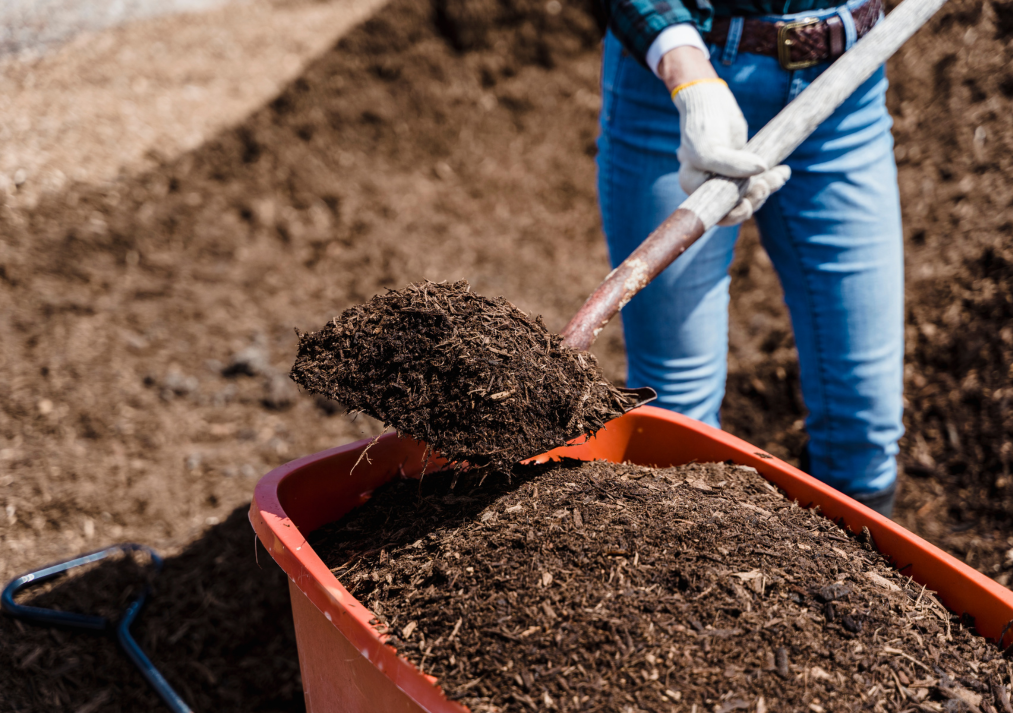
Pro Tips for Mulching Success
- Apply 2–3 inches of mulch for best results
- Keep mulch away from plant stems and tree trunks
- Refresh organic mulch twice per year (now is a great time!)
- Choose coarser mulch in windy or salt-exposed areas
Coastal landscapes benefit from mulches that balance moisture retention with good drainage, especially in sandy soil conditions.
The Bottom Line
For most Coastal Virginia landscapes, you really can’t go wrong with:
- Pine bark for long-lasting structure
- Shredded hardwood for versatility
- Pine straw for a natural, coastal look
The best choice ultimately depends on your plants, your style, and how much maintenance you want to do, but choosing the right mulch sets the foundation for a healthier, more resilient landscape. Stop by our garden centers or markets to explore our selection and let our Green Team help you choose the best mulch for your garden and landscape. To stay inspired and grow with us online, follow us on Facebook, Instagram, Pinterest, and TikTok to explore more gardening tips and ideas.