The Easiest Birds to Spot in Winter (and How to Attract Them)

When the garden feels quiet and the trees are bare, winter might seem like a slow season outdoors, but it’s actually one of the best times to enjoy birds. With fewer leaves to hide them and natural food sources running low, backyard birds become easier to spot and more likely to visit feeders and landscapes that offer what they need.

With just a little setup, your winter garden can become a front-row seat to some of the prettiest, most entertaining wildlife of the season. Here are the easiest birds to spot in winter across Hampton Roads, and how to invite them in.

Northern Cardinal
Carolina Chickadee
Blue Jay
Tufted Titmouse
White-throated Sparrow
Downy Woodpecker
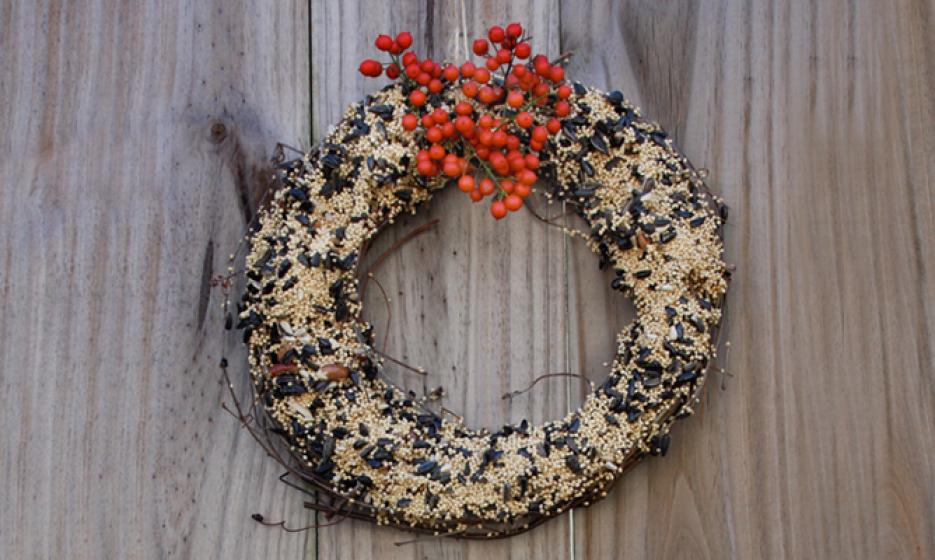
Birdseed
Bird houses

Northern Cardinal

Bright red cardinals are the unofficial stars of winter birdwatching (as well as our state bird!) Their color pops against gray skies and bare branches, and they don’t migrate, so they’re here all season long.

How to attract them:

  • Black oil sunflower seeds are their favorite
  • Offer safflower seed to keep squirrels and bully birds away
  • Provide shrubs or evergreens for shelter from wind and predators

Carolina Chickadee

Small, curious, and always busy, chickadees are easy to recognize by their black cap and cheerful calls.

How to attract them:

  • Sunflower seeds, peanuts, and suet
  • Hanging feeders or hopper feeders
  • Trees and shrubs nearby so they can dart in and out

Blue Jay

Bold, brilliant, and full of personality, blue jays bring so much life to the winter garden. They’re also incredibly smart and social, often visiting feeders in family groups.

How to attract them:

  • Peanuts (in or out of the shell)
  • Large platform or tray feeders
  • Oak trees are a bonus, they love acorns
     

Tufted Titmouse

These gray birds with their little crests are closely related to chickadees and often travel in mixed flocks.

How to attract them:

  • Sunflower seeds and peanuts
  • High-fat suet cakes
  • Plant dense shrubs for cover

White-throated Sparrow

You’ll often see these birds scratching around on the ground beneath feeders. They’re winter visitors in our area and have distinctive striped heads.

How to attract them:

  • Scatter seed on the ground or use low platform feeders
  • Millet and mixed seed blends
  • Leave some leaf litter nearby for natural foraging

Downy Woodpecker

These tiny woodpeckers are common winter guests and easy to spot clinging to tree trunks or suet cages.

How to attract them:

  • Suet feeders
  • Native trees and dead wood (when safe to keep)
  • Peanuts and sunflower seeds

How to Turn Your Yard Into a Winter Bird Haven

You don’t need acres of land to attract birds, just a few thoughtful touches.

1. Offer the Right Food

In winter, birds need high-energy foods to stay warm:

  • Black oil sunflower seeds
  • Suet
  • Peanuts
  • Quality mixed seed blends

We can help you find the best combos for the birds you’d like to attract at our Bird Barn.

2. Add a Water Source

Fresh water is just as important as food. Birds need it for drinking and keeping their feathers clean and insulated.

  • Use a shallow birdbath
  • Add a heater or break ice daily during freezes

3. Give Them Shelter

Wind and cold are tougher than snow. Birds look for:

  • Evergreen trees and shrubs
  • Dense hedges
  • Brush piles or natural garden areas

Even your winter containers and foundation plantings help create safe places to hide.

4. Skip the Fall Clean-Up (Just a Little)

Seed heads, grasses, and fallen leaves provide natural food and cover. Letting part of your garden stay a little wild makes a big difference for winter wildlife.

Bring the Garden to Life, Even in Winter

Winter doesn’t have to feel empty. With the right feeders, food, and plants, your backyard can come alive, even on the coldest days. And if you’re ready to create your own winter bird hangout, our Green Team is always happy to help you choose feeders, seed, and plants that bring birds right to your window. To stay inspired and grow with us online, follow us on Facebook, Instagram, Pinterest, and TikTok to explore more gardening tips and ideas.