Warm-Up Your Winter with These Low Maintenance Houseplants
The winter season can be a peaceful time, but if you are longing for a vibrant pop of color to break up the drab browns and grays of the season, consider adding houseplants to your space. No matter if you’re lacking a green thumb or short on space and light, there are indoor plant options that can stand up to even the most harsh of conditions. Our houseplant experts recommend that before purchasing a houseplant consider these three simple questions: where is the plant going to live?; what kind of light does the area receive?; and what are the plants watering requirements? We’ve selected a few of our favorite low-maintenance wonders that can stand up to neglect while still bringing a touch of green into your life. Take a look at the list below, then see if any of these gorgeous plants could be a fit in your home.
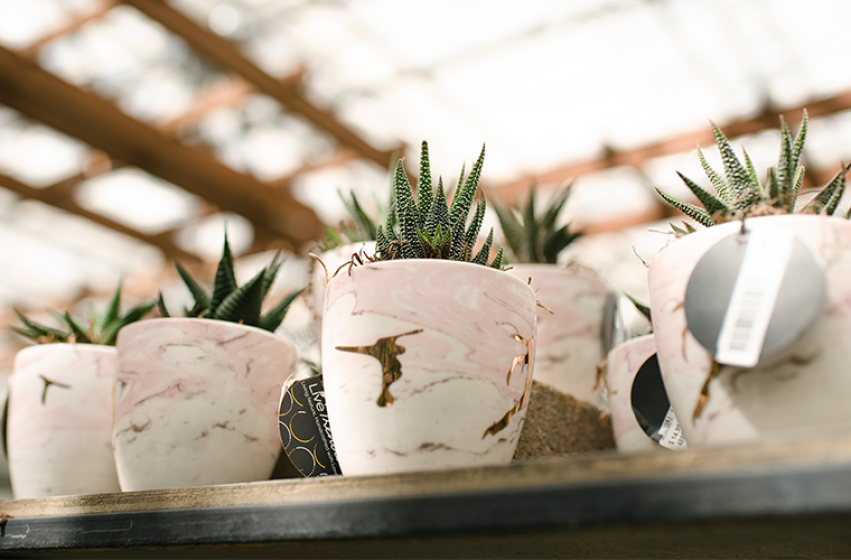
Succulents are one of the most versatile plants on the globe. Because they have shallow roots, they can survive without a great deal of water or care and thrive in drought-like conditions. Succulents also have a variety of pleasing shapes and colors, looking good whether they have blooms or not! These stylish plants have moved to center stage and are being used in a multitude of ways both inside and out. Succulents used in all sorts of ways; as table arrangements, living sculptures, as cut flowers – the skies the limit when it comes to using succulents. Take advantage of these unique garden characters and challenge yourself to come up with new ways to display your succulents around the house.
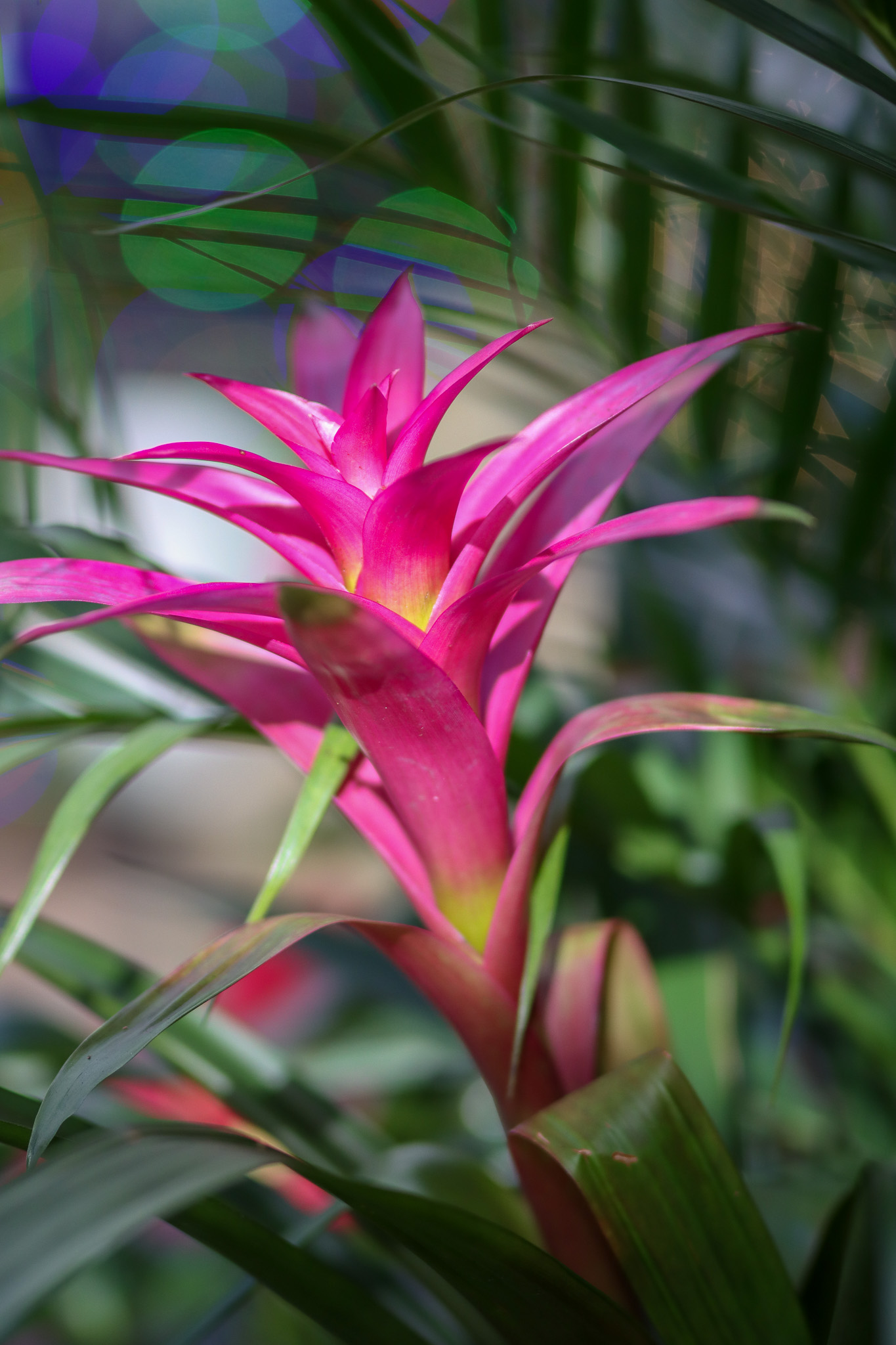
Air Plants or Tillandsias survive mostly on air and an occasional watering. These unique plants, from the Bromeliad family, absorb nutrients, especially calcium and water, from the air which provides an abundant supply of nutrients to the plant rather than through their roots. Place them in glass terrariums, hang them from string on their own, set them in a shell or on a stack of books. They can even be glued, wired, pinned or tied to driftwood, seashells or baskets. The possibilities for the tough little plants is endless. Air Plants need plenty of fresh air and humidity. To water the plant, submerge it every two weeks.
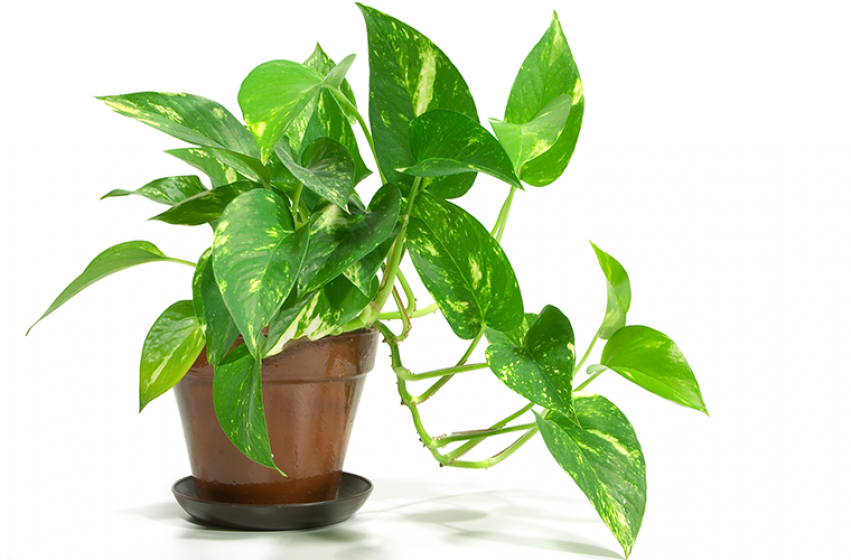
Pothos are tough, versatile plants among the most popular of houseplants. This plant gets its name from its leaves, which are heart-shaped and glossy green. Pothos grow trailing, leafy vines that can reach 40 feet in tropical jungles, but usually confines itself to about 6-10 feet in containers, when allowed to trail freely. This hardy plant is able to withstand neglect and less than optimal lighting conditions. Pothos prefer natural, bright, indirect light. If they’re exposed to too much light, they may slowly lose the lush color and slowly turn a pale green. As a general rule, check the soil and water when the top inch of soil feels dry. Keep the soil evenly moist but allow it to dry out between waterings.
Snake Plants are tough plants with heavy, sword-like leaves which shoot up from the base of the dirt and can grow to 4-feet in height. The snake plant prefers moderate to bright light. This houseplant prefers to be watered once every 7 – 10 days thoroughly, allowing the soil to dry in between waterings. Drooping foliage can indicate over watering. On the other hand if the foliages begins to wrinkle or bend over you are not providing enough water.
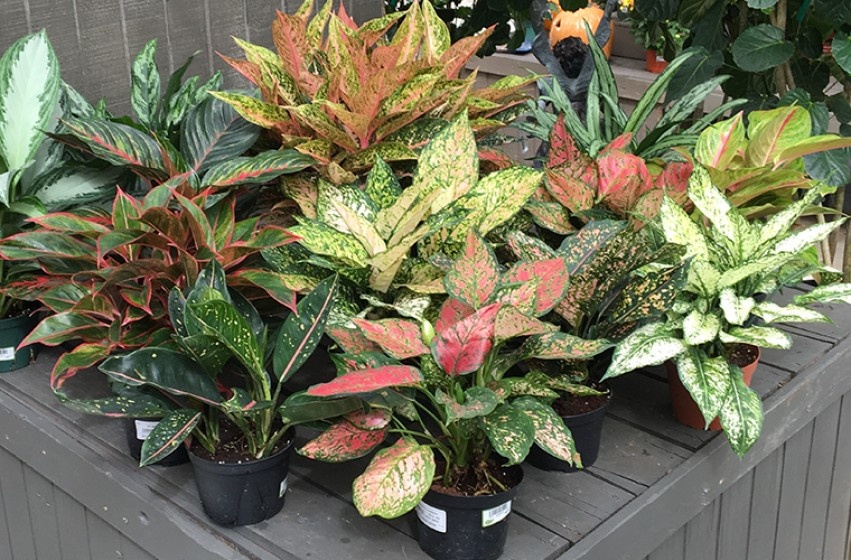
Chinese Evergreens are another versatile low light, low growing, durable houseplant. The distinctive foliage and compact size make it an ideal accent plant. Chinese evergreens are available in assorted varieties, but no matter which one you choose, rest assured they are all easy to care for. This plant tolerates low light but does best if located in bright indirect sunlight. Keep it constantly moist but not wet, since sitting in water can cause rot. A moderate drying between the waterings is okay, but the soil shouldn’t dry put completely.