Low Maintenance Landscapes
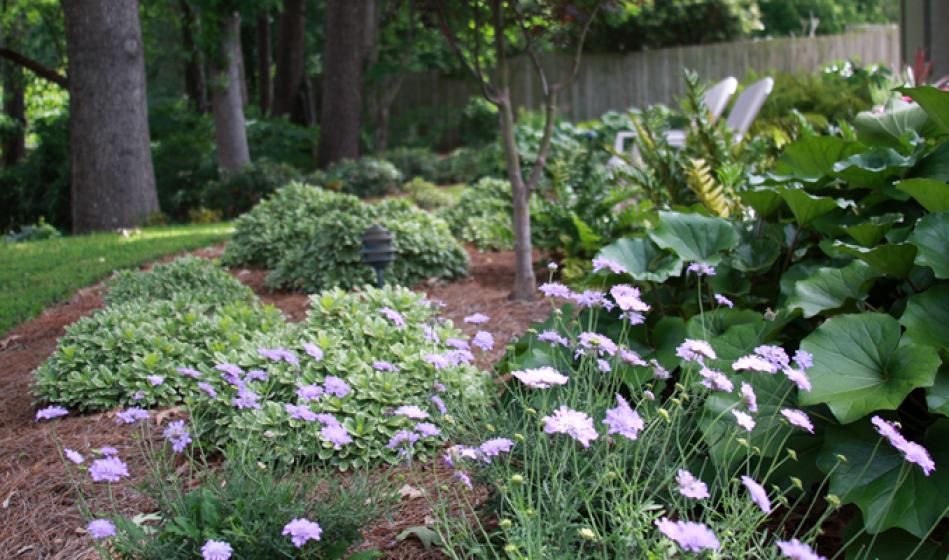
Two words every homeowner loves to hear: ‘low’ and ‘maintenance’. We would be lying if we told you there was such thing as a maintenance-free landscape. However, with a little research and planning you can create a gorgeous landscape that is functional, meets all your needs, and requires minimal time and yes, LOW maintenance. So, if you’re goal is to spend more time relaxing and less time working in the garden, follow these four tips on how to keep your landscape low maintenance:
CHOOSE PLANTS WISELY
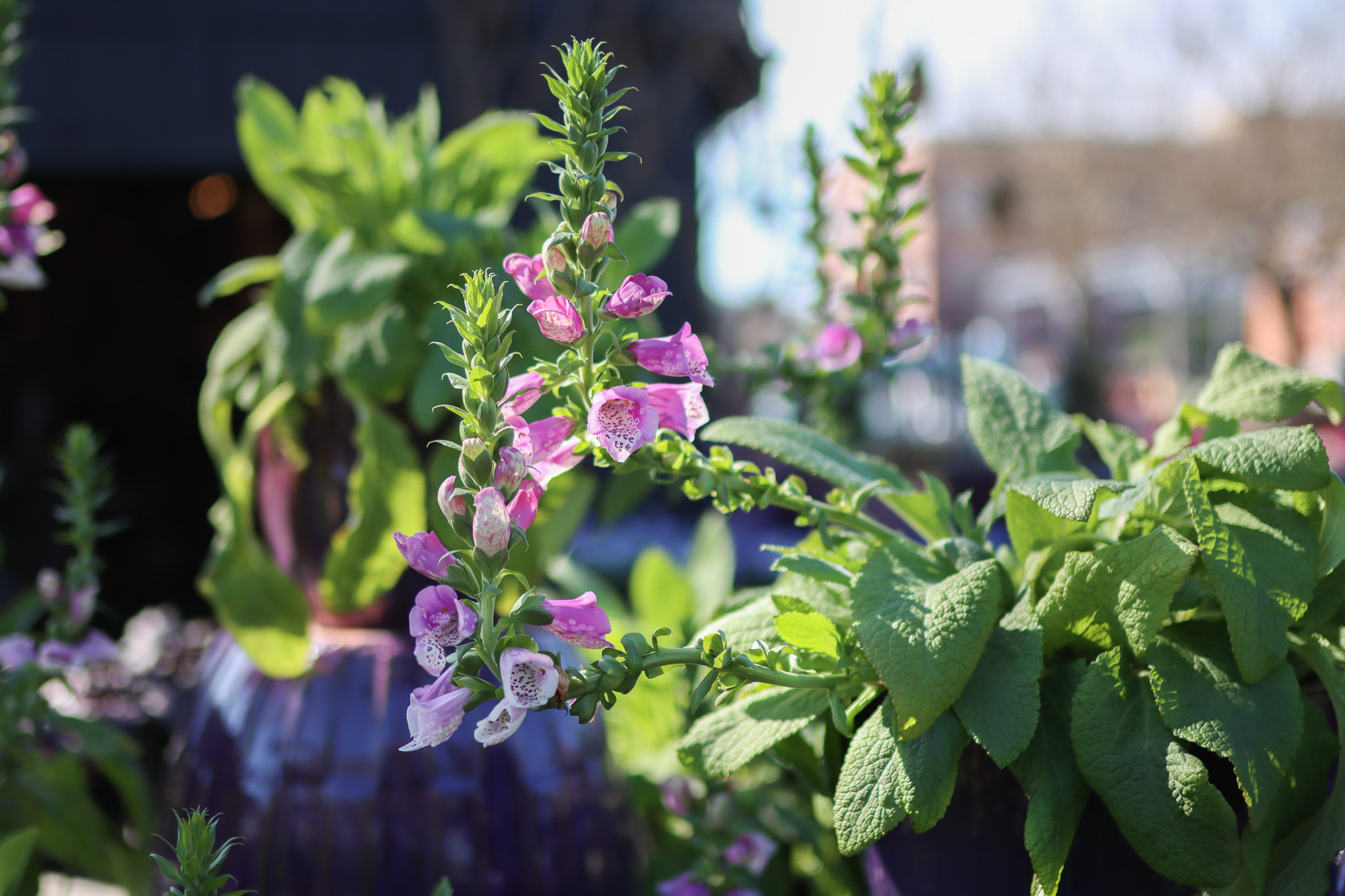
Low maintenance plants include those that don’t grow too big, or at least grow slowly requiring minimal pruning. Drift Roses, Eleanor Tabor Indian Hawthorne, Nandina Firepower and Liriope are good choices for shrubs. Incorporate perennials that don’t need a lot of water like Autumn Joy Sedum, Hens & Chicks, native Coneflowers, Lambs’ Ears, Daylilies and Coreopsis. Complement these with a drought-resistant grass such Blue Fescue, Fountain Grass or Yellow Pampas Grass. Trees are also typically lower maintenance. Consider Crepe myrtles, Japanese Maples, Dogwoods, Yuccas and Redbuds.
REDUCE TURF AREAS
The more open grass areas in your landscape, the more weeding and maintenance work you’ll have to do. There are many things you can do to reduce turf areas in your yard.
Mulch may not seem very important in the grand scheme of things, but it’s actually key for the health of any landscape and helps to minimize lawn maintenance. Use mulch to seal in moisture for less watering and to discouraging weed growth. Mulch can also create a unified look and comes in a variety of colors and materials. McDonald Landscapes recommends maintaining mulch to a depth of 3 inches to reap all the benefits that mulch provides.
Hardscapes such as patios and walkways can also minimize the space that needs be maintained. These structures also make it easier for visitors and family to enjoy your garden.
ADD IRRIGATION
Irrigation cuts landscaping maintenance time by ensuring that every plant gets the water it needs, and there are a variety of irrigation options available.
Soaker hoses are convenient and a very cost-effective way to water. When water is turned on and pressure builds inside the hose, water is forced out of small pores in a steady drip that can easily be absorbed by plants. Incorporate soaker hoses throughout your garden. Wind them around trees and shrubs, or line your vegetable garden for an instant irrigation system. Covering them with mulch helps them disappear and less likely to lose water to evaporation.
Drip irrigation systems are another option. Drip irrigation sends water directly to a plant’s roots in a slow drip where it can be easily absorbed. To make irrigation systems even more convenient, may types offer timer based controllers so you can “set it and forget it”.
PLANT IN THE FALL
Did you know that fall is actually the best time to plant most trees & shrubs? Fall planting allows plants to root prior to summer drought and helps reduce watering in the first year.