Keeping houseplants healthy isn’t always as simple as it sounds.
If you’ve adjusted the light, double-checked your watering schedule, and your plant still seems like it’s just…existing, you’re not alone. Many indoor plant struggles aren’t about effort. They’re about nutrition. When a houseplant is stuck in survival mode, the missing piece is often what’s happening in the soil. Just like us, houseplants need consistent, balanced nourishment to grow strong, vibrant, and resilient.
Why Houseplants Need Plant Food
In nature, plants have access to a constantly renewing ecosystem. Organic matter breaks down. Nutrients recycle. Roots can spread in search of what they need.
Houseplants grow in a much more controlled environment. We control the light, the watering, the temperature, and the soil. But because they live in a confined pot, the nutrients available to them are limited to what’s in that container.
Every time you water, small amounts of nutrients move through the soil and out the drainage hole. Over time, even high-quality potting mix becomes depleted.
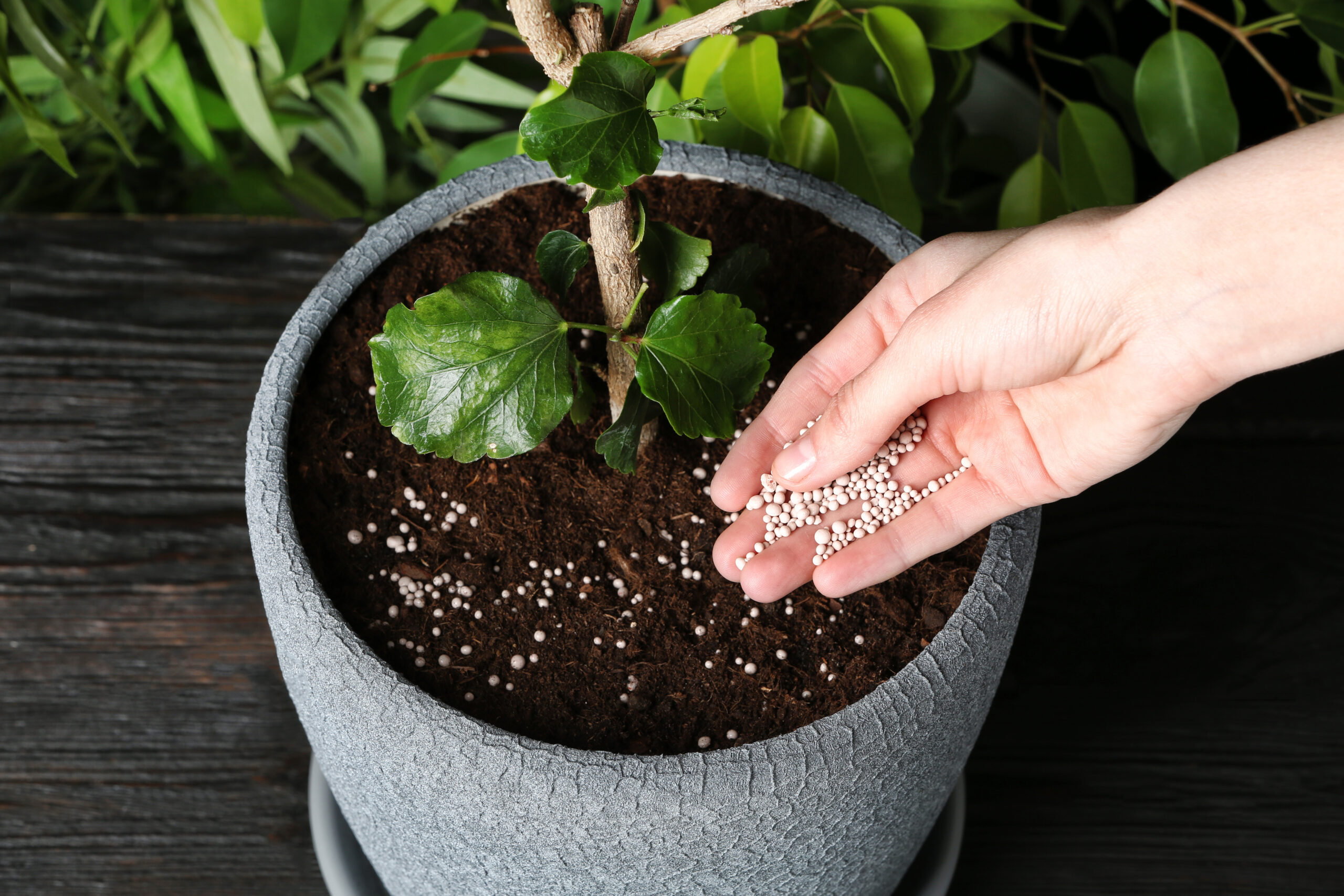
That’s where feeding comes in. Plant food simply replaces what the plant has already used.
The Signs Your Houseplant Might Be Hungry
Nutrition issues indoors often show up subtly at first. Watch for:
- Pale or yellowing leaves
- Smaller new growth
- Weak, floppy stems
- Slower growth during spring and summer
- Fewer or no new leaves
Before assuming pests or overwatering, ask yourself: when was the last time this plant was fed?
Understanding N-P-K
Fertilizers list three numbers, like 10-10-10 or 3-1-2. These show the ratio of NPK:
- Nitrogen (N) – Promotes leafy green growth.
- Phosphorus (P) – Supports root health.
- Potassium (K) – Strengthens overall resilience.
For most houseplants, a balanced plant food works beautifully during active growth. You don’t need anything complicated. You just need consistency. However, we do have some recommendations on plant foods we like, such as Houseplant Hero from Fertilome, and Espoma Organic’s Indoor Plant Food, which are both great all-around feeders. Houseplant Hero also comes in more specific NPK structures for houseplants like orchids, cactus and African violets.
When to Feed Your Houseplants
Houseplants follow light patterns more than the calendar.
- Spring & Summer: This is their growing season. Feed consistently.
- Fall: Slow down as light decreases.
- Winter: Most houseplants rest. Feeding during low light can actually stress them.
If your plant is actively pushing new leaves, that’s your signal it’s ready to eat.
How to Feed (Without Overdoing It)
One of the biggest fears with using plant foods is overfeeding, and that’s valid. Too much can cause salt buildup and root damage.
A simple rule of thumb:
- Use a diluted liquid fertilizer during watering.
- Feed regularly but lightly during the growing season.
- Always water first if the soil is very dry.
Or you can try organic-focused plant foods like the Espoma plant food mentioned earlier to worry less about over or underfeeding. However, you may want a specific type of plant food depending on the goal you have for your houseplants, so come chat with our Garden Pharmacy Green Team members to learn more about what food might work best for you.
Why Proper Nutrition Changes Everything
When a houseplant is properly fed, you’ll notice:
- Larger leaves
- Richer color
- Stronger stems
- Faster, more confident growth
- Better recovery from stress
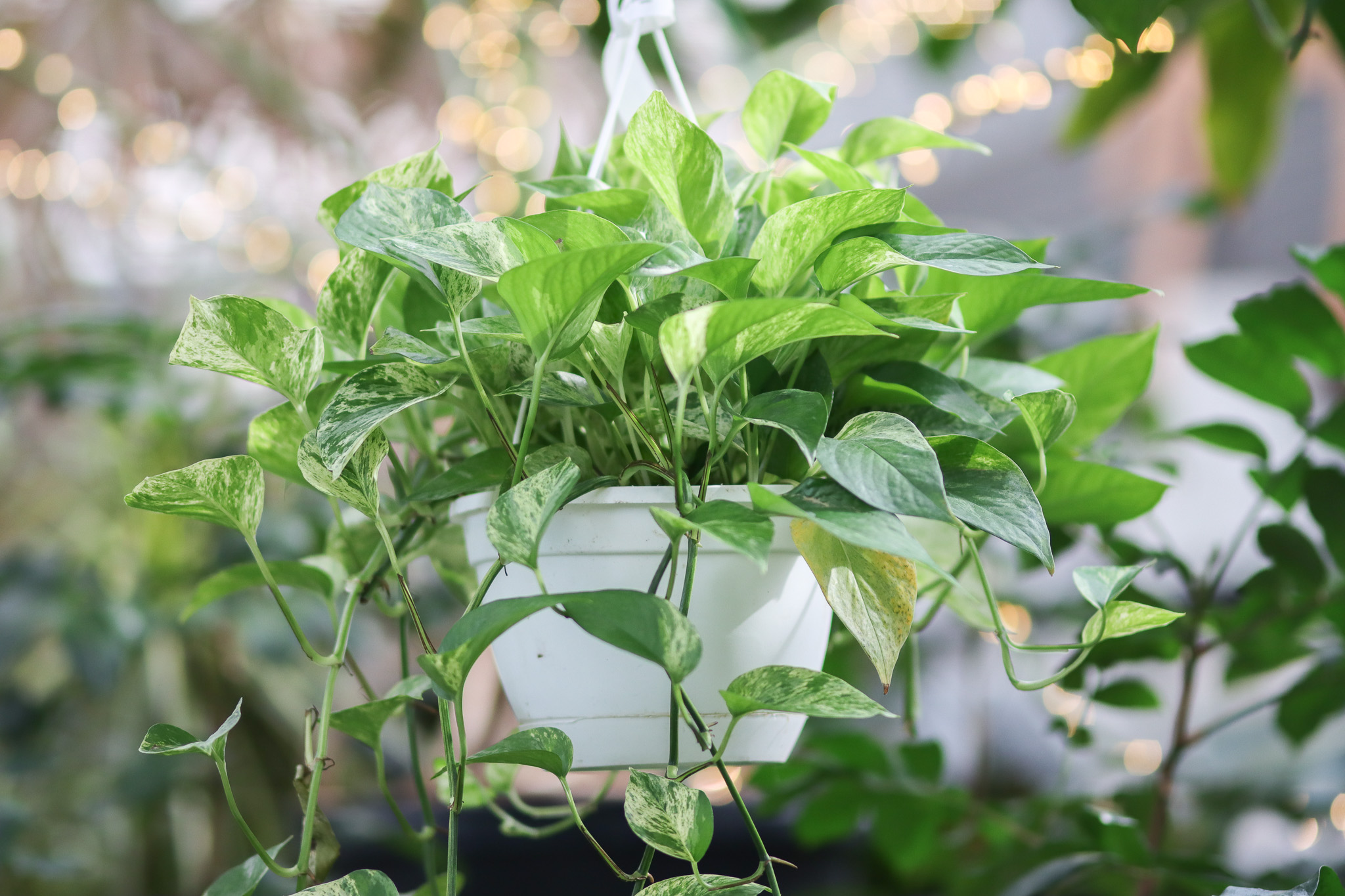
That fiddle leaf fig that hasn’t moved in months? It may just need nutrients. That pothos with tiny leaves? It could be underfed. That snake plant that hasn’t done anything in what feels like years? It might be ready for a boost.
If your plant is simply holding steady, nutrition might be the gentle shift that helps it move forward. And if you’re unsure what product to use or how often to feed, that’s what we’re here for. Stop by, bring photos, ask questions, our Green Team can help you create a simple feeding routine that fits your space and your schedule. To stay inspired and grow with us online, follow us on Facebook, Instagram, Pinterest, and TikTok to explore more gardening tips and ideas.