Our relatively mild winters allow us to start planting sooner than many parts of the country, but shifting temperatures still call for a thoughtful approach. The key in USDA zones 7-8 is planting early with the right varieties and giving roots time to establish before summer arrives.
Here’s how to make the most of early spring in a zone 7-8 garden.
Understand Your Timing
In zones 7-8, the average last frost date typically falls in early April. Late February through early April is ideal for planting crops and flowers that thrive in spring’s milder conditions.
Soil temperature plays an important role. Many early-season vegetables and flowers perform well once soil reaches about 45-50°F, which often happens before consistently warm days arrive. Planting during this window encourages strong root growth ahead of summer heat.
What to Plant in Early Spring
Early-Season Vegetables
These crops thrive in the gentle temperatures of spring and may decline once summer intensifies:
- Lettuce
- Spinach
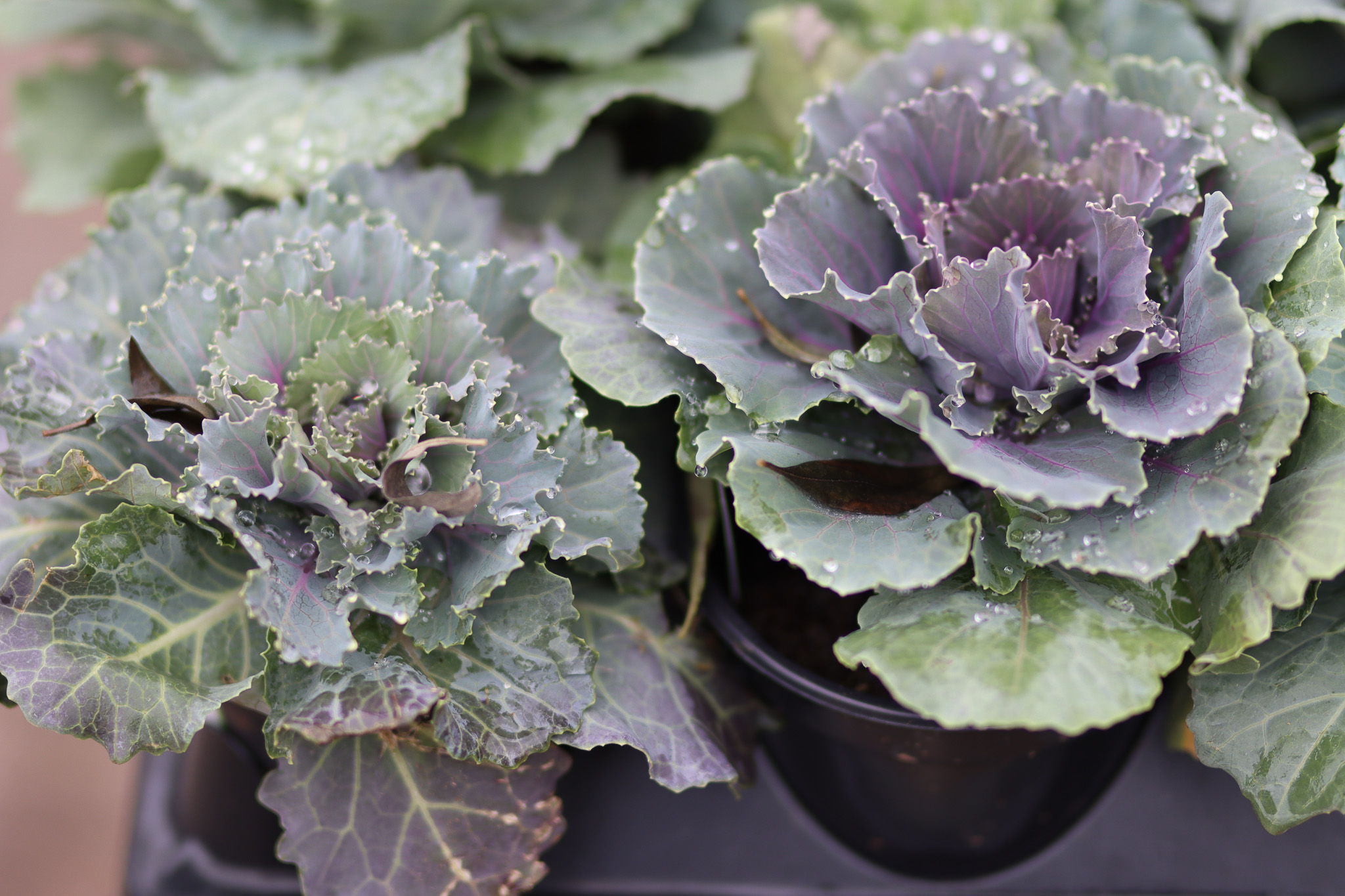
- Kale
- Swiss chard
- Broccoli
- Cauliflower
- Cabbage
- Peas
- Carrots
- Radishes
- Beets
- Onion sets or transplants
- Potatoes
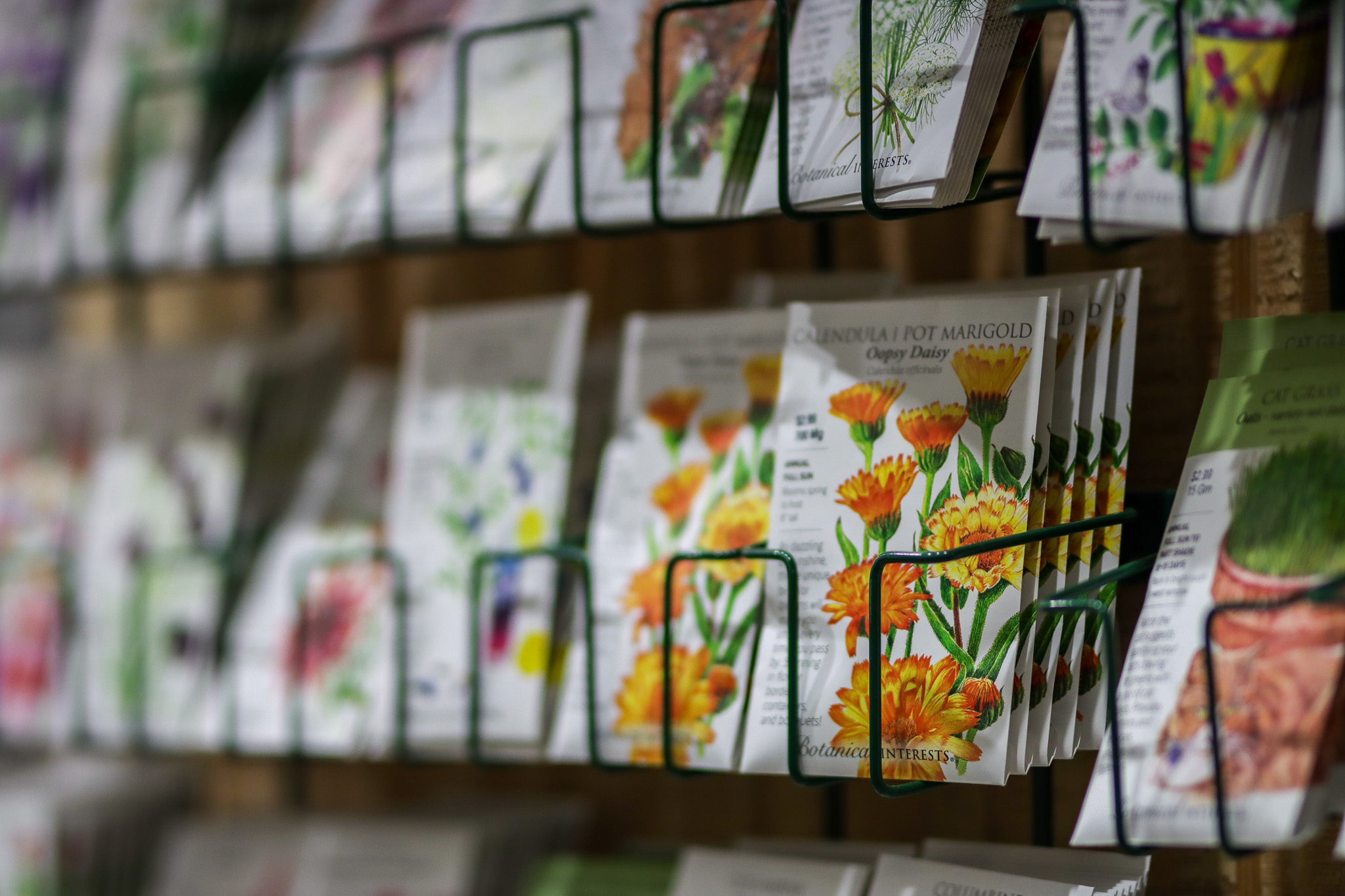
For an extended harvest, sow leafy greens every two to three weeks through early spring. Now is a great time for many of these veggies. If you have any particular questions about seed sowing for early spring, check out this blog or chat with our Green Team in-store.
Spring-Ready Annual Flowers
For immediate color in beds and containers, choose flowers that handle brisk evenings and fluctuating spring weather:
- Pansies
- Violas
- Snapdragons
These varieties often look their best in spring’s moderate temperatures and provide vibrant color while you wait to plant summer annuals.
Hardy Perennials
Early spring is an excellent time to plant perennials in zones 7-8. The season’s moderate conditions allow roots to establish before the demands of summer.
Consider adding:
- Dianthus
- Candytuft
- Foxglove
- Coreopsis
- Shasta daisies
- Hellebores
- Columbine
Planting now gives these perennials time to settle in and perform beautifully throughout the growing season.
Trees and Shrubs
Spring is one of the most favorable times to install trees and shrubs. As soil warms and daylight increases, woody plants focus energy on root development before peak summer temperatures.
Great early-season choices include:
- Japanese maples
- Hydrangeas
- Camellias
- Encore azaleas
- Boxwoods
- Fruit trees
The earlier in spring you plant, the more established your trees and shrubs will be heading into summer.
Prepare Before You Plant
A little preparation goes a long way. Before installing new plants:
- Clear away winter debris
- Refresh mulch to a depth of 2-3 inches (keeping it away from stems and trunks)
- Incorporate compost to improve soil structure
- Edge beds for a crisp finish
- Apply pre-emergent to lawns if needed
- Divide overgrown perennials
Setting the stage properly now supports healthier growth all season long.
Keep an Eye on the Forecast
Spring weather can still bring an occasional late frost. Keep lightweight coverings available to protect tender growth if needed. Containers can be moved closer to structures or into a garage overnight during unexpected dips in temperature.
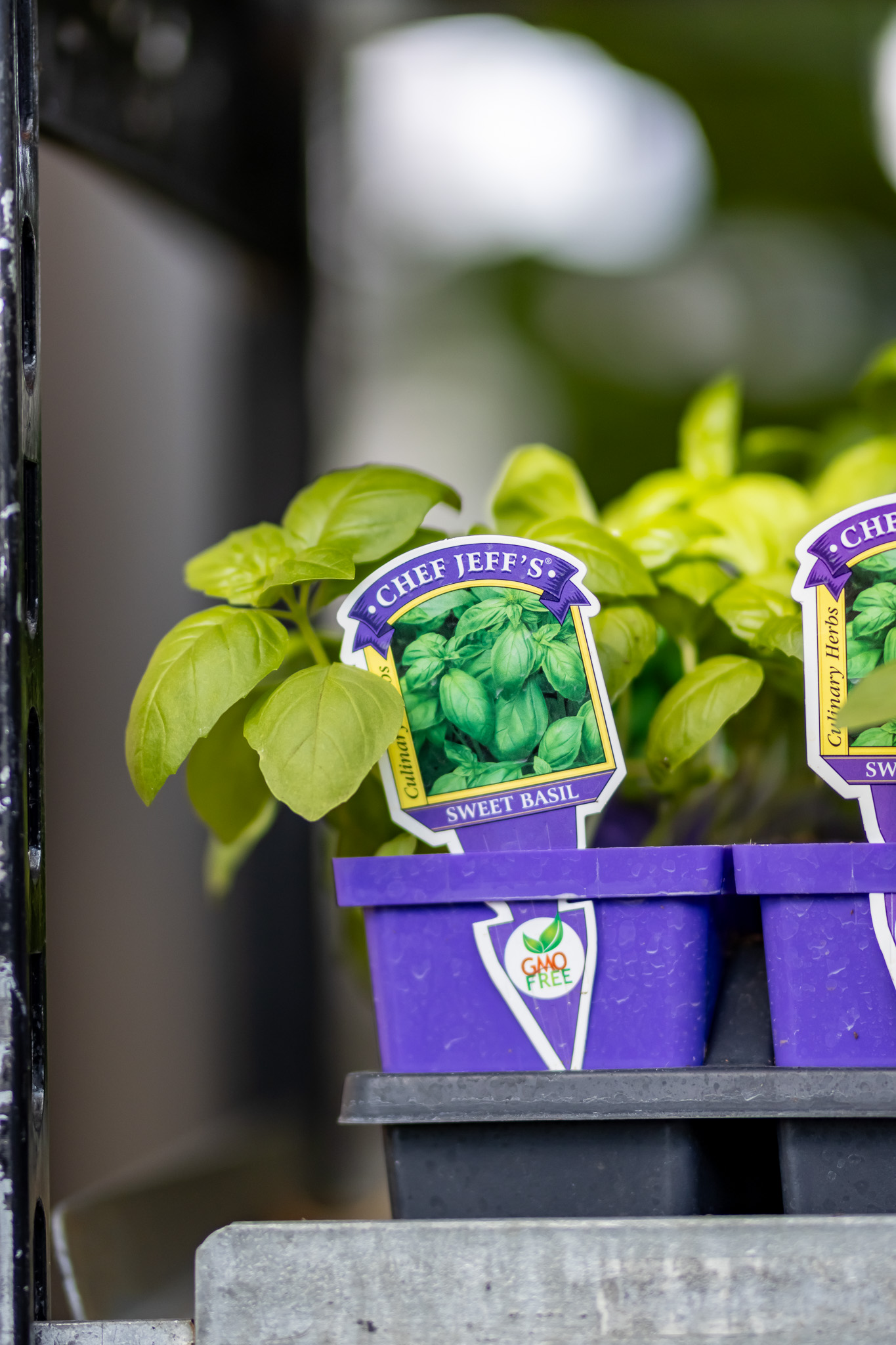
Warm-season vegetables and flowers, such as tomatoes, peppers, basil, petunias, and impatiens, should be planted once nighttime temperatures consistently stay above 50°F.
Start Strong for a Long Growing Season
One of the greatest advantages of gardening in zones 7-8 is the extended growing season. Beginning with plants suited to early spring conditions allows you to enjoy harvests and color sooner while building a strong foundation for summer.
Early spring planting is about working with the rhythm of the season. Choose varieties that thrive now, prepare your soil carefully, and give roots time to establish. The reward is a garden that transitions smoothly from spring into the fullness of the growing season ahead. To stay inspired and grow with us online, follow us on Facebook, Instagram, Pinterest, and TikTok to explore more gardening tips and ideas.