If you want nonstop spring-to-fall color in hanging baskets, containers, and sunny garden beds, few plants deliver quite like Calibrachoa (Million Bells) and Petunias.
These fast-growing annuals are favorites for their bold color, trailing habit, and long blooming season. With the right care, they can provide continuous flowers from spring planting through the heat of summer and into early fall.
This guide covers how to grow Million Bells and Petunias successfully, including sunlight, watering, feeding, and troubleshooting tips for the best results.
What Are Million Bells and Petunias?
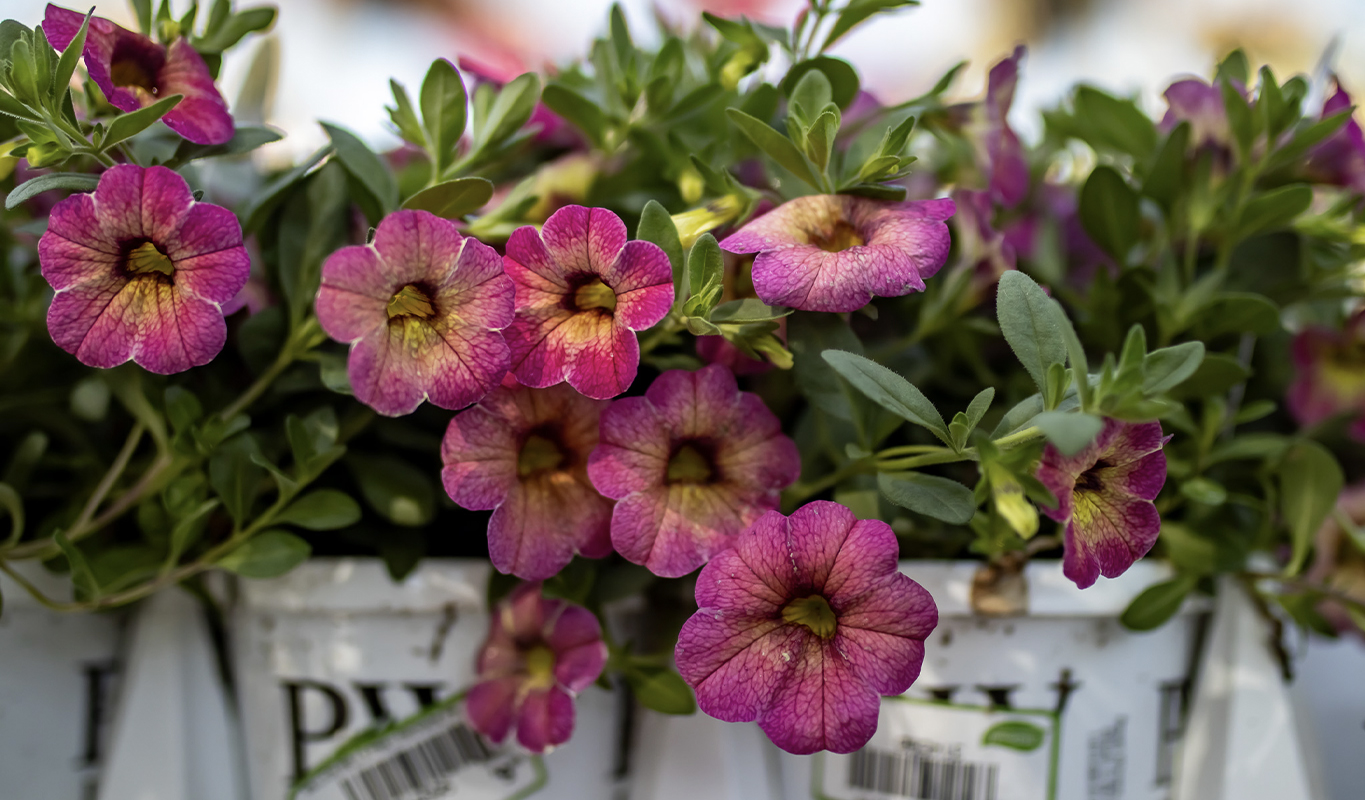
Million Bells (Calibrachoa)
Million Bells are compact, trailing plants covered in small, petunia-like blooms. They are known for:
- Heavy flowering with little maintenance
- Excellent trailing habit for hanging baskets and containers
- Strong performance in heat and sun
Petunias
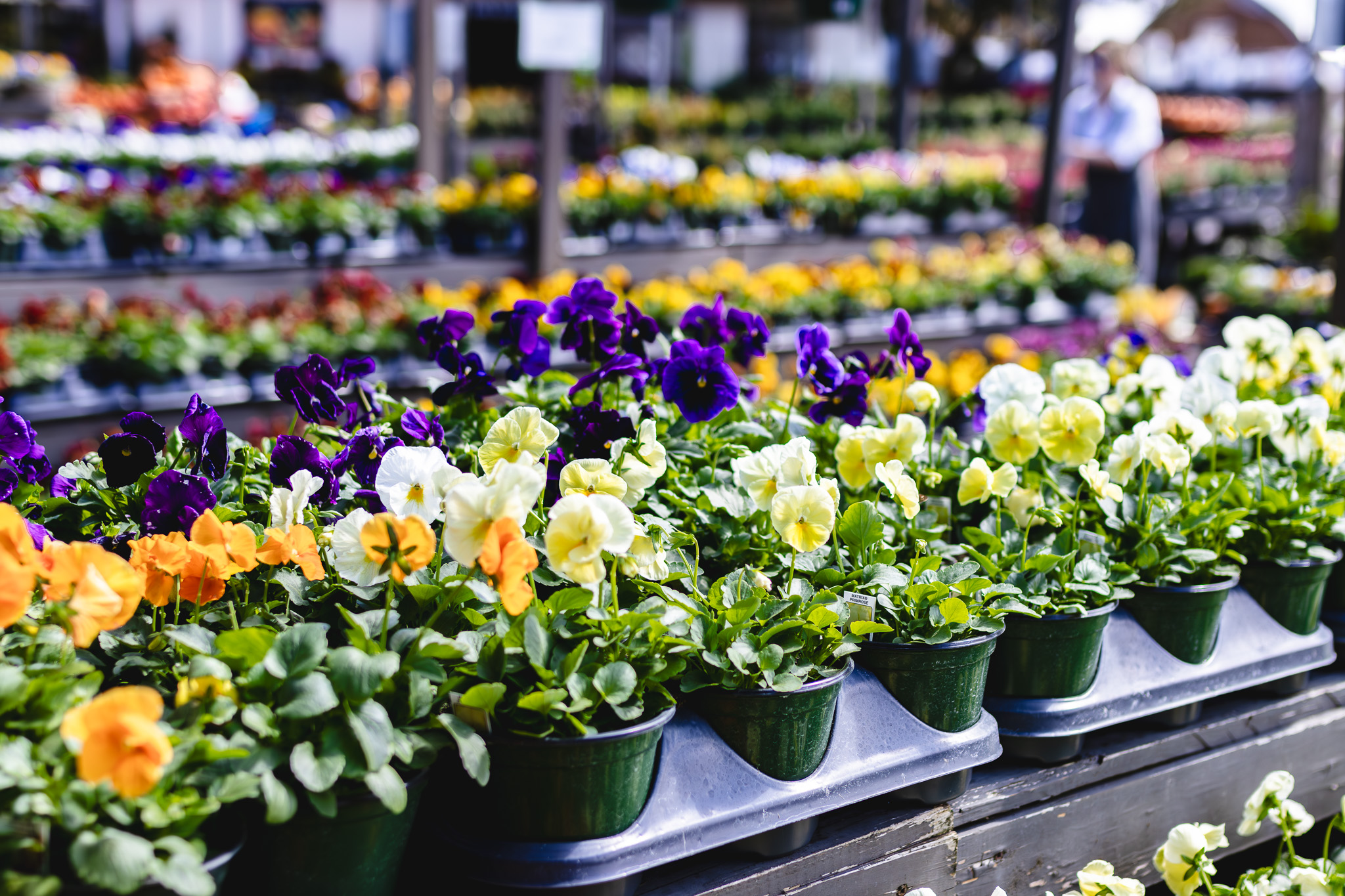
Petunias are one of the most popular annual flowers for a reason. They offer:
- Larger blooms in a wide range of colors
- Upright or spreading growth habits
- Excellent performance in beds, pots, and window boxes
Together, they create a layered, high-impact color display when planted in combinations.
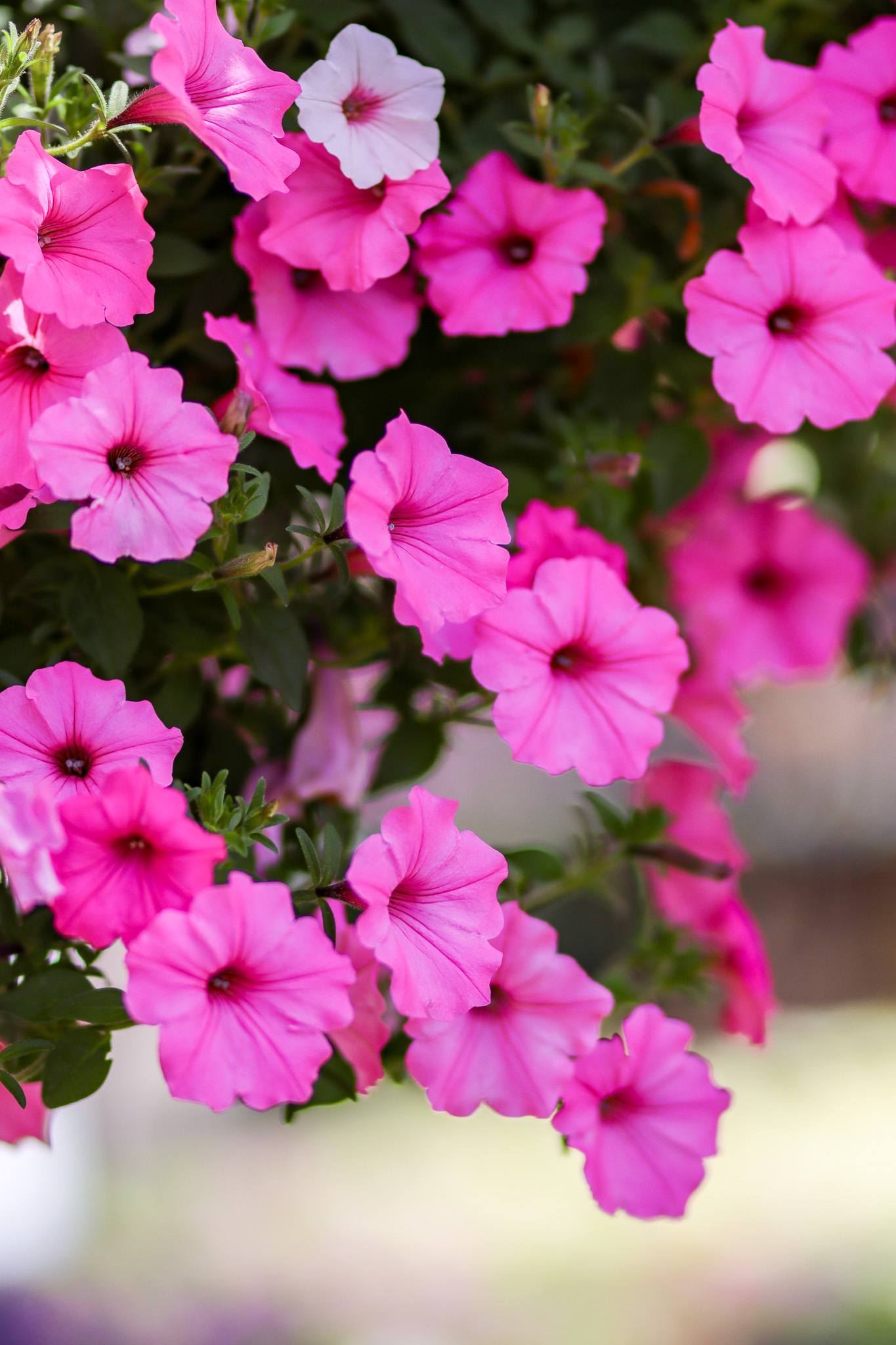
Best Sunlight Conditions for Maximum Blooms
For the best performance, both Million Bells and Petunias need full sun, which is 6+ hours per day. This is essential for getting the most out of your plant, otherwise you’ll experience some negatives when growing in lower light conditions.
What happens in low light:
- Fewer blooms
- Leggy, stretched growth
- Reduced color intensity
If you’re already at the point of – million bells & petunias don’t look like they are going to work in my garden, don’t worry! We carry shady annuals too that can still give your garden a great impact.
Best Soil for Million Bells and Petunias
Proper soil is essential for healthy growth and continuous flowering.
Use a high-quality potting mix that is:
- Light and well-draining
- Rich in organic matter
- Enhanced with perlite or similar drainage materials
Avoid heavy garden soil in containers, which can hold too much moisture and lead to root problems. Try our McDonald Garden Center Potting Mixes or if you’re planting in the ground, you may want to chat with our Green Team for the best information on your garden specs.
How to Water Million Bells & Petunias
Consistent moisture is key, but overwatering is a common mistake.
Watering best practices:
- Water when the top inch of soil feels dry
- Water deeply until excess drains from the container
- Check hanging baskets daily during hot weather
Signs of watering issues:
- Wilting despite wet soil = overwatering
- Drooping and dry soil = underwatering
A great tool to use for watering, especially when you have low pots and high hanging baskets, is a watering wand. We use these at our stores to water pretty much everything!
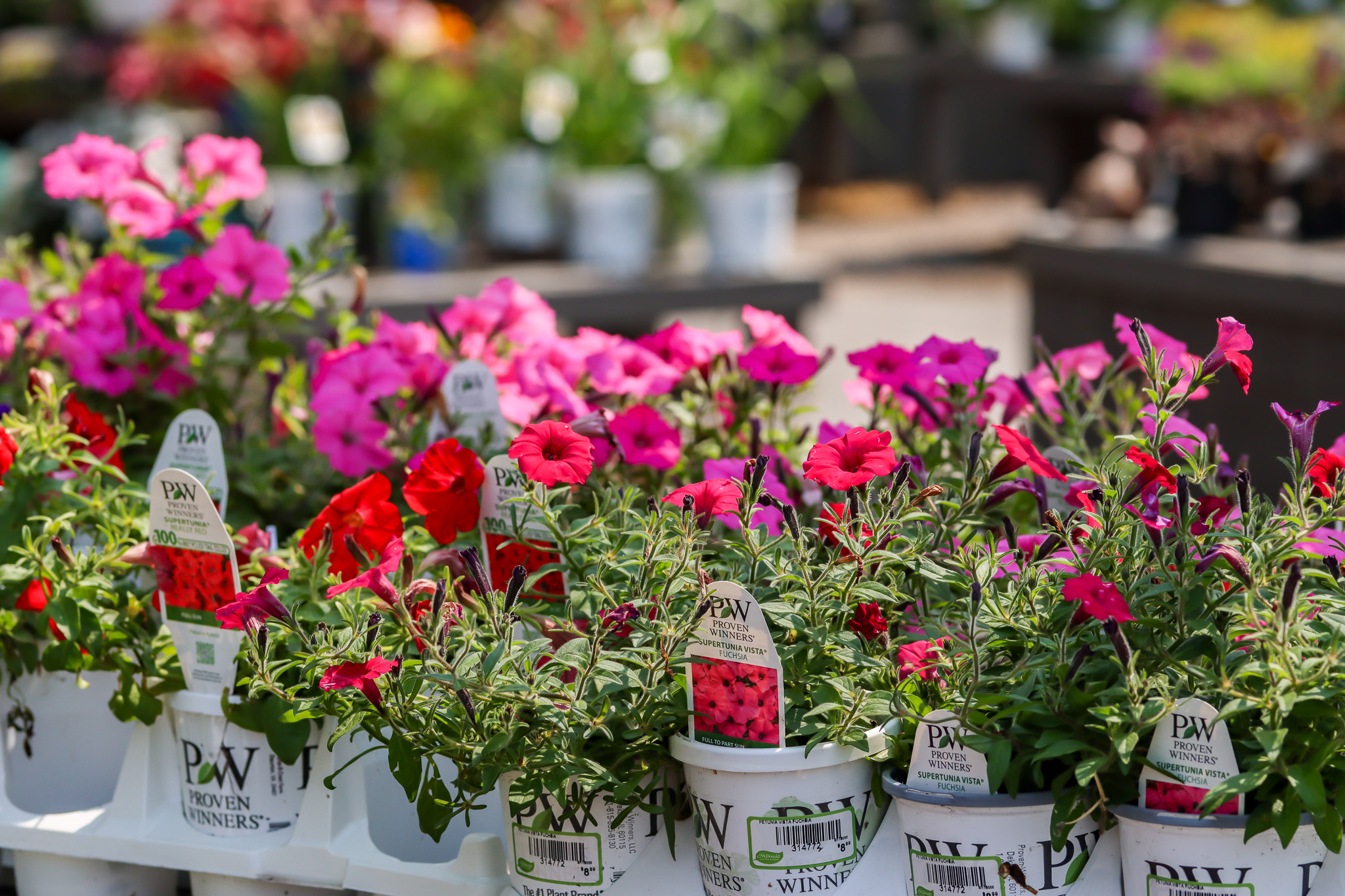
Plant Food Tips for Continuous Blooming
Million Bells and Petunias are heavy feeders. Regular fertilization is one of the most important steps for nonstop flowers.
Recommended feeding routine:
- Apply a balanced, water-soluble fertilizer (link to rooting & blooming) every 1–2 weeks
- Or use a slow-release fertilizer at planting time
- Avoid high-nitrogen fertilizers, which promote leaves over flowers
Consistent feeding = consistent blooms.
Do You Need to Deadhead Million Bells and Petunias?
Most modern varieties are self-cleaning, meaning spent blooms naturally drop off. However, for best appearance, we recommend you lightly trim leggy stems as needed and pinch back growth mid-season to encourage fullness. Also feel free to remove any thin or faded areas in baskets or containers, cutting off unproductive growth is always better for the overall health of the plant.
By mid-summer, plants may slow down or stretch due to heat and growth cycles.
To refresh them:
- Cut back plants by up to one-third if needed
- Fertilize immediately after trimming
- Water consistently to support regrowth
This quick reset encourages a strong second wave of blooms.
Common Problems and the Solutions You Need
Few or No Flowers? Check for:
- Not enough sun
- Lack of fertilizer
- Old, depleted soil
Leggy Growth? Check for:
- Insufficient sunlight
- Needs trimming or pinching
Yellowing Leaves? Check for:
- Overwatering
- Poor drainage
Correcting these issues early keeps plants performing their best.
When grown in full sun with regular feeding and proper watering, Calibrachoa and Petunia deliver some of the most reliable and colorful displays in the spring and summer garden. Regardless if you’re planting hanging baskets, patio pots, or garden beds, these annuals are a go-to choice for nonstop seasonal color.
Visit us in-store to shop our full selection. To stay inspired and grow with us online, follow us on Facebook, Instagram, Pinterest, and TikTok to explore more gardening tips and ideas.