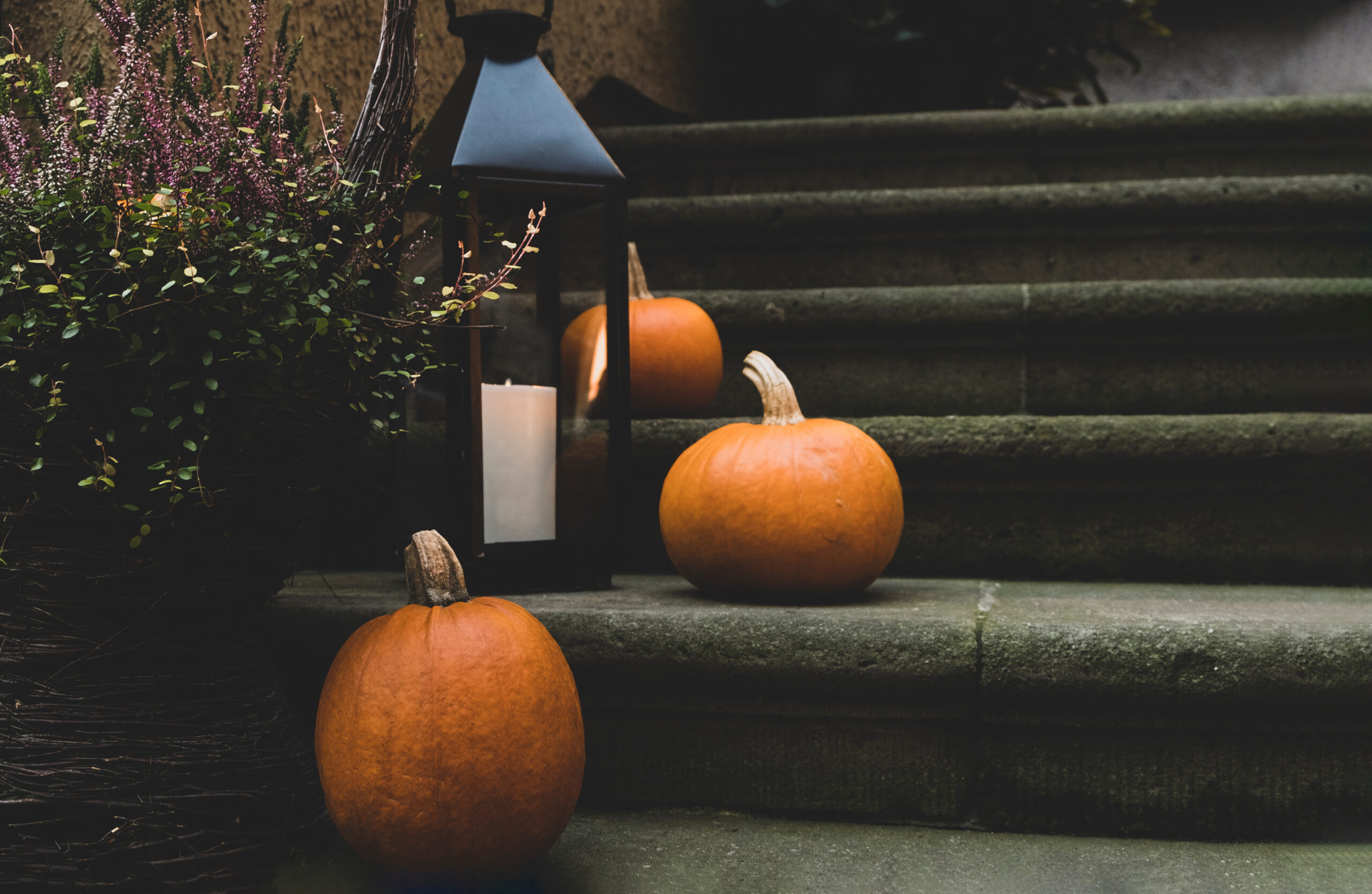
Mums and pumpkins may be stealing the spotlight, but fall is also the time to think ahead to spring! Planting bulbs now gives you something colorful to look forward to after winter, from cheerful daffodils along the walkway to tulips brightening your garden beds.
With cooler weather settling into Hampton Roads, it’s a great time to get your planting plans underway. Before you grab your trowel, here are five things to know.
1. Cooler Weather Is Your Cue
Our fall weather in Hampton Roads has finally arrived, and that seasonal shift means it’s time to turn your attention to spring-flowering bulbs. Cooling soil allows bulbs to begin developing roots before their spring debut.
Gather your bulbs, choose your planting spots, and check the planting recommendations for each variety. If you’re unsure whether your garden is ready, our team can help you decide what to plant now and what may benefit from a little more time.
2. Choose Bulbs for the Display You Want
A beautiful bulb garden starts before you dig the first hole. Think about your favorite colors, where you want flowers, and how the planting will look from your porch, windows, or front walk.
Check the bloom times on the packages. Combining early-, middle-, and late-spring bloomers can give you a longer season of color. You can even do this in containers with the lasagna planting method. For a bold display, plant clusters of the same variety rather than scattering individual bulbs throughout a bed.
Keep local growing conditions in mind, too. Here in Hampton Roads, tulips are often treated as seasonal color and replanted each fall. If returning flowers are your priority, ask our team about daffodils and other options suited to your garden.
3. Sunlight and Drainage Make a Difference
That empty corner of your yard might look like the perfect place for flowers, but take a moment to check its growing conditions. Most spring-flowering bulbs appreciate a sunny spot with well-drained soil. Avoid low areas where water collects after rain, since bulbs can rot in persistently soggy ground.
Remember to think about spring sunlight. A bed beneath a deciduous tree may receive more sun before the tree leafs out than it does in summer. Match your selections to the light available while they’re growing.
4. Planting Depth Isn’t One-Size-Fits-All
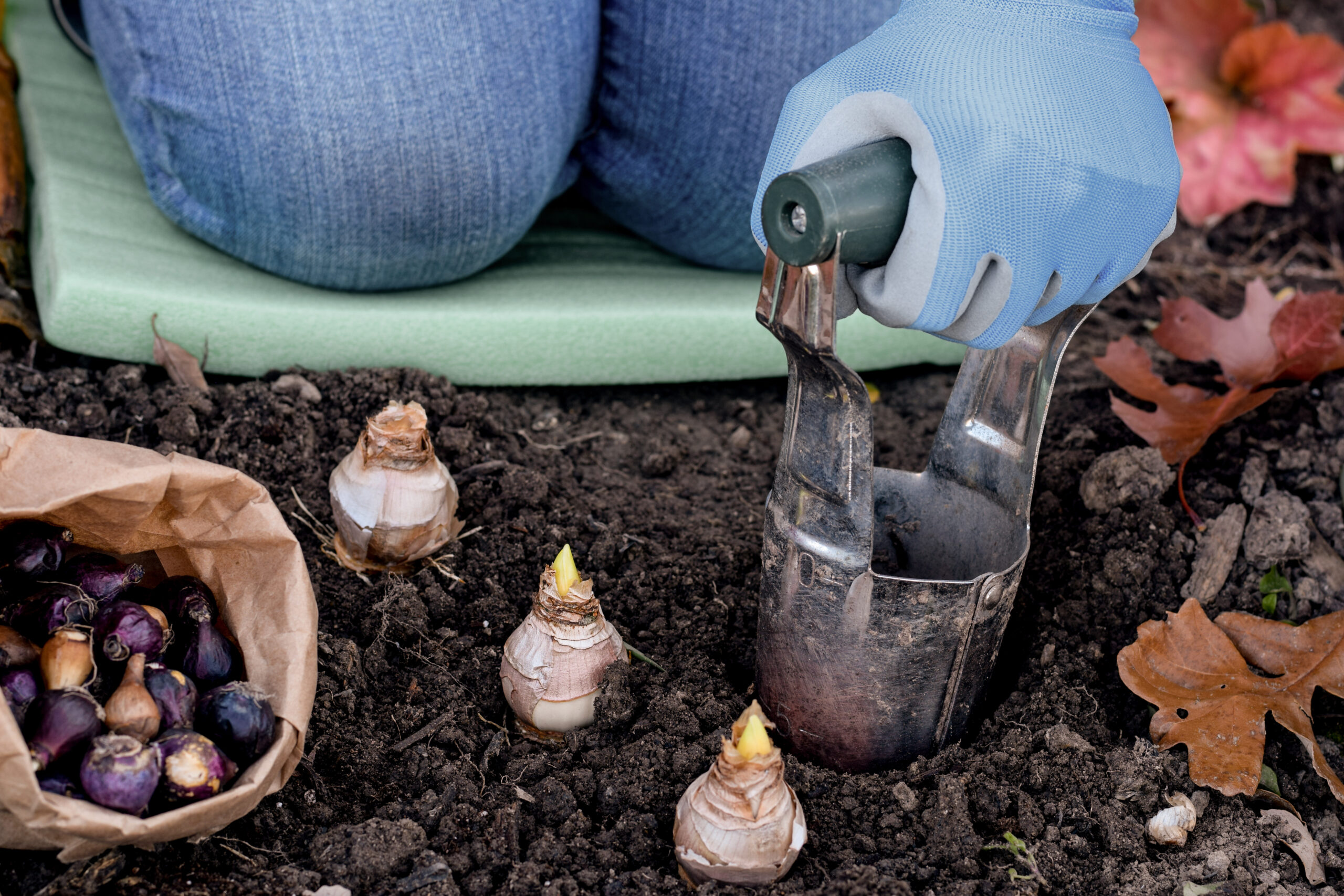
A daffodil bulb and a tiny crocus need different planting holes. Follow the depth and spacing instructions on each package instead of planting everything at the same level. Position bulbs with the pointed end facing up and the root end facing down. Replace the soil gently and water thoroughly to help settle it around the bulbs.
Before moving on, add a marker or snap a photo of the planting area. It’s easy to forget exactly where those bulbs are tucked away once the bed looks empty again!
5. Plan for the Leaves After the Flowers
Next spring, the blooms will eventually fade, but the leaves still have work to do. Green foliage helps bulbs store energy for future growth, so let it yellow and die back naturally before removing it. Keep that stage in mind as you plan this fall. Planting bulbs among perennials that fill out later in spring can help soften the appearance of fading foliage while keeping your beds looking full.