Go Green for a Better Night’s Sleep
Most of us at one time or another have struggled to get to sleep and there’s nothing more frustrating than tossing and turning all night before being awoken by the sound of your alarm clock – only minutes after you finally managed to doze off! These sleepless nights can take their toll on your energy, productivity, mood and overall quality of life. Poor air quality from pollution and odors and molds can impact our breathing, making a good night’s sleep seem impossible. The good news is there are a variety of plants that can filter the air while you sleep – in fact, NASA did a whole study on it!
Plants tend to create a calming, purifying effect and filling your home with beautiful plants can pave the way to a better night’s sleep. So if counting sheep doesn’t solve your lack of sleep troubles, try adding a few of these plants to your space:
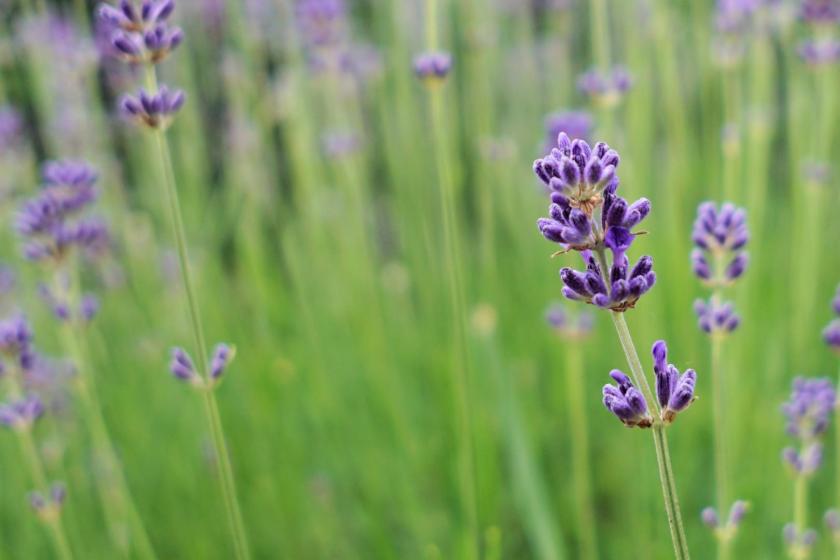
Lavender – produces one of the most popular forms of essential oils and is known for its sleep inducing properties. According to the National Sleep Foundation, the smell of lavender may help slow your heart rate and lower blood pressure, helping you to relax and get to sleep. This low maintenance plant loves bright light, so try placing a pot on a sunny windowsill. In the summer, place it outside on a porch or any place that gets full sun.
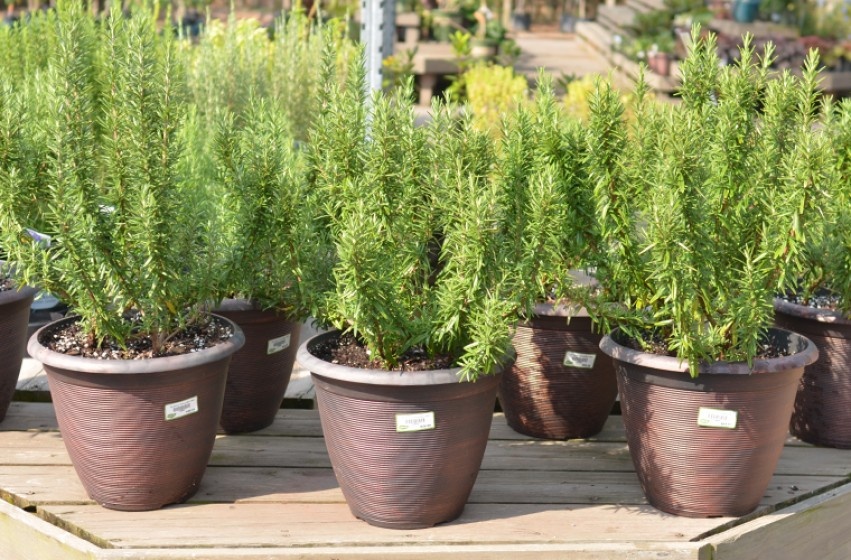
Rosemary – like lavender, rosemary has healing and relaxing qualities. Applied externally, it can ease muscle pain and tension making it easier to sleep at night. Rosemary is another one of those herbs that contains powerful antioxidants that protect against stress and toxins and improves overall air quality. Rosemary prefers a sunny window. Excess water will damage the roots and cause the plant to die, so let the soil dry, then water thoroughly. Move outdoors in the spring to refresh.
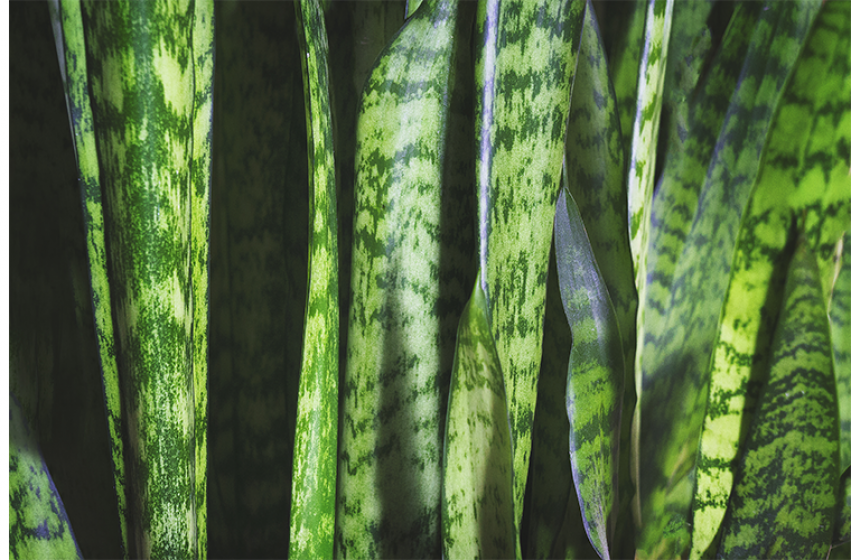
Snake Plant (Mother-in-Law’s Tongue) – we all need oxygen in order to survive but getting increased levels at night leads to a better night’s sleep. Most plants release oxygen during the day and rest at night, but the snake plant releases oxygen all the time — even when you sleep. This plant has also been proven to be effective in treating headaches, eye irritation and respiratory problems. Snake plants can live in just about any type of light, just be sure to water it once every few weeks.
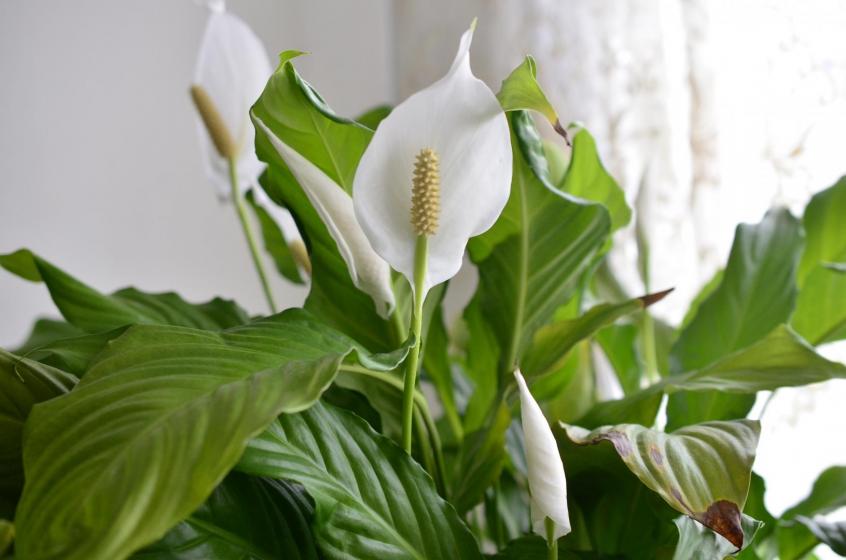
Peace Lily – this everyday houseplant is a natural air purifier and removes harmful chemicals like formaldehyde, airborne mold and other types of allergens and releases purified oxygen into the air. And, keeping your air clean provides for a better night’s sleep. The peace lily also helps add humidity back to rooms that are too dry, typically around 5 to 10%. This is good news for those who suffer from dry skin or a dry mouth. Peace Lilies don’t require a significant amount of sun, which works well in rooms with little direct sunlight. Water it once a week, but if you keep the plant near a window or keep the heat on in the winter, consider watering it twice a week.
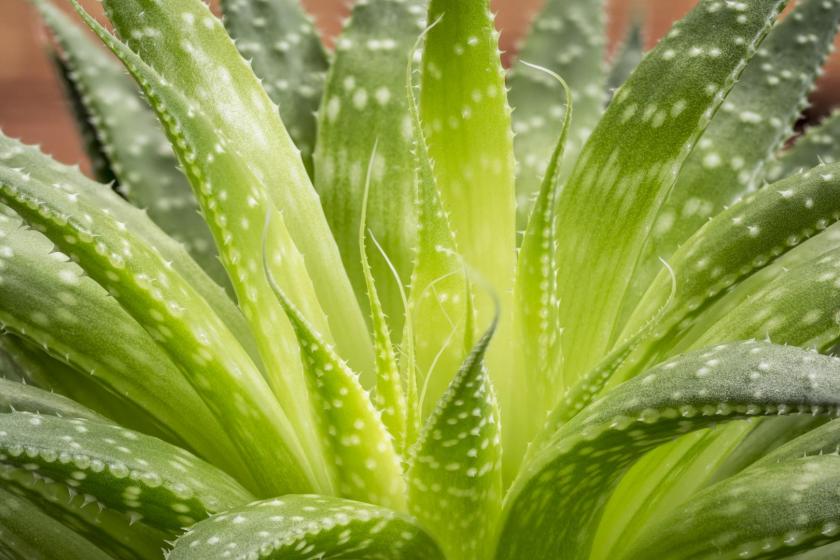
Aloe Vera – listed as one of NASA’s top air-improving plants, aloe vera works much like the snake plant by emitting oxygen at night. Increased oxygen supply is believed to help with insomnia and improve overall quality of sleep. Aloe is a superb indoor plant and is easy to care for. Keep it on a bedroom window, as it requires direct sunlight. Unlike other houseplants, the aloe keeps water in its leaves, not the soil until it needs it so, be sure not to over water.