PLANT OF THE WEEK:
JUBILEE BLUEBERRIES
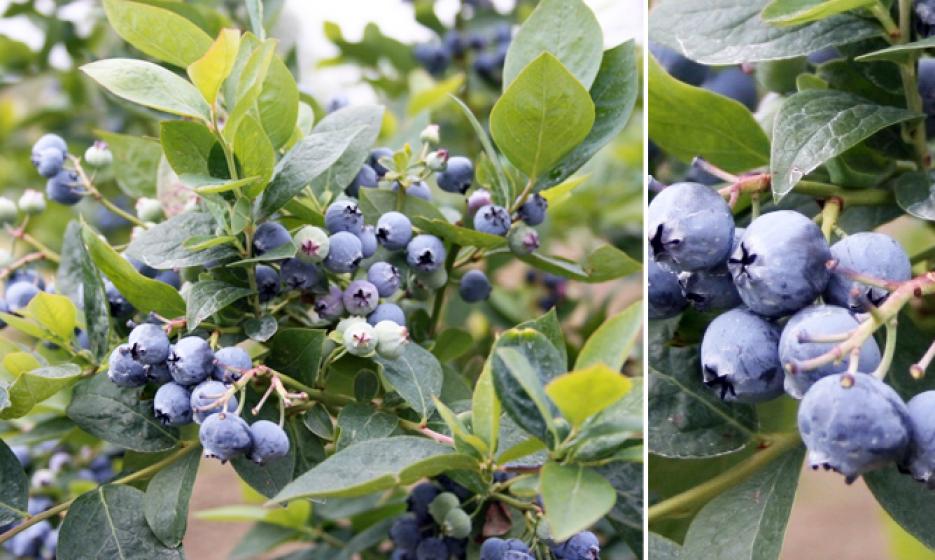
Looking for a new plant to add to your garden this year? Look no further than this juicy new blueberry variety that is not only beautiful to look at, it tastes even better! This southern high bush performs well through summer heat, and is resilient to winter cold spells. Medium to large, sky-blue, very sweet fruit ripens over a two to three week period. With four seasons of leaf interest, the blue-green foliage will offer bright yellow-orange fall color. It is an upright, compact grower, reaching about 4 to 5 feet. We love mixing blueberries into the landscape for a sweet treat for the eye and the palate.
The ever popular blueberry is considered an antioxidant super food, best enjoyed fresh from the garden. Blueberries are not only rich in antioxidants, but are low in calories and sodium, they contain no cholesterol, and are a great source of fiber. Not only are the health benefits associated with the blueberry fantastic but they are delicious and can create quite a statement in the garden. The striking ornamental beauty of the blueberry offers four seasons of interest. From, the white bell shaped blooms to dark green shrub foliage to the fruit, this little berry packs a punch all year round.
Blueberries are easy to grow, require little care, and are seldom bothered by pests. Follow these simple steps to enjoy this sweet treat during the summer months!
- Select a sunny location in well drained soil for planting.
- Plant blueberry shrubs as close as 2-1/2 feet apart to form solid hedgerows or spaced up to 6 feet apart to grow as individual specimens.
- Mulch over the roots 2-4′ to conserve moisture, prevent weeds and add organic matter.
- Blueberries are sensitive to water fluctuations due to their shallow roots and required approximately one inch of water a week. In drought conditions, it may require more water.
- Enjoy the fruits of your labor either alone or in muffins or even frozen.
photo courtesy of Monrovia