Select Hydrangeas On Sale Now!

5 Things You Didn’t Know About Bromeliads

Bromeliads are more than just pretty decorations; they are fascinating organisms with a plethora of secrets waiting to be uncovered.

5 Things You Didn’t Know About Bromeliads
cmelvin

Bromeliads are more than just pretty decorations; they are fascinating organisms with a plethora of secrets waiting to be uncovered. Whether you’re a seasoned gardener or a budding enthusiast, join us in this blog as we explore five intriguing facts about bromeliads that might just leave you in awe.

Bromeliad 1
Bromeliad 2
Bromeliad 3
Bromeliad 4
Bromeliad 5

5. Epiphytic Wonders:

Did you know that many bromeliads are epiphytes? That’s right – they have a unique ability to grow attached to other plants, utilizing them solely for support rather than nourishment. This remarkable adaptation allows bromeliads to thrive in diverse environments, from lush rainforests to arid deserts. You can also mount bromeliads in your own home on wood planks  to get a similar look to epiphytic styles in the wild. 

4. Water-Holding Tanks: 

Bromeliads have a clever trick up their sleeves when it comes to collecting water. Their leaves form a rosette-shaped structure that creates a central reservoir, known as a “tank,” capable of storing water. This ingenious design not only provides a convenient water source for the plant but also serves as a miniature ecosystem, hosting a myriad of creatures ranging from insects to tadpoles in the wild. As houseplants, bromeliads usually get all they need, so these reservoirs are not required to be filled to keep the plant happy. Just water your bromeliad thoroughly and wait until the top inch or two of soil is dry before re-watering. 

3. Symbiotic Relationships:

Bromeliads are known for forming unique symbiotic relationships with a variety of organisms in their natural habitats. One fascinating example is their partnership with certain species of frogs, particularly in tropical rainforests. These bromeliads provide a safe haven for frog eggs and tadpoles within their water-filled leaf bases, offering protection from predators and harsh environmental conditions. In return, the frogs benefit the bromeliads by consuming insect pests that might otherwise damage the plant. 

2. Vibrant Variety: 

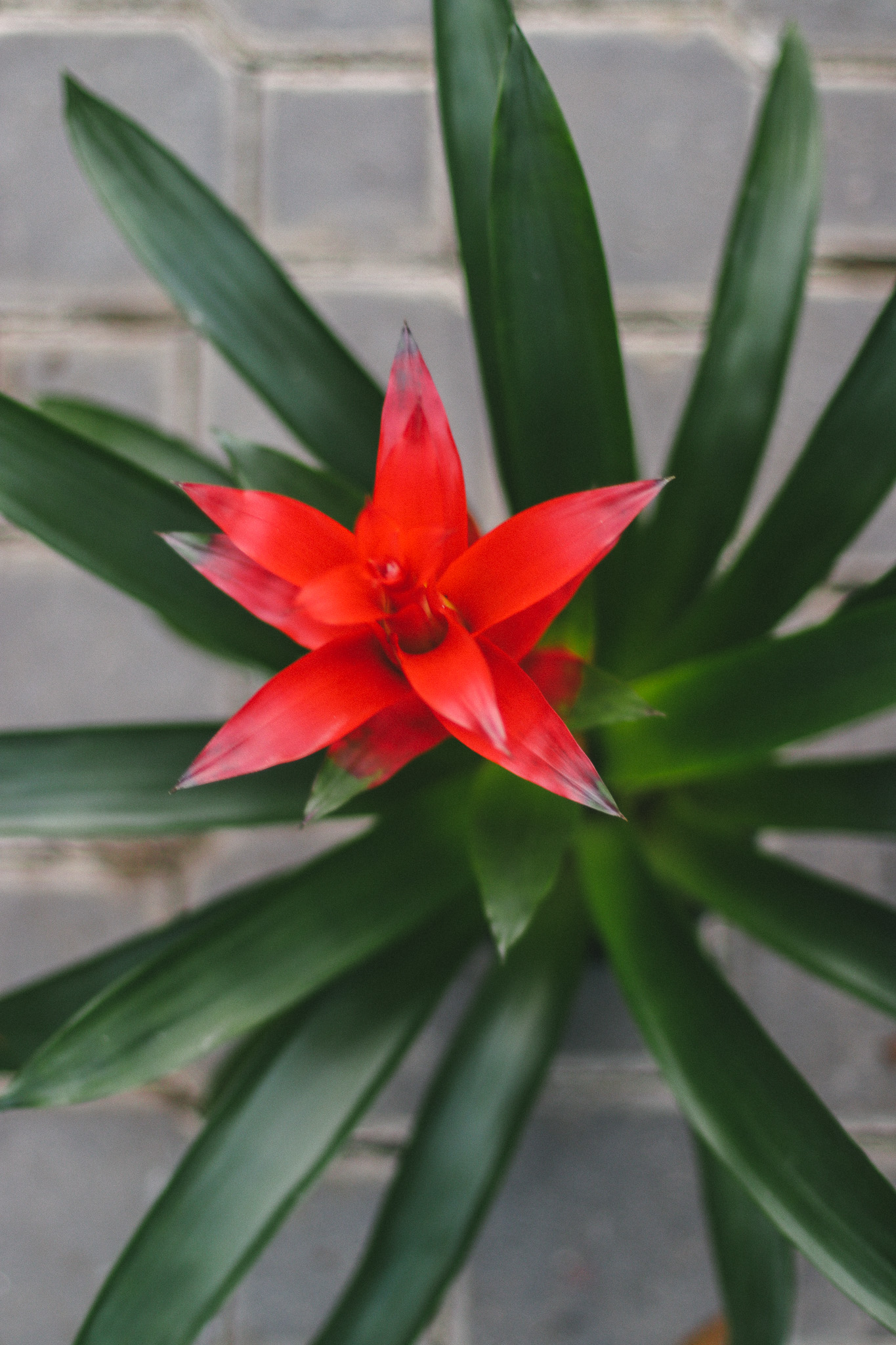
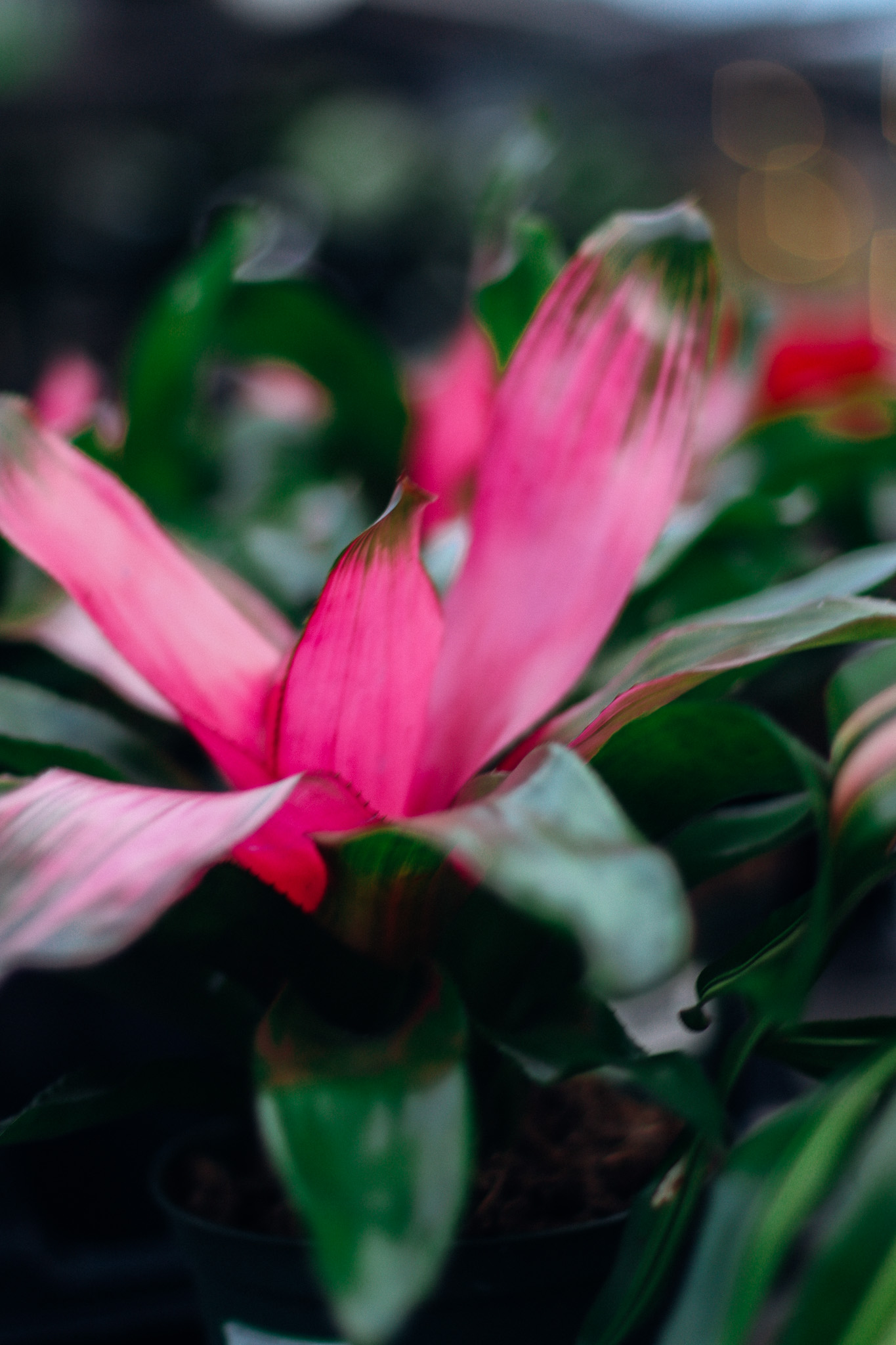
Did you know that bromeliads come in a dazzling array of shapes, sizes, and colors? From the striking foliage of the Neoregelia to the vibrant blooms of the Guzmania, there’s a bromeliad to suit every taste and preference. Whether you prefer bold and colorful or subtle and understated, you’re sure to find a bromeliad that adds a pop of personality to your indoor or outdoor space. With so much diversity to choose from, it’s no wonder that bromeliads are a favorite among plant enthusiasts worldwide.

1. Survival Specialists:

Bromeliads are masters of adaptation, capable of thriving in some of the harshest environments on Earth. From the sweltering heat of the tropics to the frigid temperatures of high-altitude mountains, these resilient plants have evolved a myriad of strategies to ensure their survival. Some bromeliads have developed thick, waxy leaves to conserve moisture, while others have specialized root systems that anchor them to rocky cliffs and shear surfaces. This extends to the bromeliads you keep as houseplants! They are generally very easy to care for and don’t require a lot of attention to thrive.


The next time you encounter a bromeliad at our garden centers, take a moment to appreciate the intricate beauty and hidden secrets that lie within this extraordinary plant. To keep inspired and grow with us, follow us on FacebookInstagramPinterest, and TikTok to dig into the joys of gardening!

Recent Blog
5 Secrets to Bigger, Better Tomatoes This Season
From Canvas to Container: Finding Garden Inspiration in Art
A Snackable Garden: Edible Plants You Can Actually Get Excited About

Related Articles

5 Secrets to Bigger, Better Tomatoes This Season

A great tomato harvest starts long before the first fruit ripens. From choosing the right variety to understanding how your plants grow, a few tomato-specific techniques can make all the...

From Canvas to Container: Finding Garden Inspiration in Art

What do great gardens and great works of art have in common? Both tell a story through color, texture, balance, and emotion. Just like an artist uses a canvas to...

A Snackable Garden: Edible Plants You Can Actually Get Excited About

If you’ve been thinking about growing your own food, now is the time to get into edible gardening. Here in USDA Zones 7-8, May is one of the best planting...

Explore McDonald Garden Center