Freshen the Air, the Natural Way
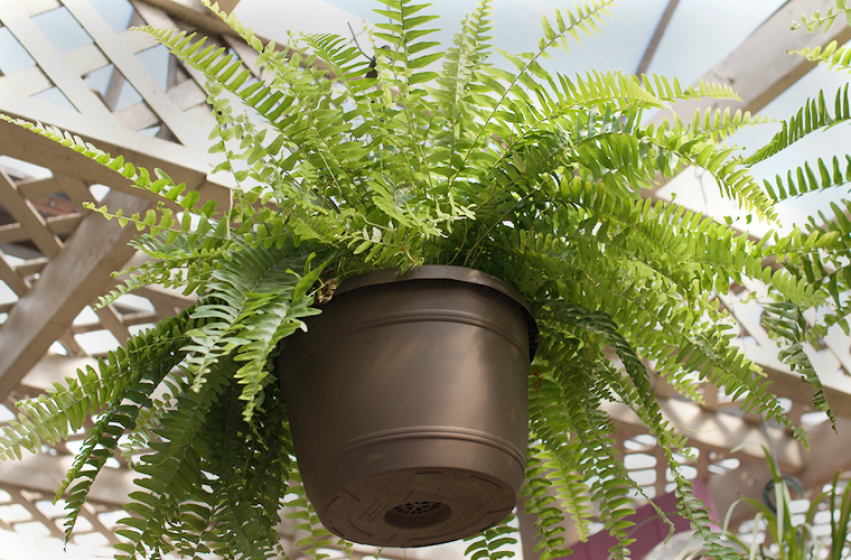
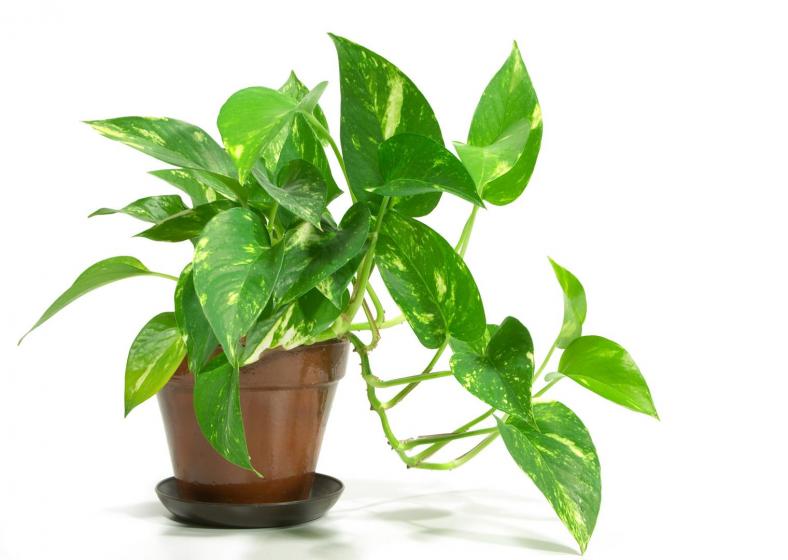
Of course, that potted Boston fern is beautiful, but can it really improve the air quality in your home or office? Well, according to studies by scientists at NASA, Pennsylvania State University, the University of Georgia and other institutions, houseplants are effective, natural purifiers.
Scientists studying the air-purification abilities of indoor plants have found that plants can absorb gases such as carbon dioxide, benzene (found in some plastics, fabrics, pesticides and cigarette smoke) and formaldehyde (found in some cosmetics, dish detergent, fabric softener and carpet cleaner), all of which are every day, indoor VOCs (Volatile Organic Compounds) that plants help to remove.
So, how do indoor plants eliminate pollutants from the air? Plants absorb these gases via their leaves and roots, and microorganisms that live in the soil of potted plants also play a vital role in counteracting VOCs and other pollutants. It’s this ability that facilitates photosynthesis, the process by which plants convert light energy and carbon dioxide into chemical energy to fuel growth. These VOCs and other indoor air pollutants (such as ozone) have been linked to many acute conditions, including asthma and nausea, as well as other chronic diseases like cancer and respiratory illnesses.
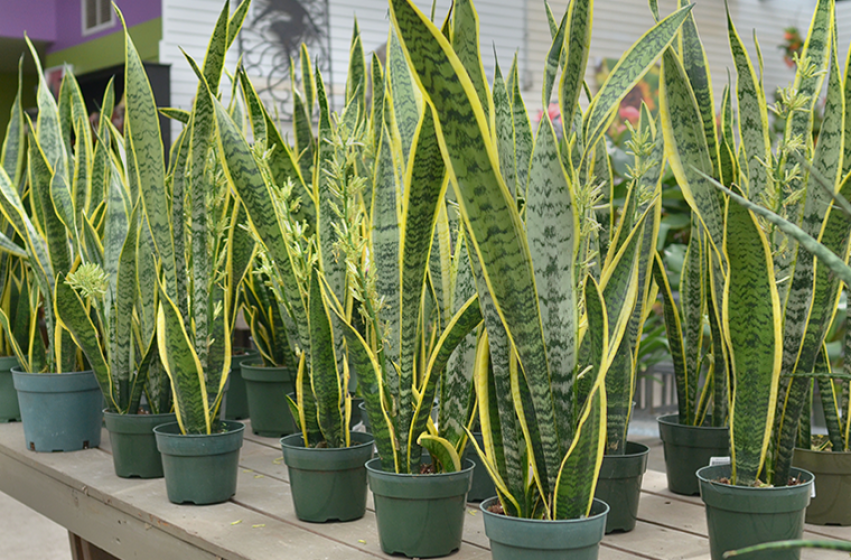
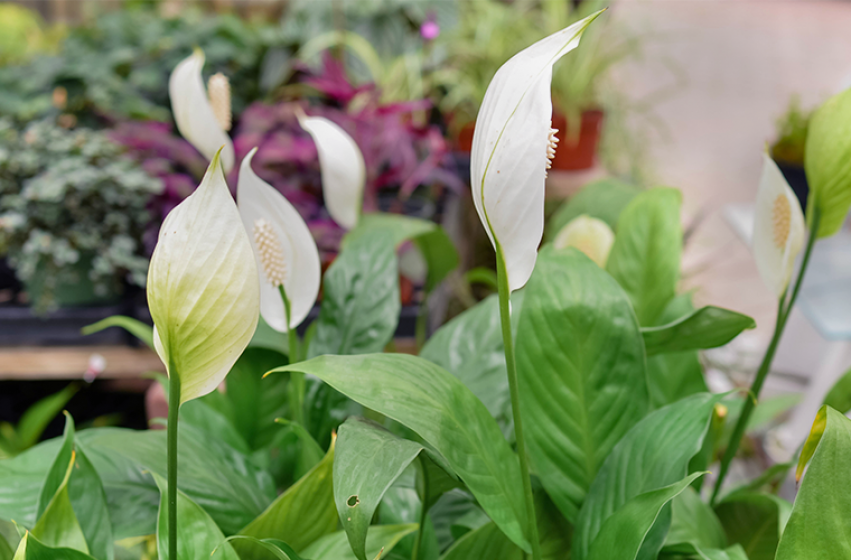
Although most houseplants can be an effective way of removing indoor air toxins and contaminants, some plants are better at it than others. Researchers have found plants most useful in removing VOCs include spider plants, Boston ferns, English ivy, areca palms, golden pothos, aloe vera, snake plants, and peace lilies.