Repotting Houseplants with Mike Westphal, the Garden Guru
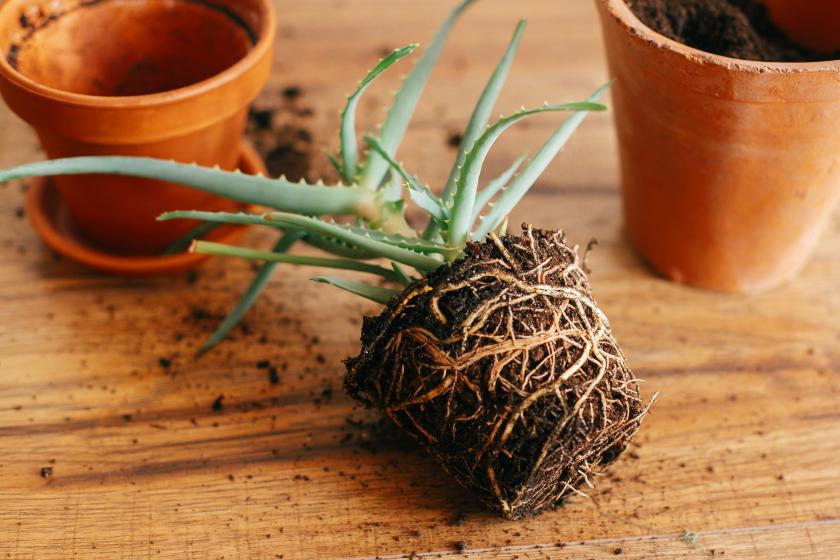
Houseplants need occasional repotting for a variety of reasons that result in a healthier plant. The repotting process allows you to give the plant a more suitable growing environment with additional space and soil with appropriate nutrients. There are a few reasons why you may want to repot a houseplant; one, you may want to upgrade to a nicer pot, and two, the plant may be root bound. When a plant is root bound, the roots consume a majority of the pot and their root systems may not be able to derive the water and nutrients needed to support growth. Root bound plants can become restricted and the older leaves may lose their color and drop.
STEPS TO REPOTTING:
- Select your new container – choose a clean, new pot that is no more than two-inches in diameter larger than your plant’s old home. Too much space can slow growth and may lead to root rot.
- Choose a good, all-purpose potting soil – a good potting soil helps the plant to retain moisture, provide enough air for growing roots to be able to breath and not rot, and supports your plant by providing anchorage for the roots. Our McDonald Potting Soil is an all-purpose soil specifically formulated for Hampton Roads and is available in both traditional and organic formulas.
- Fill the pot with potting soil – fill the bottom of the new pot with one-to-two inches of potting soil and smooth out.
- Carefully remove the plant from the old pot.
- Gently loosen-up the plant’s root ball.
- Place the plant into the new pot and fill in around the plant with potting soil.
TIP: lightly packing the soil around the plant will help to prevent air pockets and will also help to establish a good root to soil connection.
- Fertilize & Water – feeding is essential to keeping healthy plants. Unlike an outdoor plant, where nature provides rain and plants can send new roots searching for food, the nutrients available to a houseplant are limited by the amount of soil in the pot and whatever else you give it as a supplement. We recommend using approximately 2 tablespoons of McDonald Greenleaf fertilizer (organic or traditional formulas).
TIP: If your container doesn’t have a drain hole, place your plant in an inexpensive, plastic pot with a drain hole. Simply insert the plastic pot into your new container. The new container will act as the saucer and catch water.
After repotting, your plant should be happy and healthy for the next one-to-two years, as long as you give it the light required and continue to feed and water according to its specific needs.