A Drought-Tolerant Yard
Enjoy the beauty of a drought-tolerant yard and gardens.
by Kathy Van Mullekom, a lifelong gardener and gardening writer living in York County, Virginia
When husband Ken and I lived in the Kiln Creek area of Newport News, we had a fescue lawn that an underground irrigation system kept lush and green.
Ken loved that watering system. Many evenings, he and neighborhood men stood in the street, admiring each other’s lawn and comparing notes on who had the greenest lawn. I used to chuckle at their manly competition.
I, however, was not a fan of the irrigation system. We had a small lot, which meant shrubs and perennials got too much moisture while the lawn thrived.
All that watering also made our water bill grow.
When we moved back to the Seaford area of York County, I was determined to have a pretty yard and gardens without an irrigation system. Our first Seaford yard was mostly native pine woods planted with bulbs, Japanese maples, ferns and camellias. I planted each fall so any new plants could develop good root growth over winter. I dragged hoses to give them supplemental water their first summer, but after that they were on their own and they did fine. Our small lawn was fescue, which we annually reseeded and fertilized in fall; planting fescue in the spring is not the best idea because root growth is minimal before hot, dry weather sets in.
Our current lawn is Tifway Bermuda sod installed when we built the house nine years ago. During summer, it looks and feels like thick carpet with few, if any, weeds. It loves summer’s hot, dry days; it may brown here and there during prolonged periods of no rainfall but a summer shower perks it up again.
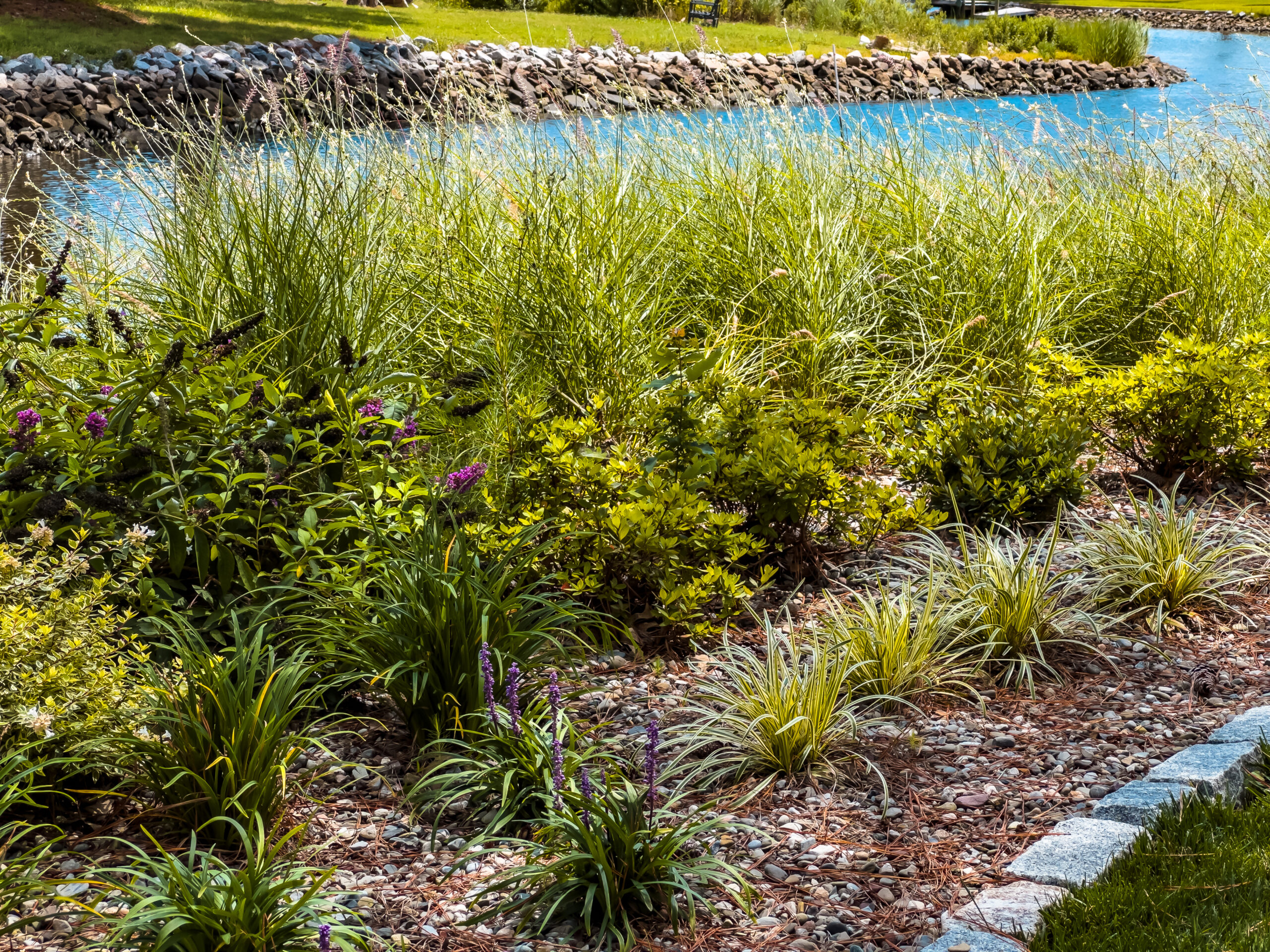
Our beds are big, bold and beautiful, planted with species that seldom need extra water — ornamental grasses (Morning Light miscanthus is my favorite), nandinas, rose-of-sharon, milkweed, bee balm, cup plant, mountain mint, joe-pye weed, wax myrtle, eastern red cedar, vitex, bald cypress, crape myrtles, Virginia sweepspire, beauty berry and sweet bay magnolia.
A small wooded area contains camellias and hydrangeas. I heap compost around the base of hydrangeas to help keep them hydrated and upright (not droopy from heat) during 90-degree days.
Now that California is experiencing a historical drought, I’m glad I’ve learned to garden with minimum watering because conservation is smart living anywhere and everywhere.