Backyard Berries ~ So Berry Delicious!
Homegrown berries can be yours for the tasting, and growing them is easier than you think. When it comes to growing berries, strawberries are most likely the first fruit that comes to mind. While these scrumptious fruits are a popular addition to any edible landscape, there are other berry-producing plants that not only yield an abundance of fruit, but are visually pleasing in the landscape and work well in containers.
Berry selections available today offer gardeners a multitude of colors and flavors. Most need full sun and, with the exception of blueberries, need neutral soil. Nearly all small fruit plants and vines will grow successfully with moderate care – an application of fertilizer or compost, mulch for weed control, and regular pruning to aid in disease prevention and encourage large fruit.
With proper care, these sweet treasures will reward you for years to come. Shoot for a mix of different types and varieties that ripen at different times to extend the harvest season. Be sure to visit us during Berry Daze, May 24 – 26, at all McDonald Garden Center locations and enjoy juicy savings on all backyard berries!
Raspberries – plant late fall or early spring. Raspberries like full sun, however, they will tolerate some shade. Plant in acidic, composted soil and keep soil moist especially during the fruiting season. Raspberries spread through shallow runners so be sure to provide them with plenty of room to grow. Growth can be controlled by planting in raised beds, containers or by routinely digging them out. Prune plants after fruiting, cutting canes that produced fruit to the ground. Fertilize using a high quality fruit fertilizer.
Strawberries – plant in early in spring. Plant roots shallowly in soil rich in organic matter. Water deeply but allow plants to dry slightly between watering. Mulch lightly during spring, summer and fall to help keep soil cool and to help control weeds. Mulch heavily during the cooler months to avoid damage to crowns. Fertilize with a high quality fruit fertilizer, but avoid fertilizing late in the season as this can encourage new growth that can be damaged by early frosts.
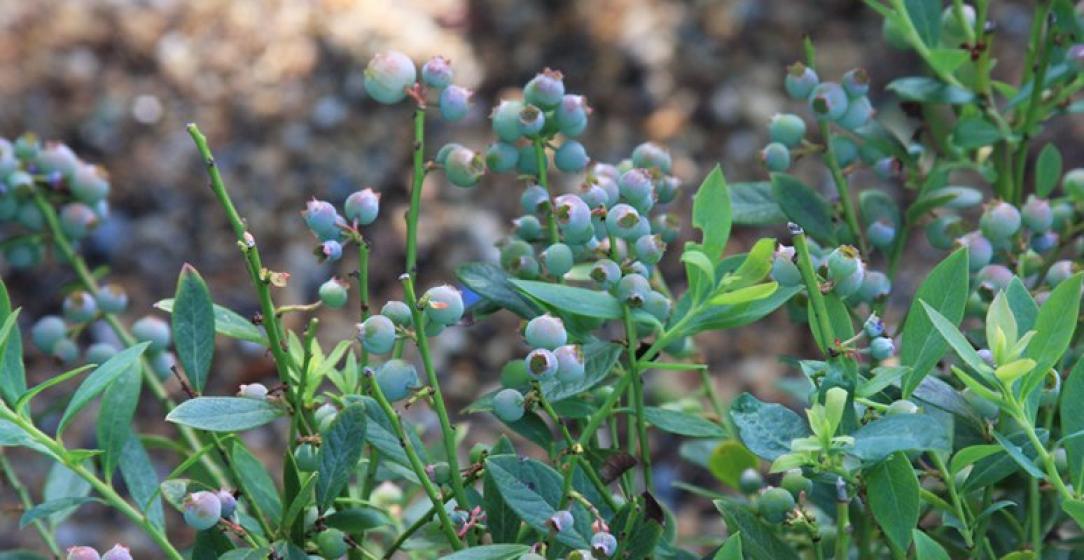
Blueberries – plant in late winter or spring. Blueberries like an acidic, richly composted soil and prefer a full sun to part shade location. Blueberries have shallow root systems so fluctuations in water should be avoided. A 3 to 4-inch layer of mulch will help keep soil moist. Water regularly to maintain plant health and avoid leaf and flower drop. Prune lightly during the first 2-3 years to maintain shape. Mature blueberries should have older canes removed to encourage new growth. Fertilize using a high quality fruit fertilizer.