Butterfly gardens are often filled with colorful flowers that provide nectar for adult butterflies, but if you want to support the entire butterfly life cycle, host plants are just as important. Host plants are where butterflies lay their eggs and where caterpillars feed and grow before transforming into butterflies.
Adding a few host plants to your landscape can help create a thriving habitat for some of Virginia’s most beloved butterflies. Here are five butterfly host plants every Virginia gardener should know.
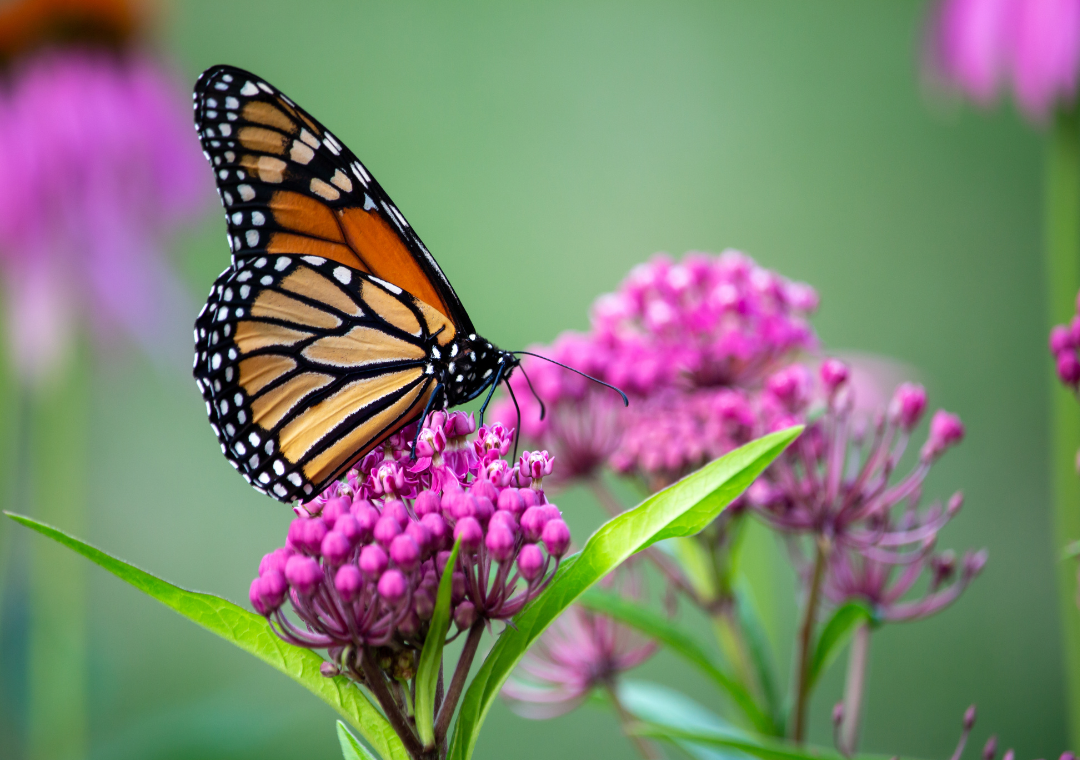
1. Milkweed
When people think of butterfly host plants, milkweed is usually the first to come to mind. It is the essential host plant for Monarch butterflies, whose caterpillars feed exclusively on milkweed foliage.
Popular varieties for Virginia gardens include swamp milkweed, butterfly weed, and common milkweed. Each offers clusters of nectar-rich blooms that attract pollinators while supporting Monarch populations.
Supports: Monarch Butterfly
2. Parsley, Dill, and Fennel
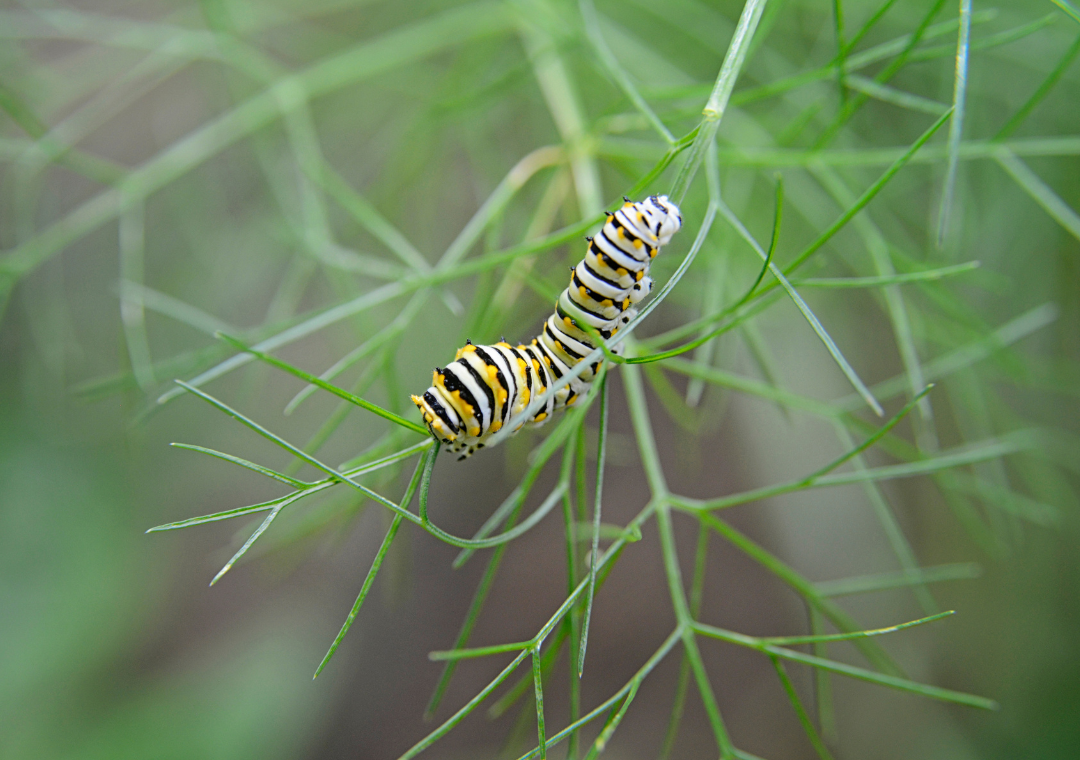
These culinary herbs do double duty in the garden. While they add fresh flavor to your kitchen, they also serve as host plants for swallowtail butterflies. If you notice a green caterpillar with black stripes and yellow spots on your herbs, it is likely a future Black Swallowtail.
Plant a little extra so there is enough for both harvest and wildlife.
Supports: Swallowtail Butterflies
3. Passionflower Vine (Passiflora incarnata)
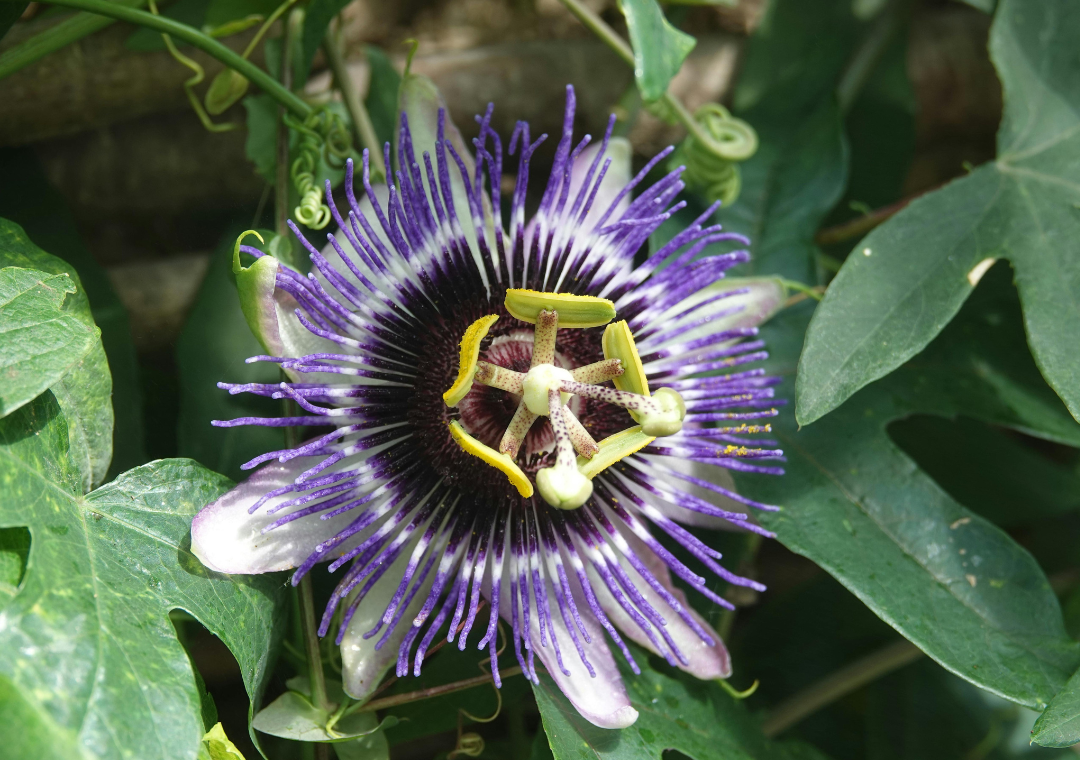
Also known as maypop, this vine produces intricate purple blooms and serves as a host plant for Gulf Fritillary butterflies. The fast-growing vine can quickly cover trellises, fences, and arbors while providing food for developing caterpillars.
Its exotic-looking flowers make it a standout addition to any pollinator garden, and the blooms attract a variety of beneficial insects throughout the growing season.
Supports: Gulf Fritillary Butterfly
4. Hollyhock (Alcea rosea)
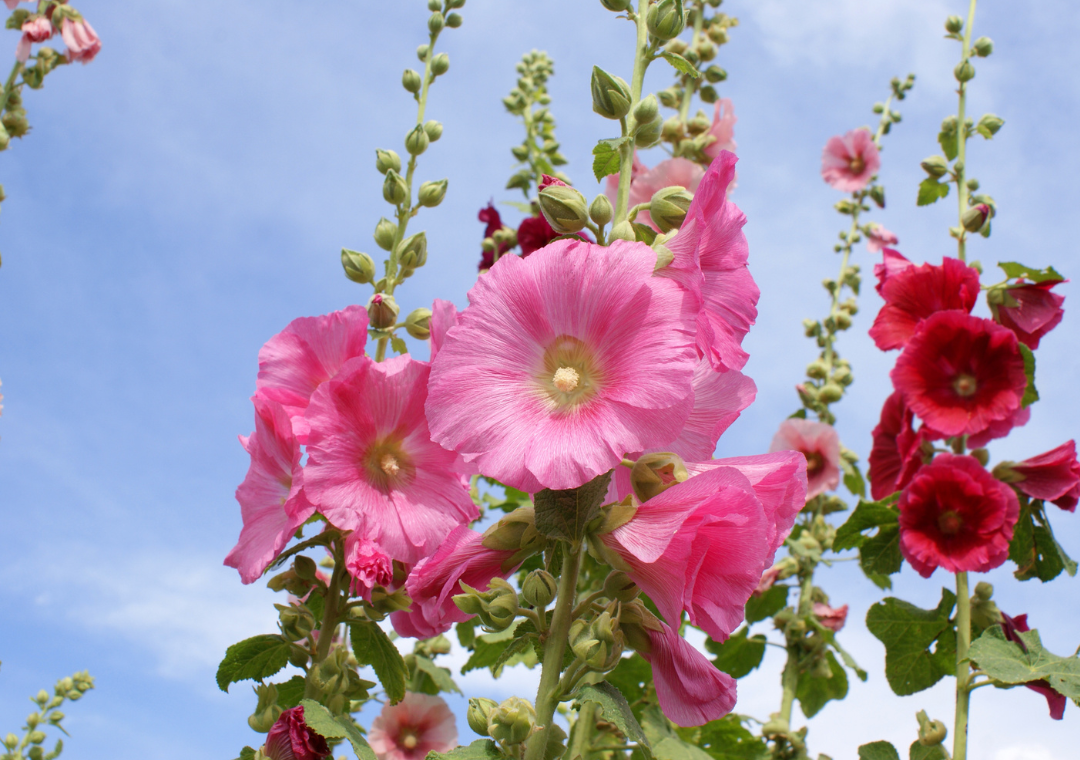
Hollyhocks bring classic cottage garden charm with towering flower spikes that bloom throughout the summer. Beyond their beauty, they also serve as a host plant for Painted Lady butterflies, providing a place for caterpillars to feed and develop.
Available in a wide range of colors, hollyhocks add height, color, and pollinator appeal to sunny garden beds. Their nectar-rich blooms attract butterflies and bees, making them a standout choice for gardeners looking to support wildlife while creating a beautiful landscape.
Supports: Painted Lady Butterfly
5. Eastern Black Cherry (Prunus serotina)
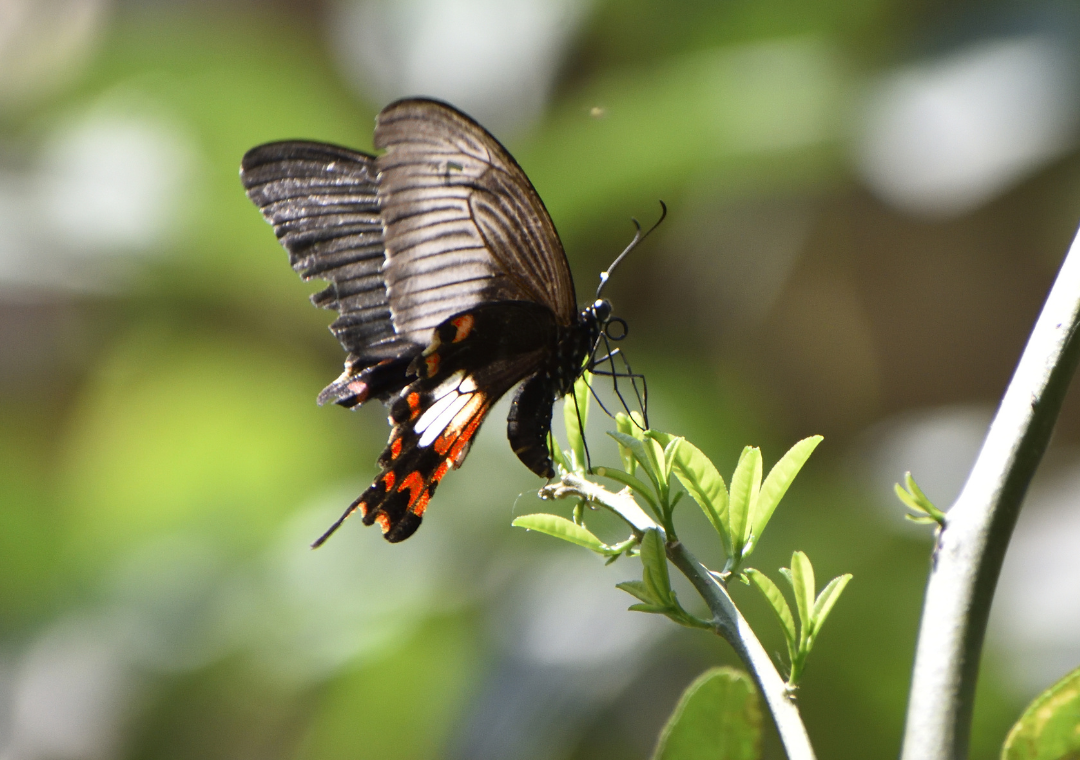
Eastern Black Cherry is one of the most valuable native trees for supporting butterflies and other wildlife in Virginia. While gardeners often appreciate it for its spring flowers and ability to attract birds, it also serves as a host plant for several butterfly and moth species, including the Eastern Tiger Swallowtail.
In spring, clusters of fragrant white flowers provide an early-season food source for pollinators. Later in the season, the dark fruits attract songbirds and other wildlife. Its ability to support insects, birds, and pollinators makes it a powerful addition to larger landscapes and naturalized areas.
Supports: Eastern Tiger Swallowtail Butterfly and numerous moth species
Why Host Plants Matter
Many gardeners are surprised to learn that caterpillar damage is actually a sign of success. When butterflies choose your plants as a place to lay eggs, it means your garden is providing valuable habitat. A few nibbled leaves today can lead to beautiful butterflies visiting your garden tomorrow.
A healthy butterfly garden includes both host plants for caterpillars and nectar plants for adult butterflies. By planting a mix of both, you can enjoy watching butterflies at every stage of their fascinating life cycle.
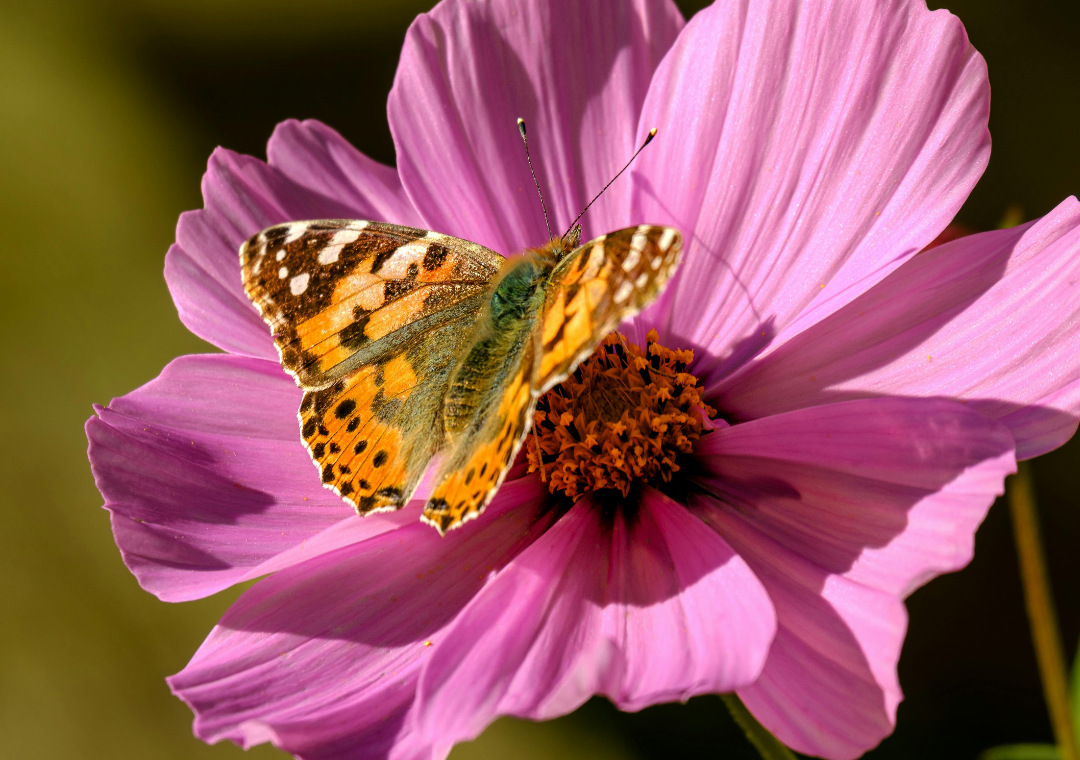
Don’t Forget Nectar Plants
Host plants are only part of the equation. Adult butterflies also need nectar sources to fuel their daily activities and migrations. Popular nectar plants for Virginia gardens include butterfly bush, coneflowers, lantana, salvia, verbena, zinnias, and Joe-Pye weed. Combining nectar plants with host plants creates a welcoming habitat that supports butterflies from egg to caterpillar to chrysalis to adult.
Ready to create a butterfly-friendly landscape? Visit McDonald Garden Center to explore a wide selection of pollinator plants, native species, and butterfly favorites that can help turn your garden into a haven for wildlife. To stay inspired and grow with us online, follow us on Facebook, Instagram, Pinterest, and TikTok to explore more gardening tips and ideas. To stay inspired and grow with us online, follow us on Facebook, Instagram, Pinterest, and TikTok to explore more gardening tips and ideas.