A Million Reasons to Love Million Bells
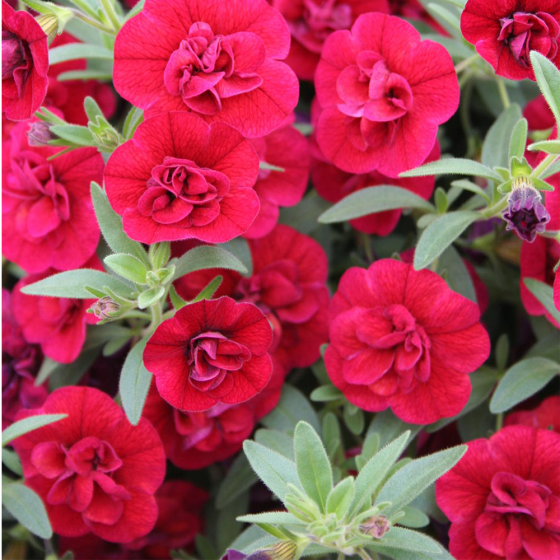
Calibrachoa, also known as Million Bells or Superbells, look like tiny petunias, but there’s nothing petite about their show-stopping color from spring until fall. Known for their superb color, heat tolerance, disease resistance, and oodles of blooms, it’s no surprise why this series is a star performer. With growth habits that range from the small and compact to the cascading, these plants make for colorful, trailing accents in containers or hanging baskets, along walkways, and on garden walls. Calibrachoa requires about six hours of sun each day in order to set more buds and produce flowers all season long. It can survive in a slightly shadier site if you don’t have sun, but for “millions” of flowers, the right amount of sun is needed. Check out these two, new varieties that will brighten your landscape or containers:
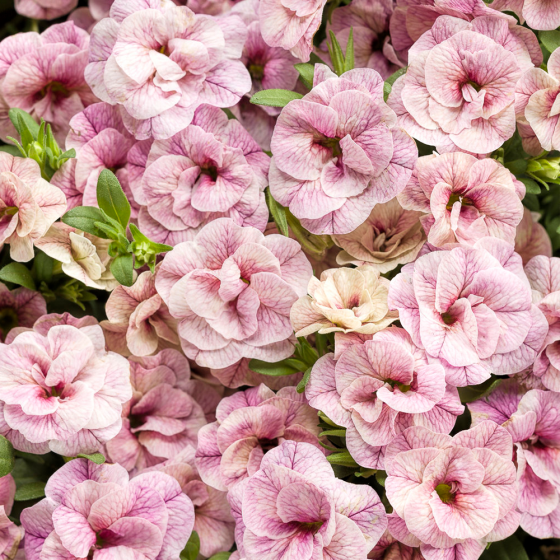
Superbells Double Orchid – this double bloom calibrachoa features light pink blooms accented with deeper pink veining. Perfect as a trailer in hanging baskets, window boxes and combination pots. Double Orchid stands 6-12 inches tall with a spread of up to 18 inches. Plant in full-sun to part-shade locations and well-drained soil.
Superbells Double Ruby – boasts red, double petunia-like flowers all season long. This low maintenance, profuse bloomer is ideal as a spiller in hanging baskets and containers. Like Double Orchid, Double Ruby grows 6-12 inches tall with a spread of up to 18 inches. Plant in full-sun to part-shade locations and in well-drained soil.