Summer Butterflies
by Kathy Van Mullekom, a lifelong gardener and gardening writer living in York County, Virginia
Each summer, I chuckle when neighbors and friends ask why caterpillars are eating their parsley, dill and fennel. They want to know how to kill whatever rascal is doing the damage. With a straight face and slight sternness in my voice, I quietly explain that those horrible caterpillars will soon morph into beautiful butterflies. But, first they need to eat. Oh, they quickly reply, smiling at the thought.
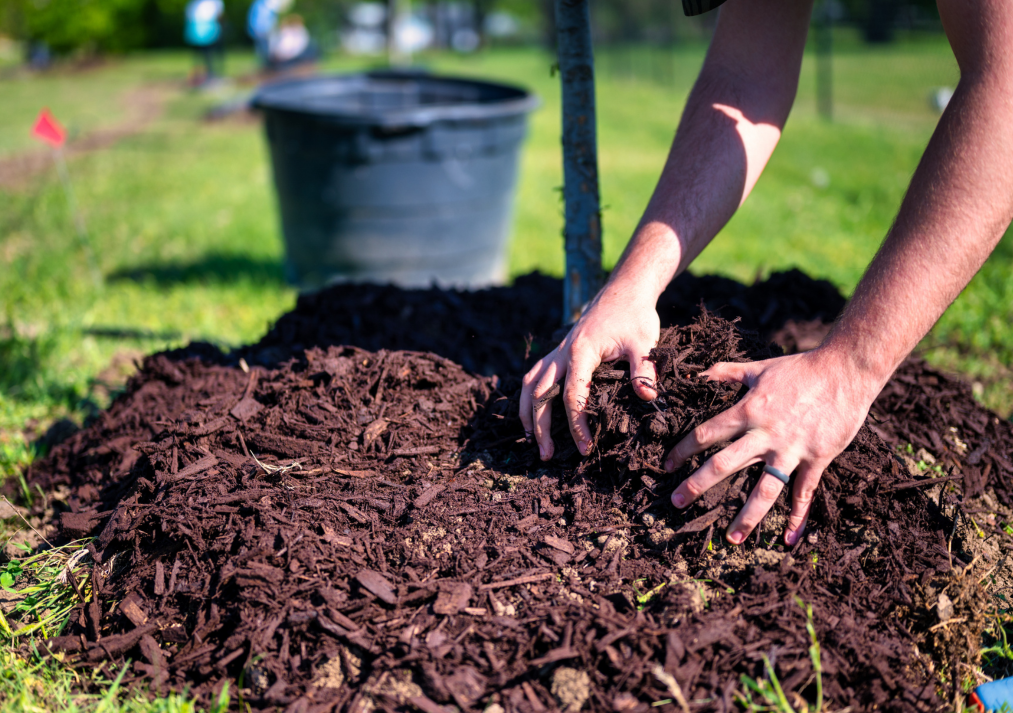
August is primetime butterfly season in my pollinator garden, especially since I planted three dozen milkweed seedlings three years ago. Native milkweed, I find, is very prolific at reproducing from the hundreds of seeds that pop out of plump pods each fall, lying dormant in the mulch until the next spring. I never collect and store the seeds – why when Mother Nature is much better at doing the job? Monarch butterflies lay their speck-like eggs on the milkweed, and soon afterward those eggs hatch caterpillars (larva) that feed and feed and feed. Each full-grown caterpillar becomes a pupa (chrysalis) that then transforms into an orange-and-black beauty. The egg takes 5-10 days; the larva/caterpillar and pupa/chrysalis each take about 10-14 days, according to biologists. Habitat for the Monarch is disappearing so anything you can do to help it survive is needed, according to the nonprofit Monarch Watch at http://monarchwatch.org.
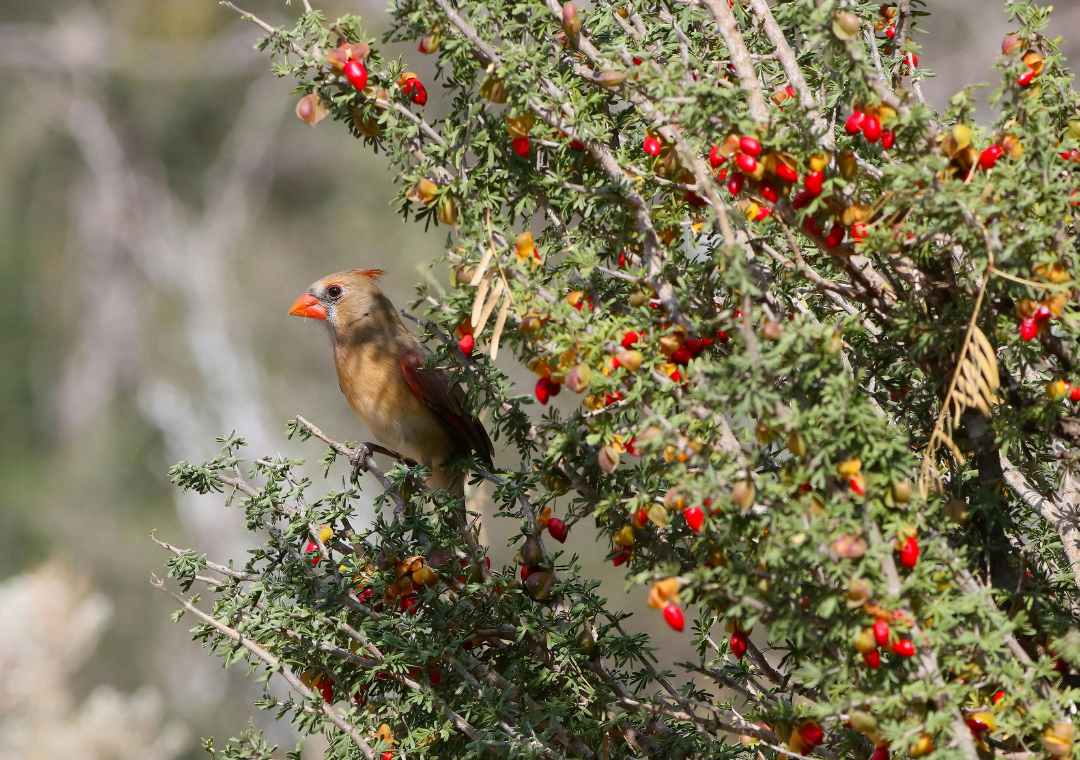
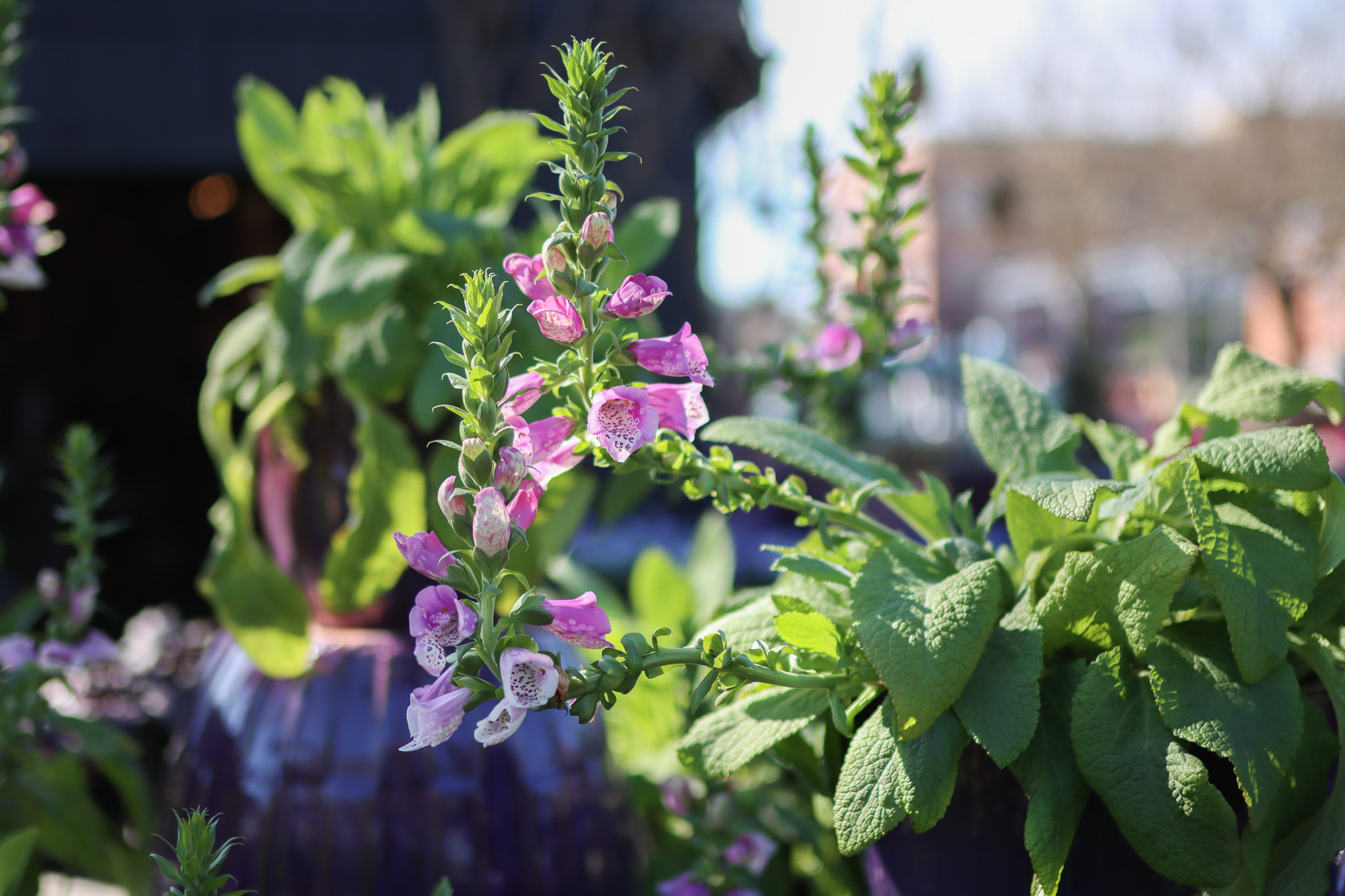
My garden is also home to many eastern black swallowtail and tiger swallowtails, which is Virginia’s state insect. The black beauty likes to lay eggs on my parsley and fennel, which easily reseeds if you don’t disturb the soil; it also deposits eggs on Queen Anne’s lace. Tiger swallowtails prefer to lay eggs on trees such as wild black cherry, tulip tree and magnolias, including Virginia’s native sweet bay magnolia, a lovely, medium-sized tree with no messy dropping leaves. My perennial garden also attracts moths, as well as bees and pollinating flies. Birds such as yellow finch and hummingbirds feed there, too. Perennials like butterfly bush, coneflowers and Shasta daisies provide nectar for butterflies of all kinds. It’s the life blood of my entire yard, the place where peace and purpose come together for a summer of exceptional beauty. I like to call it “my happy place.”
photos from Ruth Meredith, McDonald Garden Center