The Bug You Want in the Garden
THE BENEFITS OF LADYBUGS
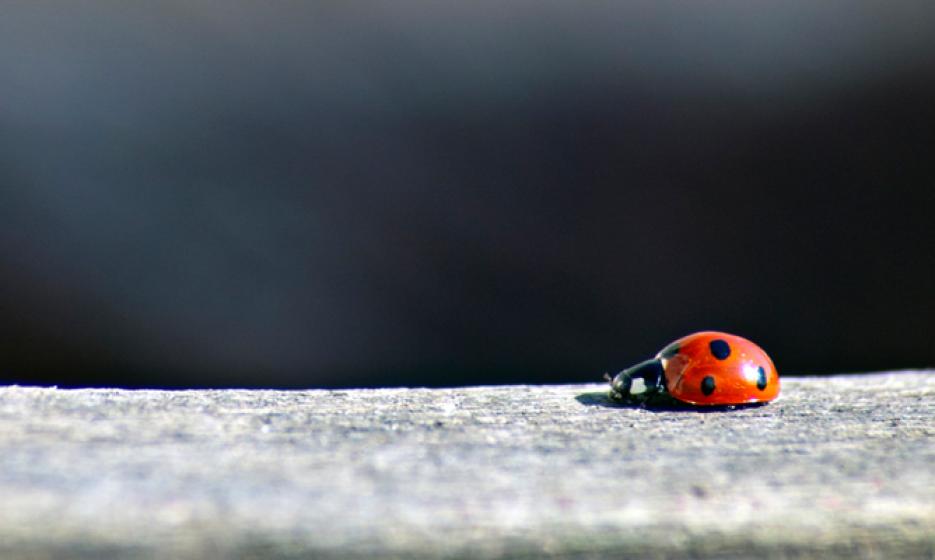
Of all the insects in the garden, the ladybug is probably the most familiar and there are many reasons we love them. A ladybug’s bright coloring will not only bring cheer into the garden, but they are also great for getting rid of “bad bugs” without the use of harmful insecticides making them a gardener’s best friend. They are most active in warm weather from spring until fall and feed on aphids, spider mites, scale, thrips, whiteflies, mealy bugs and other slow-moving, soft-bodied insects, larva and eggs. Known for their ferocious appetites, a single ladybug can eat up to 50 aphids a day – that’s 5,000 aphids during its lifetime! They’ll stay in your garden as long as there’s something to eat.
Today, you can buy ladybugs at most garden centers to help diminish those unwanted pests. Once you and your ladybugs arrive home, keep the container they come in sealed and place it in your refrigerator or a cool place. Being cool calms the ladybugs down. Keep them refrigerated (35-40 degrees) until you’re ready to release them. It’s best to free them in the evening hours, so they’ll have time to find a place to sleep and settle in for the night. In the early morning, they’ll wake up, find some something to eat, and hopefully will make themselves at home. They may also be thirsty, so spray some water on your garden plants before you release them. You’ll only have to do this once, since they’ll get the moisture they need from the insects they feed on.
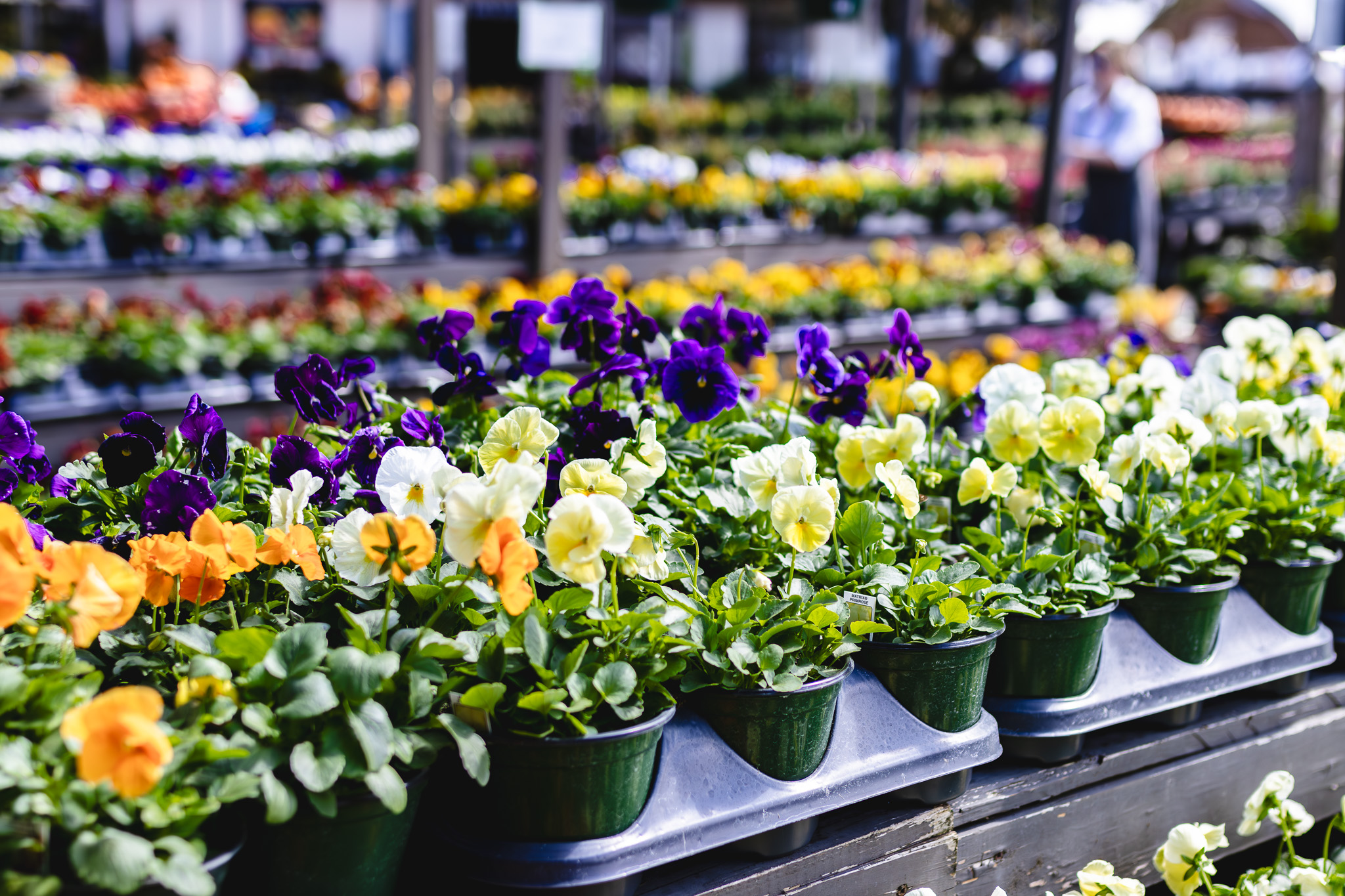
Once they’ve become a garden resident, you want to make sure they stick around. There’s a few ways to encourage them to hang around your place and not go flying off to the neighbor’s garden. You can keep and attract ladybugs to your garden by planting marigolds, angelica, butterfly weed, yarrow, roses, and goldenrod. In a vegetable garden, lure them with cucumbers, peppers, eggplants, and tomatoes. You can also keep ladybugs at home by offering a hibernation site. Pile dead leaves, hay, straw, or other organic mulch at the base of a fence or around plants to serve as winter housing.
It’s no wonder gardeners welcome these lovely bugs with open arms – and remember, kids love ladybugs too so be sure to involve them. Children will have fun releasing ladybugs into the garden and what a great way to teach them about their environment.