The History of the Locals’ Favorite Tree
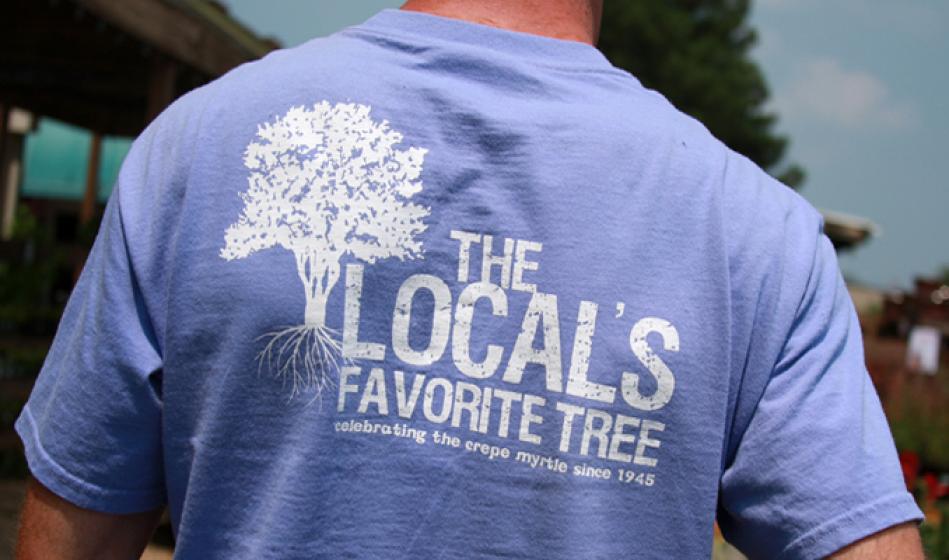
One of the South’s most iconic plants, the Crepe Myrtle arrived in England from its native China in 1759. Few were impressed with the Crepe Myrtle, because it simply would not bloom – England just wasn’t hot enough. However, in 1786, the plant was introduced to Charleston, South Carolina, and it finally found a home in the sizzling American South.
Crepe Myrtles are among the toughest, most adaptable, and showiest plants grown in Hampton Roads. Sometimes called ‘the Lilac of the South’ its dense clusters of crinkled, crepe-papery flowers in white or shades of pink, red, or purple bloom for months in summer. In fall, leaves turn a brilliant red or orange, and its speckled, peeling bark also provides winter interest .The deciduous Crepe Myrtle is among the longest-blooming shrubs (up to 120 days), and varies in size from dwarf to large shrubs or small trees.
The Crepe Myrtle as we know it today would astonish the ancient Chinese, thanks in part to decades of work accomplished by Dr. Donald Egolf of the National Arboretum. These modern cross-bred Crepe Myrtles are more disease resistant, hardier and more vigorous than the earlier varieties. Six new and improved varieties were chosen and were given Native American Indian names. Dr. Egolf’s continued cross-breeding with Lagerstroemia fauriei, which created many of today’s newer hybrids such as Natchez, Tuscarora and Tonto.
It’s no surprise that this heat-loving, humidity-thriving, drought tolerant, fast growing plant ranks as one the South’s most popular ornamental tree! Be sure to check out the many Crepe Myrtle varieties during our 30th annual Crepe Myrtle Fest, July 21-23. Get the scoop here >>