Winter Weather Gardening Tips
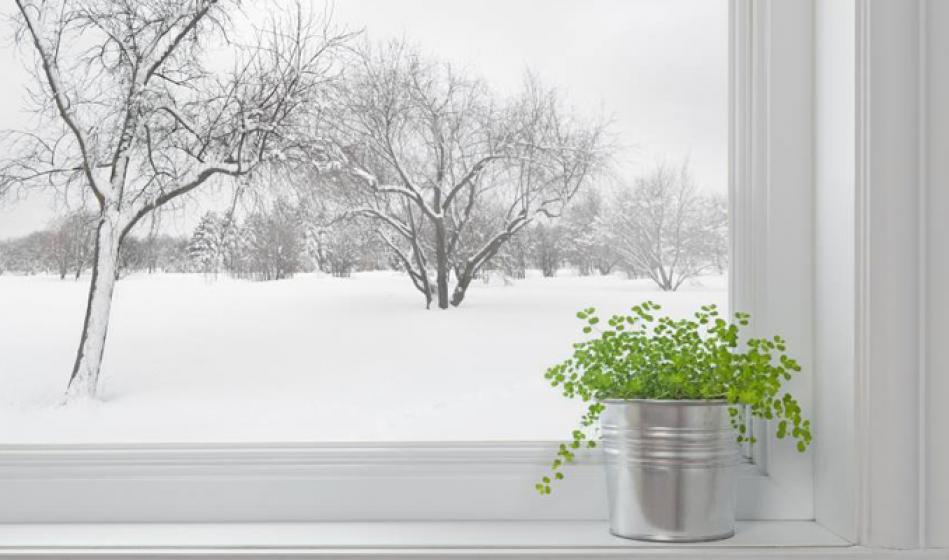
Mother Nature has sure sent us some wintry weather over the past two weeks. Springs flowers will much be appreciated and we will wait with anticipation for the groundhogs report. With all the snow and wintry weather, we assembled a few tips from our garden guru’s to give you a little garden guidance in the coming weeks.
The good news is that this cold weather has come well into the winter season. As we move deeper into winter, plants develop much of their cold hardiness and as it gets colder the plants become more hardy. In other words, 5 degrees in early December can be devastating to a plant, however, the same 5 degrees in mid January with a slow cool down will have much less negative effect.
More good news is that a good snow cover is like pulling a warm blanket over the plants. The extra insulation holds the earth’s natural temperature down and protects the plants from wind and cold.
This snow was texturally rather light and it did not stick heavily to the foliage and stems of plants. We recommend removing any snow that is bending branches to help eliminate broken branches. Once the snow melts, there still may be some broken branches and we recommend pruning them out as soon as the plants are thawed out. To do this, make clean smooth cuts with an angle so that they shed water.
It will be early April before we can identify much of the cold damage that has occured over the past few weeks. Broad leaf evergreens are the most susceptible. While the roots are frozen the leaves are exposed to cold, dry winds that draw the moisture out. The desiccated leaves have no way to replenish the water and die. This often does not show up until it is time for spring growth. A soon as these branches are identified remove them. It is best to cut as little as possible at first and then cut again until you reach stems that are all green under the bark. During snowy weather back in the 70’s, we saw Ligustrum, camellias and figs killed to the ground. When cut to the ground you will be surprised at how quickly the big strong root system can re-grow the top foliage.
Plants in containers above ground are the next most susceptible. It is best if they can be placed in a protected location out of the sun and screened from the wind. Once frozen, they are best left untouched until Mother Nature thaws them naturally.