7 Must Know Tips for Plant Parents: Houseplant Basics
Houseplants are growing in popularity and a new generation of plant parents are visiting our greenhouses everyday. With that, we wanted to give everyone a few tips to be successful.
GETTING TO KNOW YOUR PLANT – Some plants require very little attention, while others need a bit more TLC. Certain plants such as tropical house plants need regular misting to boost humidity, others are sensitive to salts and chemicals in tap water. Reading care cards, doing research and asking our plant experts will all help to get to know your plants better and become a better plant parent.
H2-KNOW – Always pay close attention to watering instructions for your plants because each plant has its own watering needs. Some plants such as succulents prefer dryer soil and less frequent waterings, tropical plants need to be kept consistently moist, and many others prefer to dry out before another watering. Typically, even watering underneath foliage and directly to the soil is best, but If it feels like the soil is extremely or completely dried out, your plant may benefit from the bottom or soak-watering method. Be mindful that too much water, or ill-draining pots can lead to root rot, so always make sure to dump out any excess water.
CHOOSE THE RIGHT SPOT – Know how much light is right. Some plants are adaptive and thrive in a myriad of light environments, while other are more temperamental and thrive best in high direct light. Understanding which windows in your home will give the best light for your plants’ needs is a key component of being a great plant parent.
FEED ME PLEASE – Simply put, fertilizers are like vitamins for plants. When used properly, an all-purpose fertilizer can treat and help prevent plant “malnutrition” while promoting rapid growth and blooming. McDonald Green Leaf is an all-purpose, slow release fertilizer formulated with quality ingredients to ensure high performance and reliability. If using a liquid fertilizer, never apply directly to dry soil. It’s important that the soil is evenly moist before adding any fertilizing liquid. Dilute fertilizing liquid with water to half strength, or as directed on the bottle. Over-fertilizing can lead to shock. Carefully and evenly pour the fertilizing liquid over the top of the soil, until water begins to drip from the drainage hole.
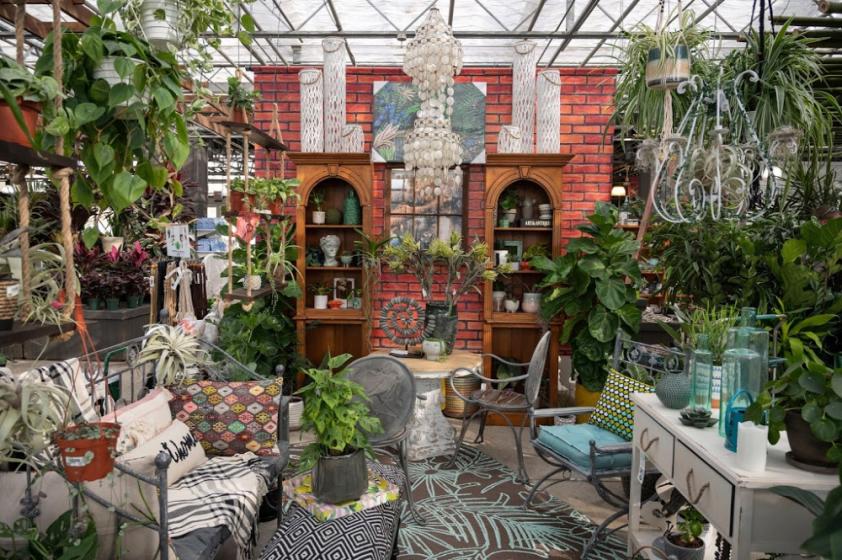
THE MORE THE MERRIER – Houseplants love to be grouped together. Placing plants together will create a microclimate, making it easier for the plant to retain moisture and humidity. Plants have been proven to help you de-stress and connect you to nature. Adding multiple plants to your space will create an ultra-calming indoor jungle that you’ll love to spend time in. Caring for your plants can calm your nerves, too. Seeing your plant grow and flourish is incredibly rewarding, and we can guarantee that once you’ve mastered the care of one plant, you’ll want to challenge yourself with more.
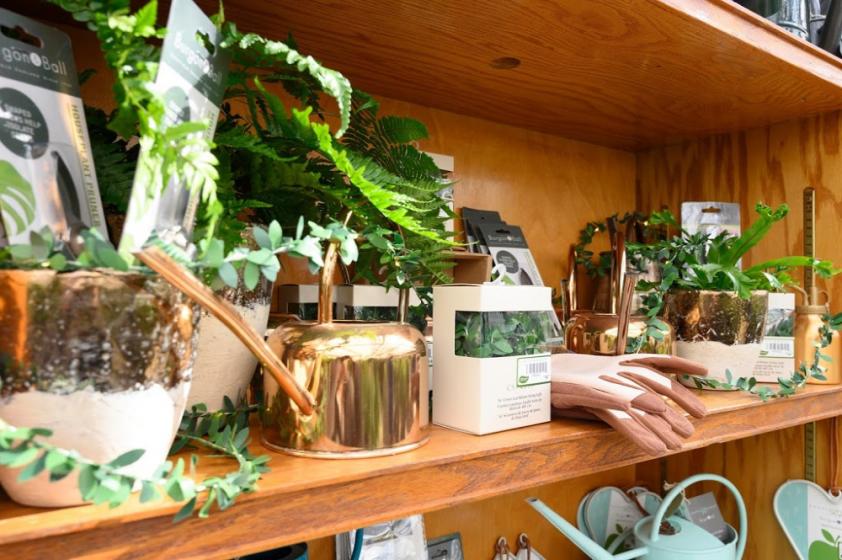
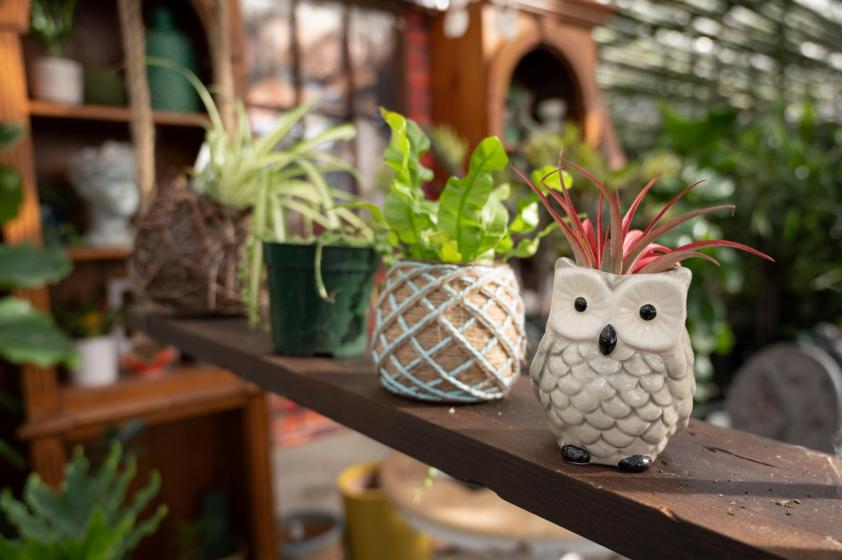
KNOW WHEN TO ACCESSORIZE & REPOT – To promote continued growth and root health, it’s important to know when to repot your plants. The average healthy houseplant will outgrow its container and need to be repotted at least once in its lifetime. Check for roots creeping up along the top of the soil, or seeing roots growing through the drainage holes at the bottom of the pot. This is a sign that your plant is root-bound and needs more space. Another indication when it is time to re-pot if when watering, the water rushes through the pot and out the drainage hole. This shows the roots are taking up too much room in the current pot and there is not enough soil to root ratio. Choose a container that is 4 – 6 inches larger than the existing pot. If any larger the soil to root ratio may be too large and can lead to oversaturated soil and root rot.
CLEAN & PEST FREE – Keep an eye out for pests. They usually will attack the new growth and also hide on the underside of the leaves and along the stem. They are not harmful to humans and are easily able to control. If you do discover pests grab yourself an organic insect spray. Lay out some plastic under the pot and start spraying at the bottom of the plant. Spray the foliage on the underside and then on top, working your way up. Your treatments may take several applications 7 – 10 days apart. The sooner you discover those pests, the easier it is to get under control, so check your plants often. Keep your leaves free of dust and grime this will keep your plants healthier – plus they’ll look better. Take a half of a lemon and squeeze it into a quart of water using a soft cloth. Wet it with the lemon mix and wipe gently. Support the foliage using your other hand so you won’t bend or break the leaf. Unless you live in a dust bowl, you’ll probably only have to do this once every six months or so.