Pre-Order Grass Plugs at 20% off Regular Price!

How to Plant a Pollinator Garden

Pollinators like bees, butterflies, hummingbirds, and even moths play a vital role in keeping our ecosystems thriving. By helping plants reproduce, they support the entire food web, including us!

How to Plant a Pollinator Garden
cmelvin

Pollinators like bees, butterflies, hummingbirds, and even moths play a vital role in keeping our ecosystems thriving. By helping plants reproduce, they support the entire food web, including us! In honor of National Pollinator Week, we’re diving into how to plant your very own pollinator garden. It’s more than just a beautiful, blooming space,  it’s a powerful way to support biodiversity and give back to the environment right in your own backyard.

Here’s how to get started:
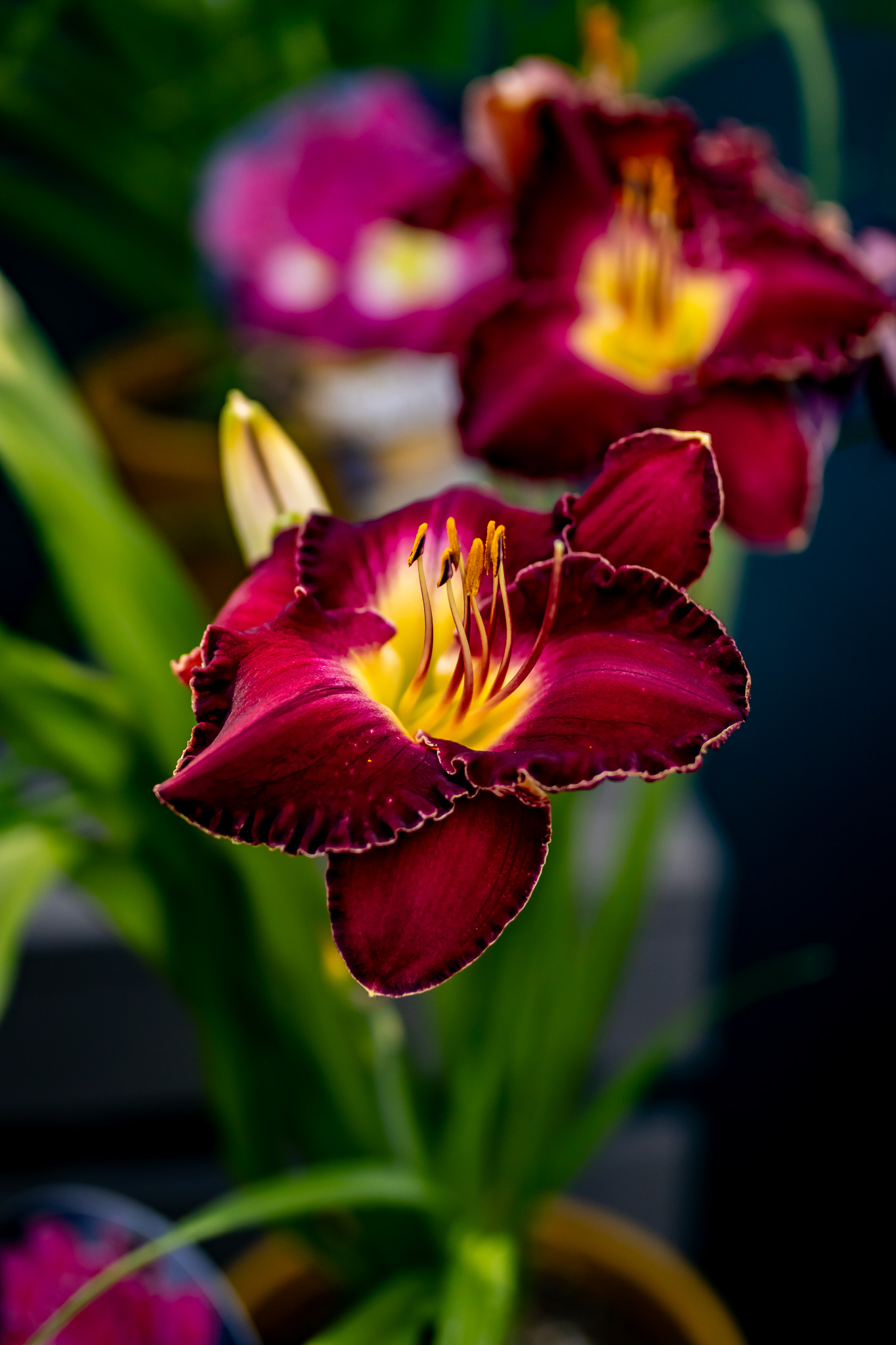
Daylilies
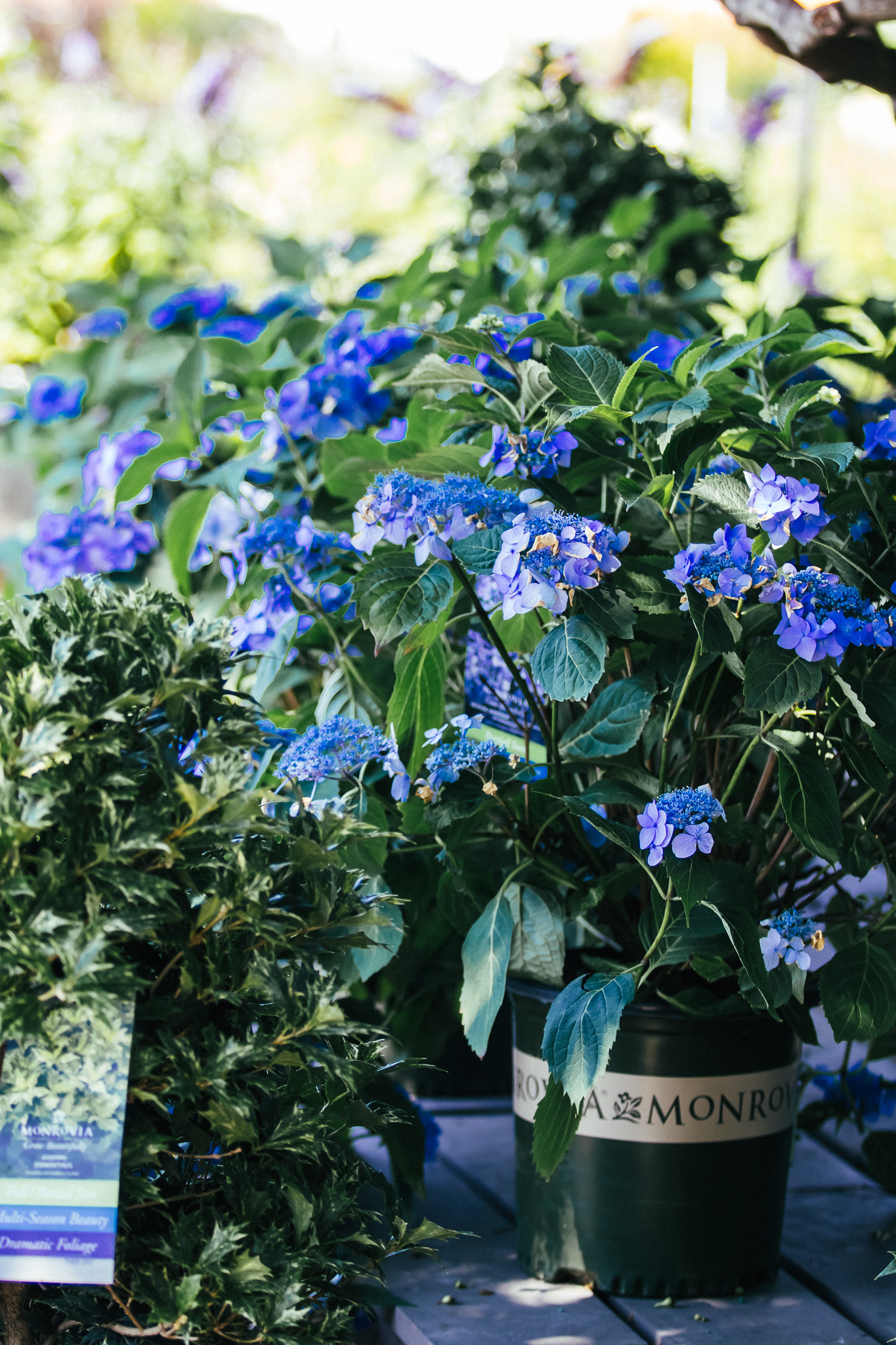
Hydrangea
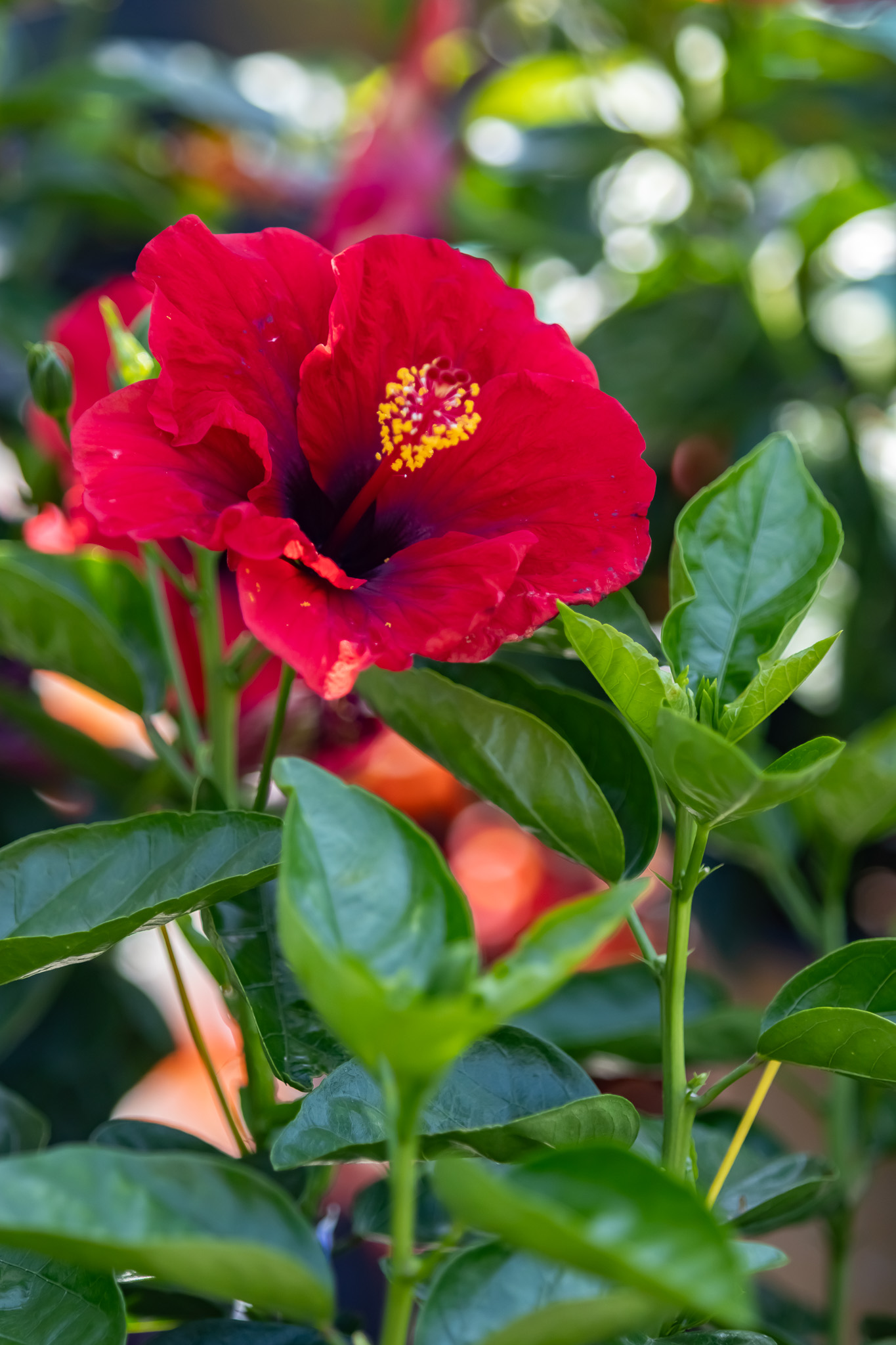
Perennial Hibiscus

1. Choose the Right Location

Pollinator-friendly plants thrive best in sunny spots. Aim for at least 6 hours of sun per day. Choose a location that’s visible and accessible, somewhere you can enjoy watching all the action.

2. Plan for Seasonal Bloom

The key to a successful pollinator garden is offering nectar and pollen throughout the growing season. Choose a mix of perennials and annuals that bloom in succession from early spring to fall.

Early bloomers: Lungwort, columbine, and creeping phlox
Mid-season stars: Bee balm, coneflower, catmint
Late-season lifelines: Black-eyed Susan, goldenrod, aster

Tip: Group three or more of the same plant together so pollinators can easily spot and access blooms.

3. Focus on Native Plants

Native plants evolved alongside local pollinators and are often the most reliable food sources. They also tend to be low-maintenance and well adapted to your soil and climate. Check with your local garden center or extension office for region-specific options.

4. Provide More Than Just Flowers

While blooms are crucial, a true pollinator paradise includes:

  • Host plants for caterpillars (like milkweed for monarchs)
  • Water sources such as a shallow dish with pebbles
  • Shelter such as ornamental grasses, logs, or brush piles
  • Undisturbed soil for ground-nesting bees

5. Think in Layers

Use tall plants like sunflowers in the back, medium-height bloomers like coneflowers or bee balm in the middle, and low-growers like creeping thyme or sedum up front. This creates visual interest and habitat diversity.

6. Add a Personal Touch

Include benches, stepping stones, or garden art to invite yourself into the space as much as the pollinators. A pollinator garden should be a place of joy, observation, and connection.

You don’t need acres of land to make an impact, even a small bed or a few containers can provide essential resources for pollinators. With a little planning and the right plants, your garden can become a thriving ecosystem buzzing with life. To stay inspired and grow with us, follow us on Facebook, Instagram, Pinterest, and TikTok to dig into the joys of gardening.

Recent Blog

Related Articles

Not Your Starter Plants: 5 Houseplants for the Serious Collector

If your houseplant journey started with pothos and snake plants and somehow turned into tracking humidity levels and celebrating every new leaf unfurl, welcome! You’re officially in collector territory. These...

Valentine’s Day Houseplants that Actually Bloom Indoors

Let’s be honest, Valentine’s cut flowers are beautiful…for about a week. Then they’re gone. If you’re looking for a gift that lasts longer than dinner reservations and chocolate, blooming houseplants...

The Surprisingly Simple Care of Orchids

  Orchids have a reputation. Elegant, striking, and maybe even a little intimidating. Many label them as high‑maintenance houseplants best left to experts. But here’s the truth: orchids are far...

Explore McDonald Garden Center