Something tunneling through your lawn or nibbling your favorite plants? Moles and voles can turn a beautiful yard into a source of frustration. While their names sound similar, these garden visitors cause different kinds of damage. Knowing which one you have will help you choose the right approach to protecting your lawn and garden.
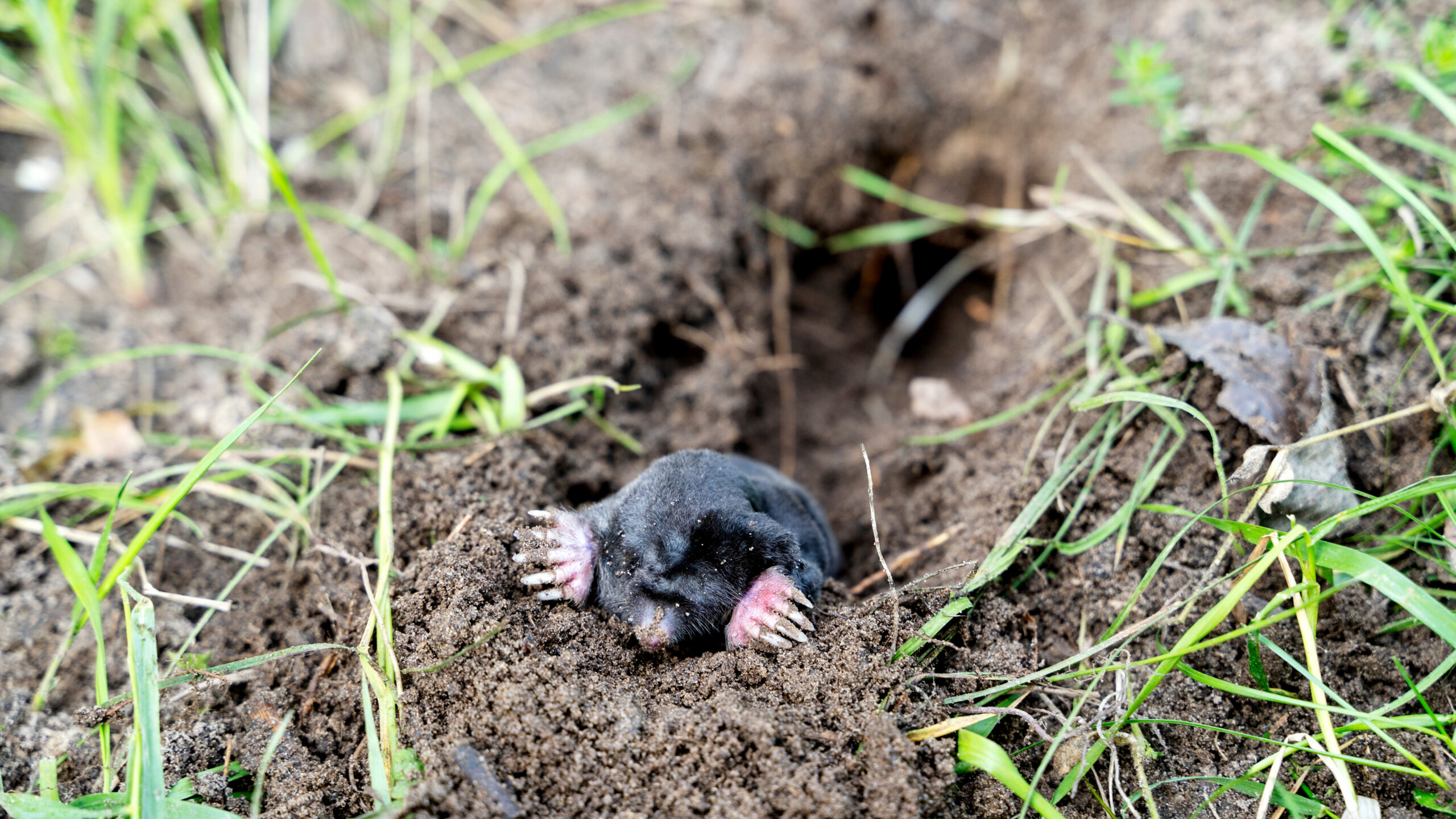
Is it a mole or a vole?
Moles feed on earthworms, grubs, and other small creatures in the soil. Their underground digging leaves raised ridges and mounds across the lawn. Although they generally don’t eat plants, their tunnels can disturb roots and dislodge bulbs.
Voles feed primarily on plants, including roots, bulbs, and bark. Their chewing can damage flowers, trees, and shrubs, sometimes before you notice anything happening above ground. Voles may travel through existing mole tunnels, but they can also be present without moles.
Look for these clues:
Raised tunnels or soil mounds: Moles may be digging for food.
Chewed roots, damaged bulbs, or gnawed bark: Voles may be feeding on your plants.
Both types of damage: You may be dealing with both animals.
Give repellents a role in your plan
A repellent labeled for moles and voles is one option for discouraging activity around your lawn and planting beds. Castor oil–based products, such as Repellex Mole & Vole Repellent, are designed for this purpose.
For the best chance of success, follow the product’s directions for application, watering, and reapplication. Check the treated area regularly for new activity, and remember that results can vary. Repellents work best as part of an ongoing management plan rather than a one-time fix.
Always check that the product is appropriate for the area you’re treating, especially around vegetables, herbs, or other edible plants.
Treating grub problems
Because moles eat grubs, it’s tempting to assume that removing grubs will remove the moles, too. However, moles also eat earthworms and other soil creatures, so grub control alone may not send them packing.
Milky spore targets Japanese beetle grubs and may be an option when those grubs are a confirmed lawn problem. Choose grub treatments to address damage from grubs, rather than relying on them as your primary mole-control strategy.
Protect roots and planting beds
For areas with repeated damage, consider adding protection when you plant or renovate a bed.
PermaTill, a coarse, kiln-fired slate soil amendment, can be used in barrier applications around vulnerable planting areas. Proper placement matters, so follow installation recommendations for the intended use. A light sprinkling of material won’t create a dependable barrier.
Planning protection before new plants go into the ground can make the job easier, and help you avoid disturbing established roots later.
Make your yard less inviting to voles
Voles prefer places where they can move and feed under cover. Routine garden maintenance can reduce those hiding spots and make damage easier to spot.
Keep grass maintained, remove weeds and accumulated debris from planting beds, and keep dense vegetation away from tree trunks. As you tidy, check for fresh chewing near the soil line and plants that appear loose or begin declining unexpectedly.
Watch for changes and act early
After taking steps to discourage moles or voles, keep an eye out for fresh tunnels and new plant damage. Regular checks will help you see whether your approach is working or needs adjusting.
Need help identifying what’s happening in your yard? Bring photos of the tunnels, damaged plants, and surrounding area to our stores. We’ll help you understand the signs and choose an approach suited to your lawn and garden. To stay inspired and grow with us online, follow us on Facebook, Instagram, Pinterest, and TikTok to explore more gardening tips and ideas.