Ornamental Grasses 25% OFF

Which Mulch is Best for Your Landscape?

Mulch is like the icing on the cake for your garden beds , it not only adds a finishing touch to your landscape but also serves a multitude of purposes.

Which Mulch is Best for Your Landscape?
cmelvin

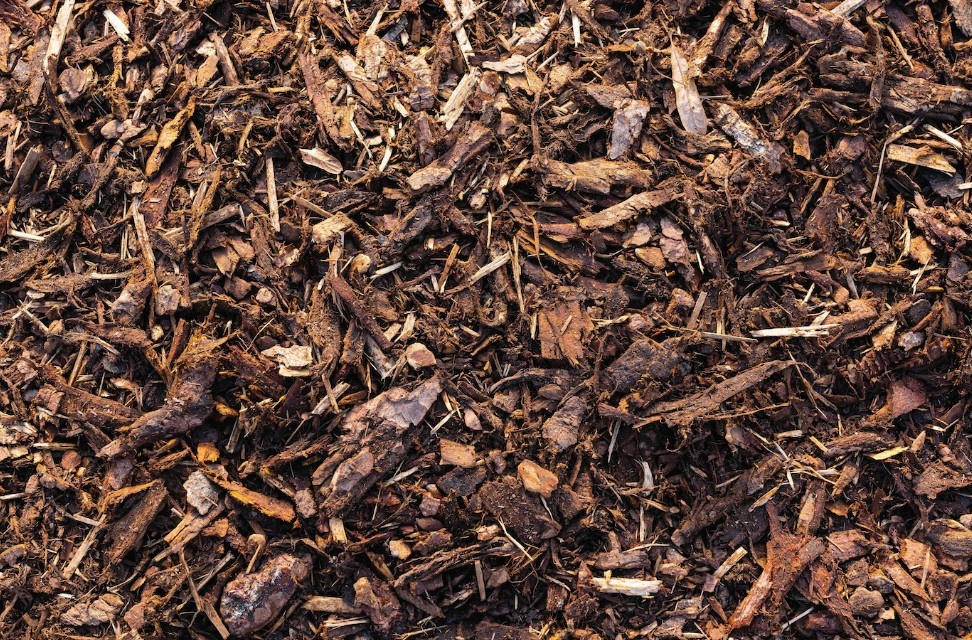
Mulch is like the icing on the cake for your garden beds – it not only adds a finishing touch to your landscape but also serves a multitude of purposes. Among the myriad of options available, cedar bark mulch, hardwood mulch, cypress mulch, pine bark mulch, and pine straw stand out as popular choices here at our garden center. Let’s delve into each of these options to understand their pros and cons, helping you decide which one is best suited for your landscape needs.
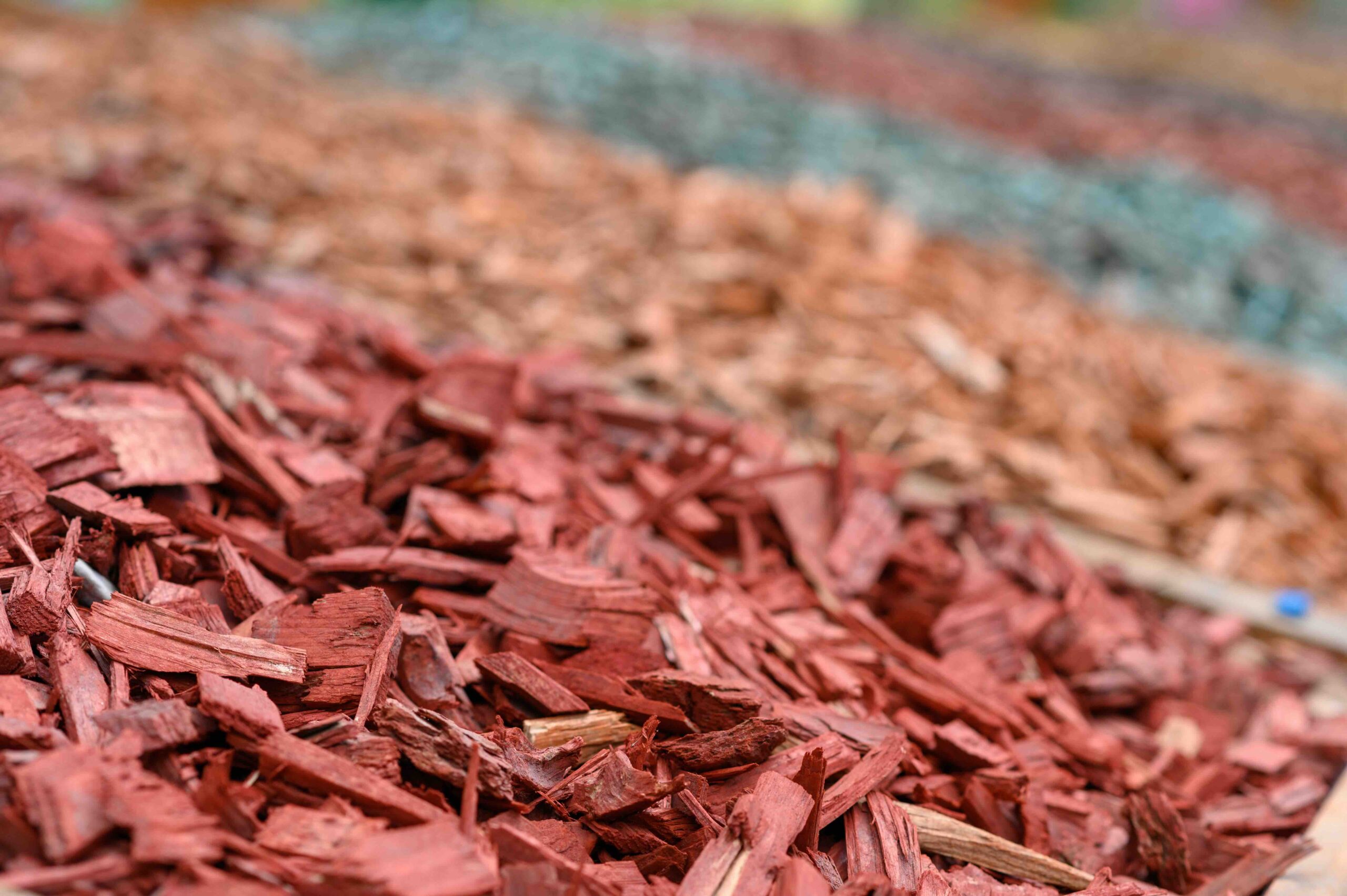
Mulch 1
Mulch 2
Mulch 3

Cedar Bark Mulch:

Cedar has natural oils and compounds that deter insects like termites and ants, making it an excellent choice for areas prone to pest infestations. Cedar bark mulch decomposes slowly, providing lasting coverage and reducing the need for frequent replenishment. Over time, cedar mulch may lose its vibrant color, fading to a grayish hue.

Hardwood Mulch:

Hardwood mulch, typically made from oak, maple, or beech, offers a rich, dark color that adds depth and contrast to your landscape. Similar to cedar mulch, hardwood mulch decomposes gradually, providing long-lasting coverage. Its dense texture effectively suppresses weed growth, reducing the need for herbicides and manual weeding. While not as pricey as cedar mulch, hardwood mulch can still be more expensive than other options, especially if sourced from high-quality hardwoods. We carry shredded hardwood mulch in plain, dyed black, brown, and red colors. 

Cypress Mulch:

Cypress mulch contains natural oils that repel insects and resist decay, making it a durable and long-lasting option. It has a fine texture that enables cypress mulch to retain moisture effectively, reducing the frequency of watering. It also has a light color that complements various garden themes and plantings.

Pine Bark Mulch:

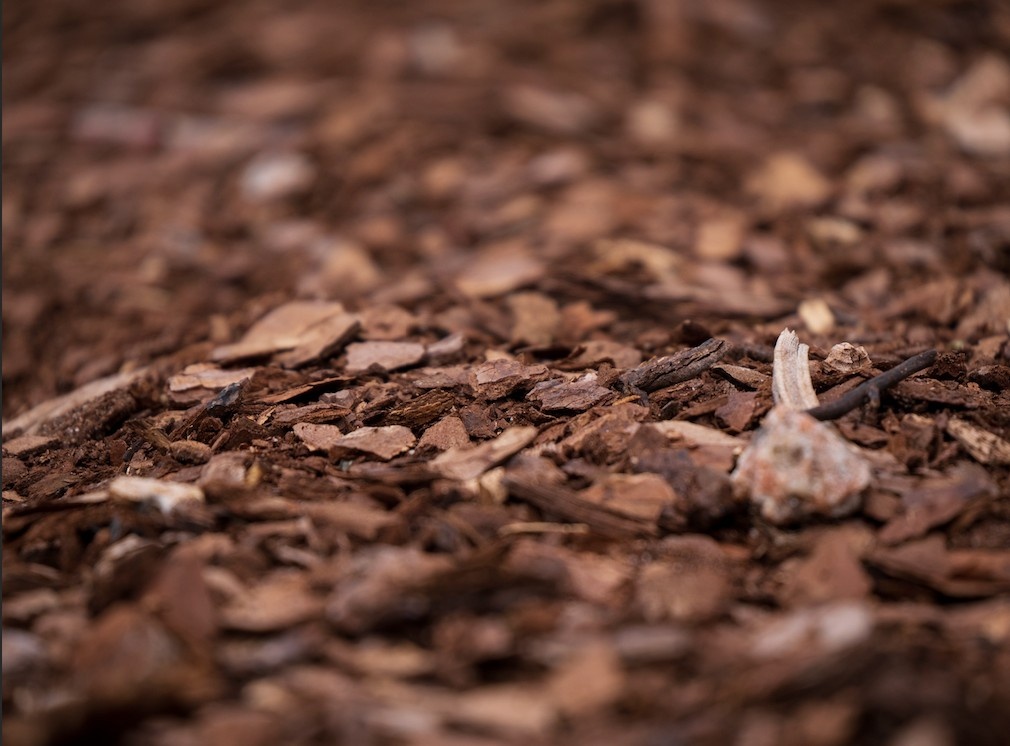
Pine bark mulch has a coarse texture that allows for excellent air and water circulation, promoting healthy root development. It slowly acidifies the soil, making it suitable for acid-loving plants such as azaleas, rhododendrons, and blueberries. Its larger particles help stabilize soil on sloped landscapes, preventing erosion. Pine bark mulch decomposes relatively quickly compared to cedar or hardwood mulch, requiring more frequent replenishment. While generally more affordable than cedar or cypress mulch, pine bark mulch may still be costlier than some alternatives.

Pine Straw:

Pine straw acts as a natural insulator, regulating soil temperature and protecting plant roots from extreme heat or cold. When applied in thick layers, pine straw effectively suppresses weed growth, reducing the need for herbicides. Its rustic appearance adds a natural and organic look to garden beds, enhancing the overall landscape design. Pine straw decomposes relatively quickly compared to mulches like cedar, necessitating more frequent replacement.

Each type of mulch offers unique characteristics and benefits, catering to different landscaping needs and preferences. Consider factors such as durability and aesthetic appeal when selecting the right mulch for your landscape. Whether you opt for the aromatic cedar bark mulch, the rich color of hardwood mulch, the insect-resistant cypress mulch, the soil-acidifying pine bark mulch, or the natural insulation of pine straw, choosing the right mulch can elevate the beauty and functionality of your outdoor space. To keep inspired and grow with us, follow us on FacebookInstagramPinterest, and TikTok to dig into the joys of gardening!

Recent Blog
Planning Your Fall Food Garden, What to Plant Now & What Can Wait
Why Your Weeds Keep Coming Back (And How to Stop Them)
The 3 Best Late-Summer Flowers for Bees & Butterflies

Related Articles

Planning Your Fall Food Garden, What to Plant Now & What Can Wait

When most people think about planting a food garden, spring is usually the first season that comes to mind. But late summer and fall can be some of the best...

Why Your Weeds Keep Coming Back (And How to Stop Them)

You pull them. You spray them. A few weeks later, they’re back. If weeds keep returning to your lawn or landscape, it doesn’t necessarily mean your weed control isn’t working....

The 3 Best Late-Summer Flowers for Bees & Butterflies

As summer begins to wind down, your garden can still play an important role in supporting pollinators. In fact, late summer is one of the busiest times of year for...

Explore McDonald Garden Center