Everything You Need to Know About Growing Persimmons
cmelvin
Today, we’re excited to dig into the wonderful world of persimmons with you! These sweet, vibrant fruits have been capturing hearts and taste buds for centuries, and we’re here to share the scoop on how to grow your very own persimmon tree. Our Green Team experts are just brimming with knowledge, and they’ve got all the tips, tricks, and care instructions you need to make your persimmon-growing journey a fruitful success.
What Are Persimmons?
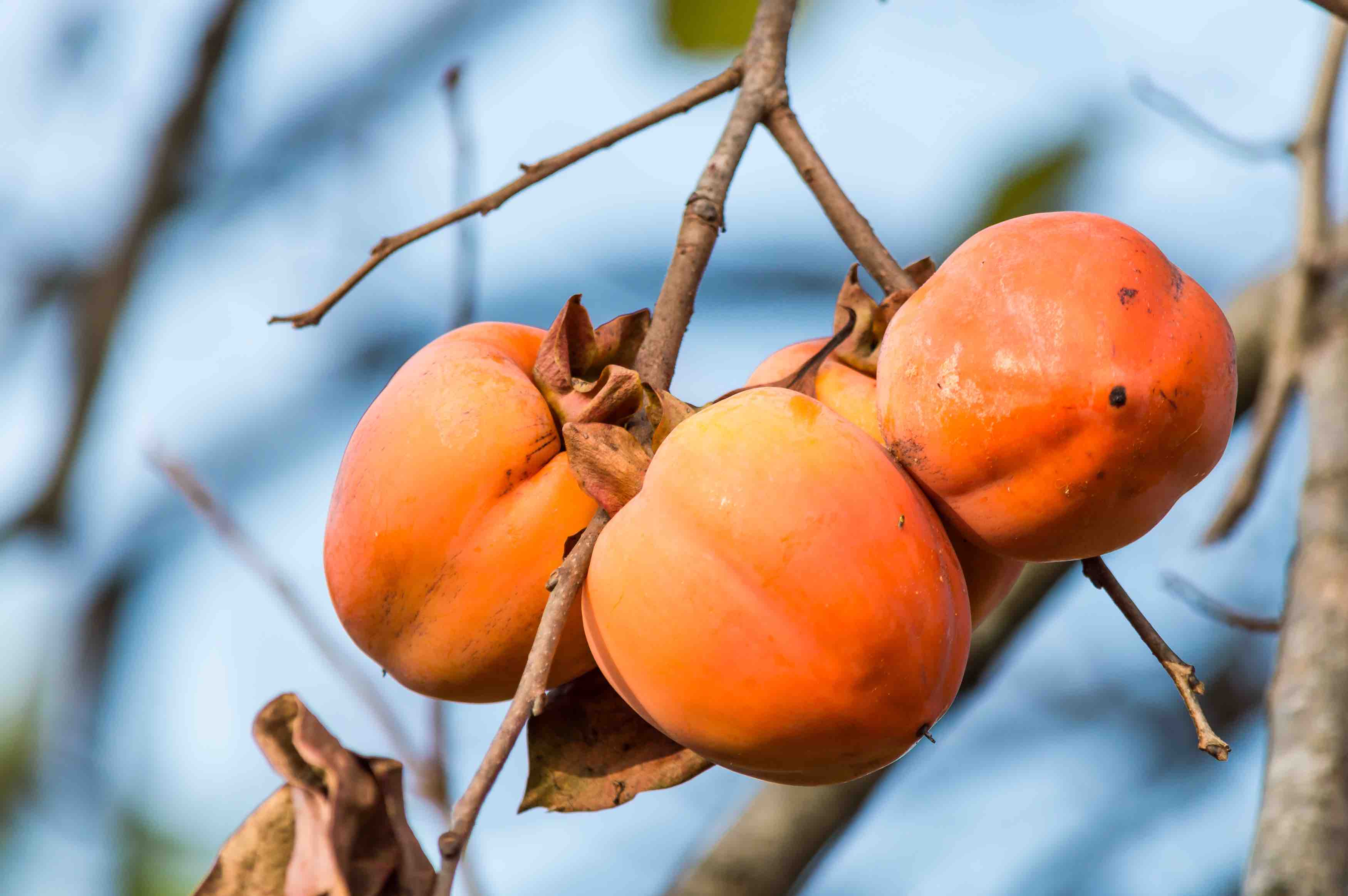
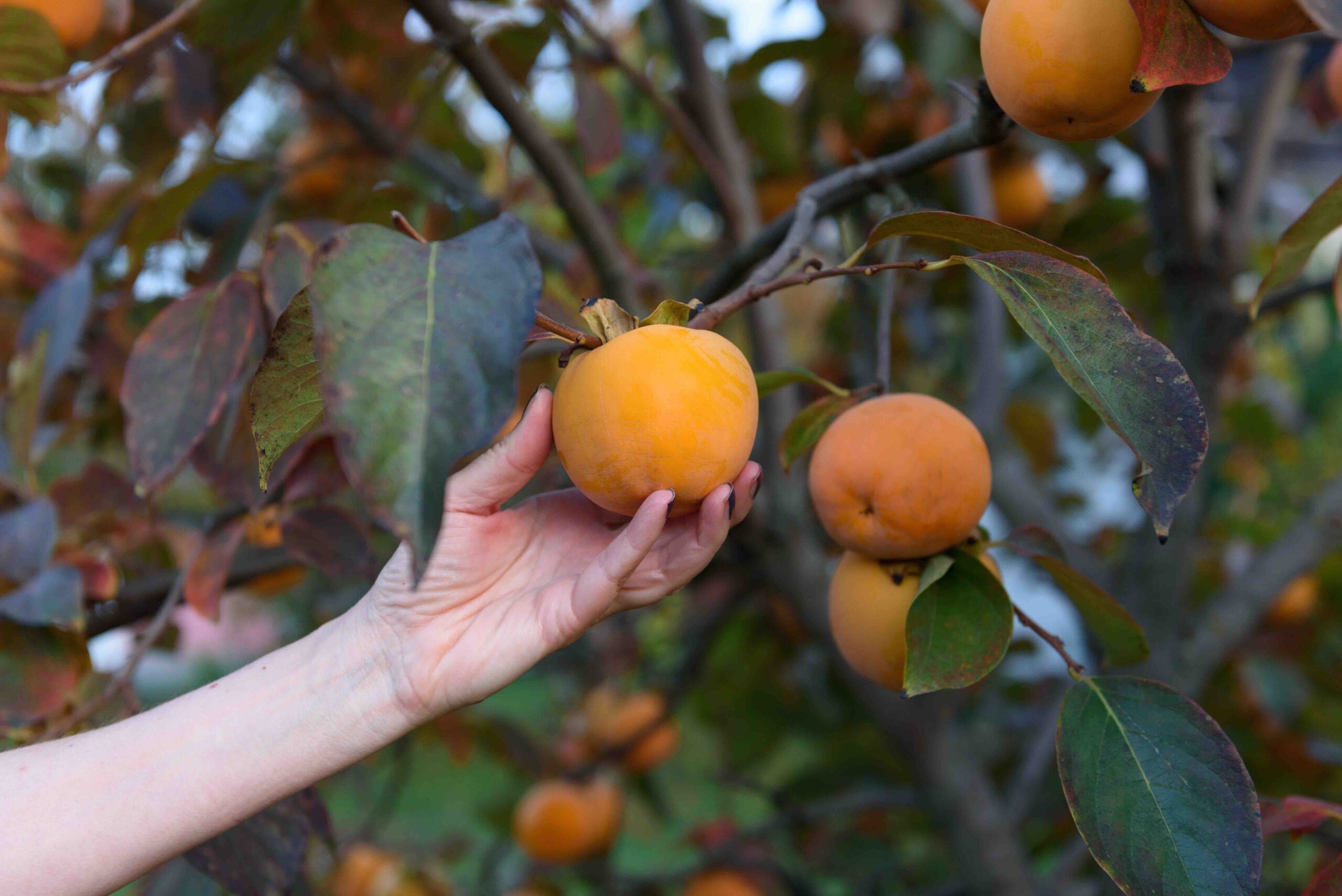
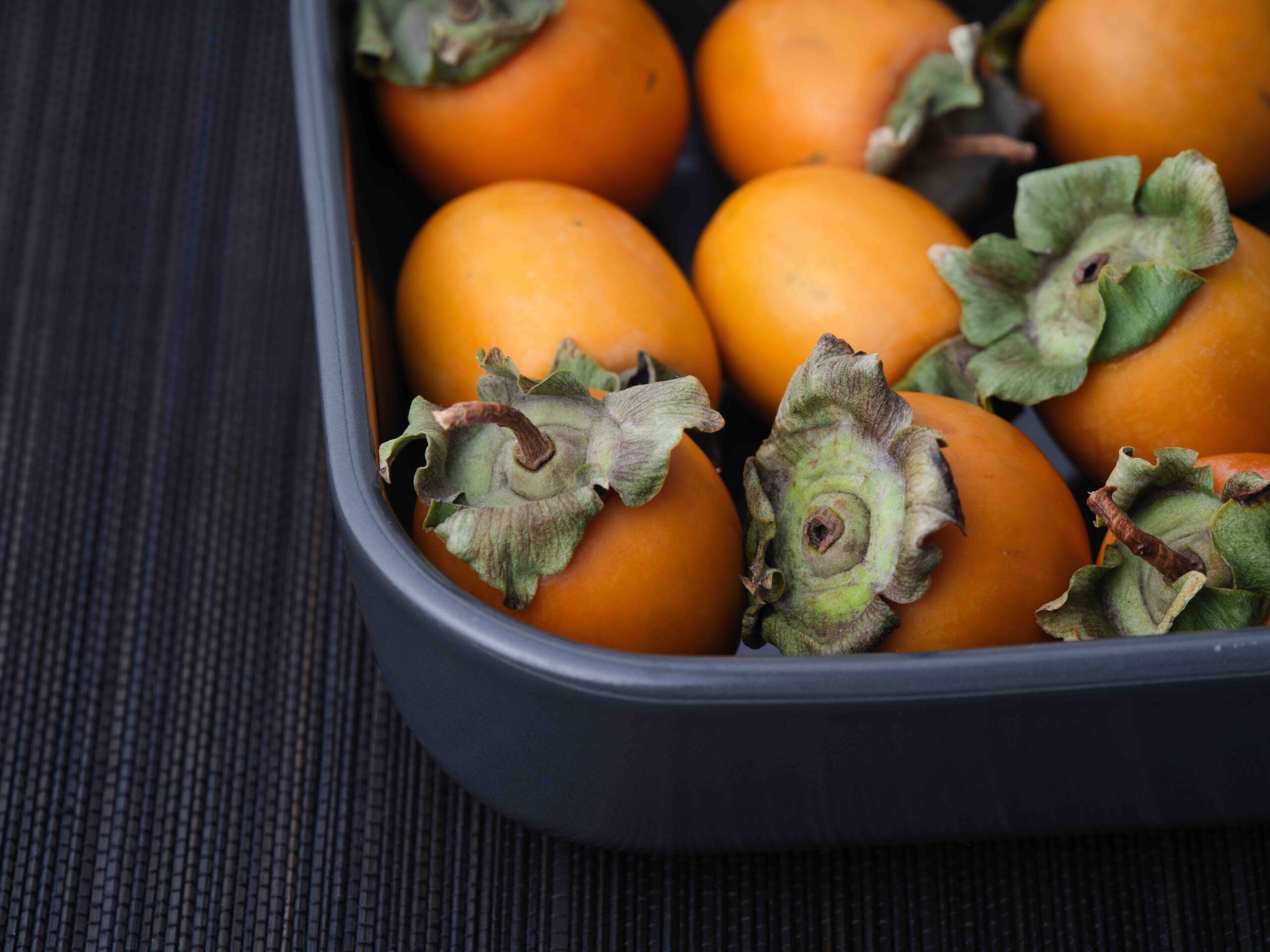
First things first, let’s get to know our star of the show. Persimmons are small, sweet, and incredibly delicious fruits. There are two primary types: astringent and non-astringent. Astringent persimmons are mouth-puckering until they’re fully ripe, while non-astringent varieties are sweet and edible when they’re still a bit firm. They come in a variety of shapes and colors, including round or acorn-shaped and hues ranging from bright orange to deep red.
Choosing the Right Variety
Before you embark on your persimmon-growing adventure, you’ll want to select the right variety for your climate. Some popular choices include Fuyu, American, and Japanese persimmons. All the persimmon varieties at the garden center right now grow amazingly well in the Hampton Roads area.
Planting Your Persimmon Tree
Once you’ve got your persimmon tree of choice, it’s time to plant it. Find a sunny spot that has 6+ hours of full sun every day with well-draining soil. Make sure the planting hole is about as deep as the tree’s root ball and twice as wide. Our experts also recommend mixing in our McDonald Garden Center compost to amend your existing soil.
Care and Maintenance
Now comes the fun part – caring for your persimmon tree and watching it flourish! Here are some care instructions and tips:
- Sunlight Requirements: Persimmon trees thrive in full sun, so make sure your tree gets at least 6-8 hours of sunlight each day. Adequate sunlight promotes healthy growth and ensures a bountiful harvest.
- Mulching: Applying a layer of mulch around the base of your persimmon tree helps retain moisture, suppress weeds, and maintain a consistent soil temperature. Use organic mulch like wood chips or straw and spread it in a 2-3 inch layer.
- Watering: Persimmon trees need regular watering, especially during dry spells. Keep the soil consistently moist but not waterlogged. Be mindful of young trees, as they require extra attention in their early years.
- Feeding: Feed your persimmon tree with a balanced, slow-release plant food in the spring and early summer. This provides the nutrients it needs to grow and bear fruit. You can either use an all purpose plant food like our McDonald Greenleaf in the non-fruiting months and plant food heavier in phosphorus when you are working to get fruit to grow.
- Pruning: Pruning helps maintain the shape of your tree and encourages healthy growth. Remove any dead or crossing branches in the winter, and thin out the tree to improve air circulation.
- Protecting from Pests: Keep an eye out for common pests like aphids and scale insects. Our Garden Supply Green Team experts can recommend safe and effective treatments to keep your tree pest-free.
- Winter Protection: This is rarely needed in Hampton Roads, however, in regions with cold winters, consider protecting your persimmon tree during the chilly months. Wrapping the trunk with tree wrap or burlap can shield it from harsh winter conditions and prevent frost damage.
- Thinning Fruit: To encourage larger and sweeter fruit, it’s advisable to thin out excess fruit when they’re still small. This ensures the tree’s resources are focused on fewer fruit, resulting in a more substantial, tastier harvest.
Soil pH: Regularly test the soil’s pH level. Persimmons typically prefer slightly acidic to neutral soil (pH of 6.0-7.5). You can adjust the pH with soil amendments if necessary.
Persimmons are also known for their beautiful fall foliage. The leaves transform into a stunning mix of reds and oranges, making them an excellent ornamental addition to your garden this fall!
With the right care and a little guidance from our Green Team experts at McDonald Garden Center, you’ll be well on your way to enjoying these delightful, sweet fruits right from your own backyard. To learn more about what’s growing on at the garden center, check out Mike, the Garden Guru, and his webinars with new plants, products, and expert planting advice. To keep inspired and grow with us, follow us on Facebook, Instagram, Pinterest, and TikTok to dig into the joys of gardening!