Top 10 Gardening Mistakes
When searching for gardening information, we often hear the gardening “how-to’s” and “best care” tips for plants. But, do you also know the most common mistakes when gardening? Here are our top 10 mistakes to be aware of this spring:
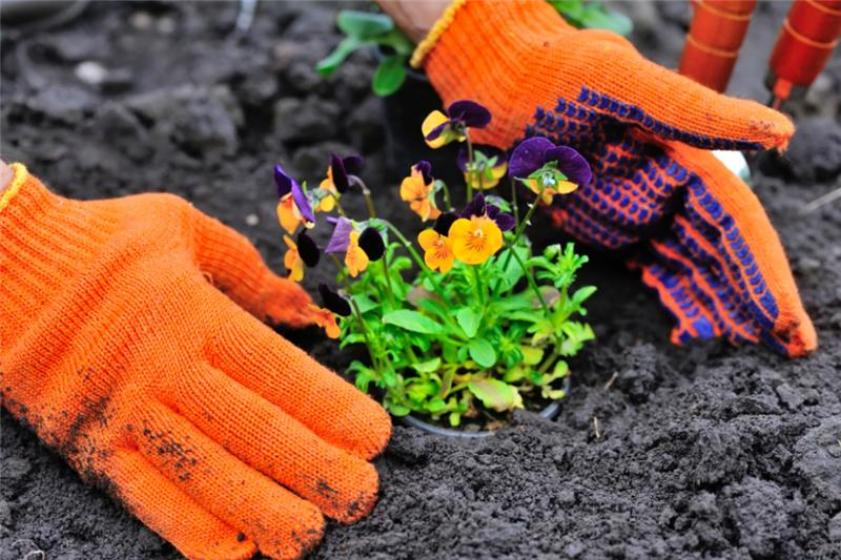
1. PLANTING YOUR GARDEN TOO DEEP –
This really happens often with trees, especially if they have a graft point, people often feel like that should be below ground. The proper way is to have the top of the root ball level or above grade of your ground. 2 – 4 inches of mulch on top is ok, but not excess soil. Planting too deep also happens in containers. You want no more than an inch of potting mix to the top of the root ball. We want the oxygen to move through the container, allowing the roots to grow deeply.
2. UNDER OR OVER WATERING –
Watering deeply and less often is the best way to water your plants. This helps develop a deeper root system and keeps your plants happy. Underwatering can cause roots to die, leaf edges can crisp and turn brown, and they can lose their vibrancy of color as well. Overwatering can completely rot the plant to the point where it can’t be saved. Try to avoid lumping the care of various plant types together and make sure you understand the specific care for the plant that you have so you can correctly water it.
3. WATERING OVER TOP OF PLANTS –
Watering the tops of plant leaves can cause fungus and disease issues. All plants absorb water through their roots, so they need to be watered at the base of the plant where the soil is. This is the same for indoor and outdoor plants.
4. MULCH MOUNTAINS –
Also known as mulch volcanoes – mulching high up on the trunk of a tree can cause moisture around the trunk that is supposed to dry out, therefore causing many issues to develop. Your mulch layer should be about 3 inches deep all the way around.
5. USING THE WRONG SOIL –
When planting in the ground you should use compost, perlite and your native soil. Potting soil has wetting agents that can cause issues in the ground. What can be even worse is taking your native soil out and replacing it with a potting soil. When the plant roots hit the native soil, it can act as a wall and the roots will wrap like it’s in a pot, this causes a slow decline for the plant. Alternatively, using topsoil or ‘garden soil’ in a container is too dense. The roots can not grow properly as the soil packs down. A well-draining, premium peat moss-based medium for most containers. Some plants also dictate what soil you use depending on their needs. But just remember: potting soil is for pots and topsoil, compost, and native soil is for in-ground plantings.
6. PRUNING SHRUBS AT THE WRONG TIME –
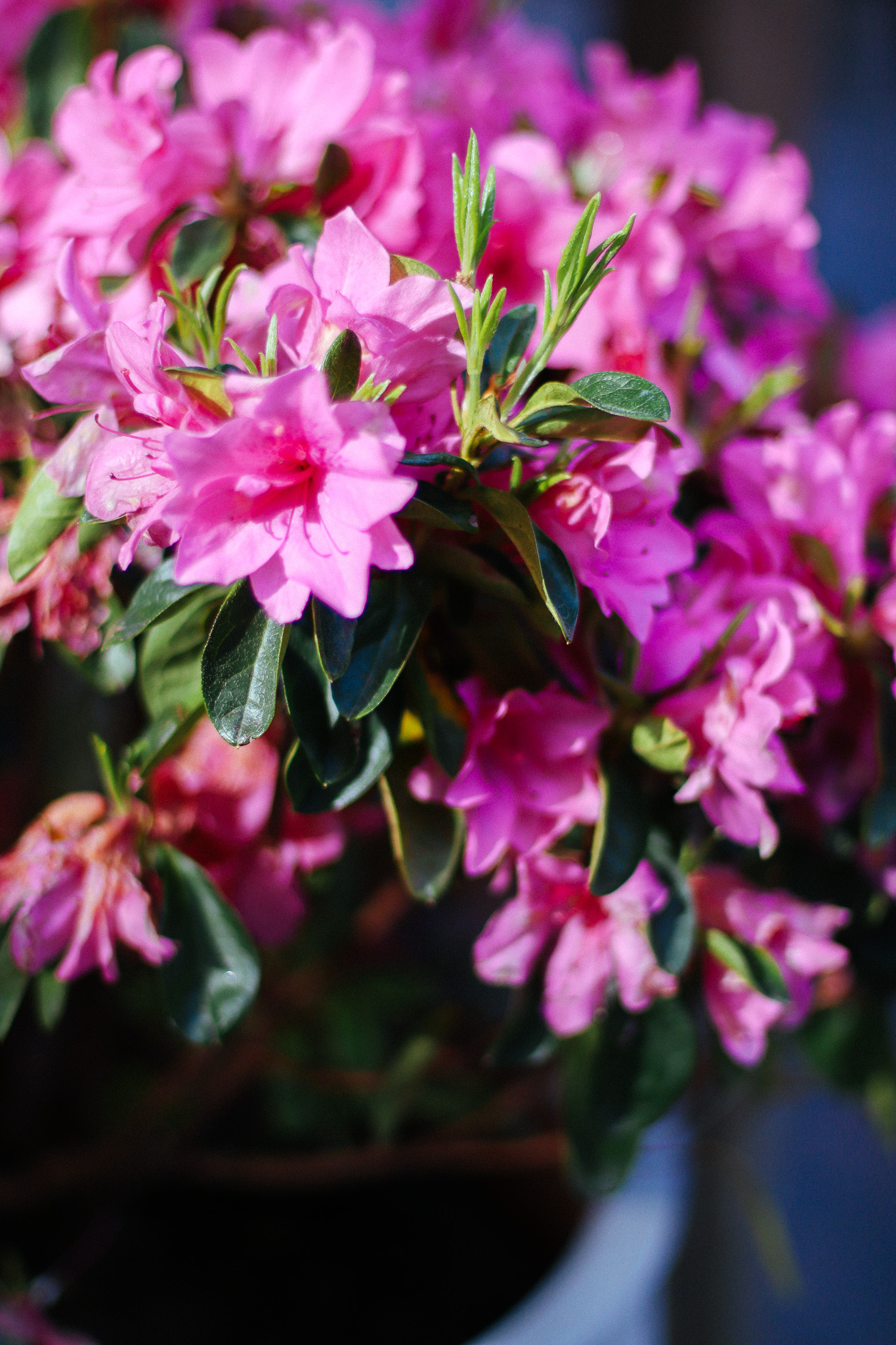
This is a huge issue with hydrangeas, azaleas, and camellias. If you prune at the wrong time, no blooms next year. If you want to know the best time to prune your shrubs, the Virginia Cooperative Extension is a great resource: click here.
7. PLANTING IN TOO MUCH SUN OR SHADE, TOO EARLY OR TOO LATE –
Make sure you are aware of the care of the plant you are planting. Many times plants are lumped together in similar care categories. Asking the experts is always a good idea, even if it’s just confirming what is on the identification tag.
8. NOT INVESTING IN YOUR SOIL –
With all plants, but especially trees, shrubs, and perennials that are going to live in the same spot, you plant them for the entirety of their life, you should invest in their home. For example, don’t plant a $1000 Japanese maple without investing in the soil. Amend your native soil, use bio tone starter and water deep and less often. This is also the case in containers. You would not want to plant a cactus or another houseplant in the same soil you would use for your outdoor plants. Instead, you would need to invest in a cactus mix or ask one of our Green Team members for a recommendation on a variety of soil agents that you can put together yourself to make the perfect top-grade combination.
9. PLANTING IN TOO BIG OR TOO SMALL CONTAINERS –
With too much excess soil in a pot, the plant that is potted can’t dry out and may eventually rot from being too wet. Alternatively, plants potted down from the pot they were purchased in can damage the roots, as well as not having enough soil and dry out too quickly. Best practice is to pot up 2 – 4 inches in diameter from the pot that the plant is already planted in. For example, if the plant has grown out of a 6 inch pot, we would recommend going up to an 8 – 10 inch diameter pot depending on the severity of growth.
10. CORRECTLY FERTILIZING/FEEDING –
Plants in containers are depleted of nutrients very quickly, it is important to add these nutrients back in. A plant that is properly fed is less susceptible to insects and disease. But, it is also possible to over-fertilize and “shock” your container plants. Make sure the measurements of dilution are correct for the plants you are watering.
For more information on gardening basics see The Basics & Beyond, 10 Must-Have Spring Gardening Essentials