You do not need a large vegetable garden to grow fresh, flavorful cole crops. This cool-season group includes broccoli, cabbage, cauliflower, kale, collards, and Brussels sprouts, many of which are available in compact or smaller-growing forms that fit beautifully into raised beds, containers, and small garden plots.
By choosing space-efficient plants and giving them the right care, even a small garden can produce an impressive harvest in spring and fall.
What Are Cole Crops?
Cole crops are members of the brassica family, a group of vegetables valued for their flavor, versatility, and nutritional benefits. Most grow best during cooler weather and can tolerate light frosts, making them excellent choices for early spring and autumn planting.
Because some cole crops form large heads or broad leaves, it helps to choose compact types when space is limited. Look for labels such as “dwarf,” “compact,” “mini,” “patio,” or “container-friendly.”
Broccoli
Compact broccoli is one of the best choices for small gardens. Many smaller-growing plants produce a main head followed by smaller side shoots, extending the harvest well beyond the first picking.
Give broccoli full sun, fertile soil, and consistent moisture. Harvest heads while the buds are still tight, then leave the plant in place to encourage additional side shoots.
Cabbage
Cabbage is often associated with large garden rows, but compact-heading types are well suited to raised beds and containers. Smaller heads are also convenient for home cooks, offering just enough for fresh meals without excess.
Cabbage needs plenty of sunlight, rich soil, and regular watering as heads develop. In a small bed, plant compact types close enough to make efficient use of space while still allowing good air circulation.
Cauliflower
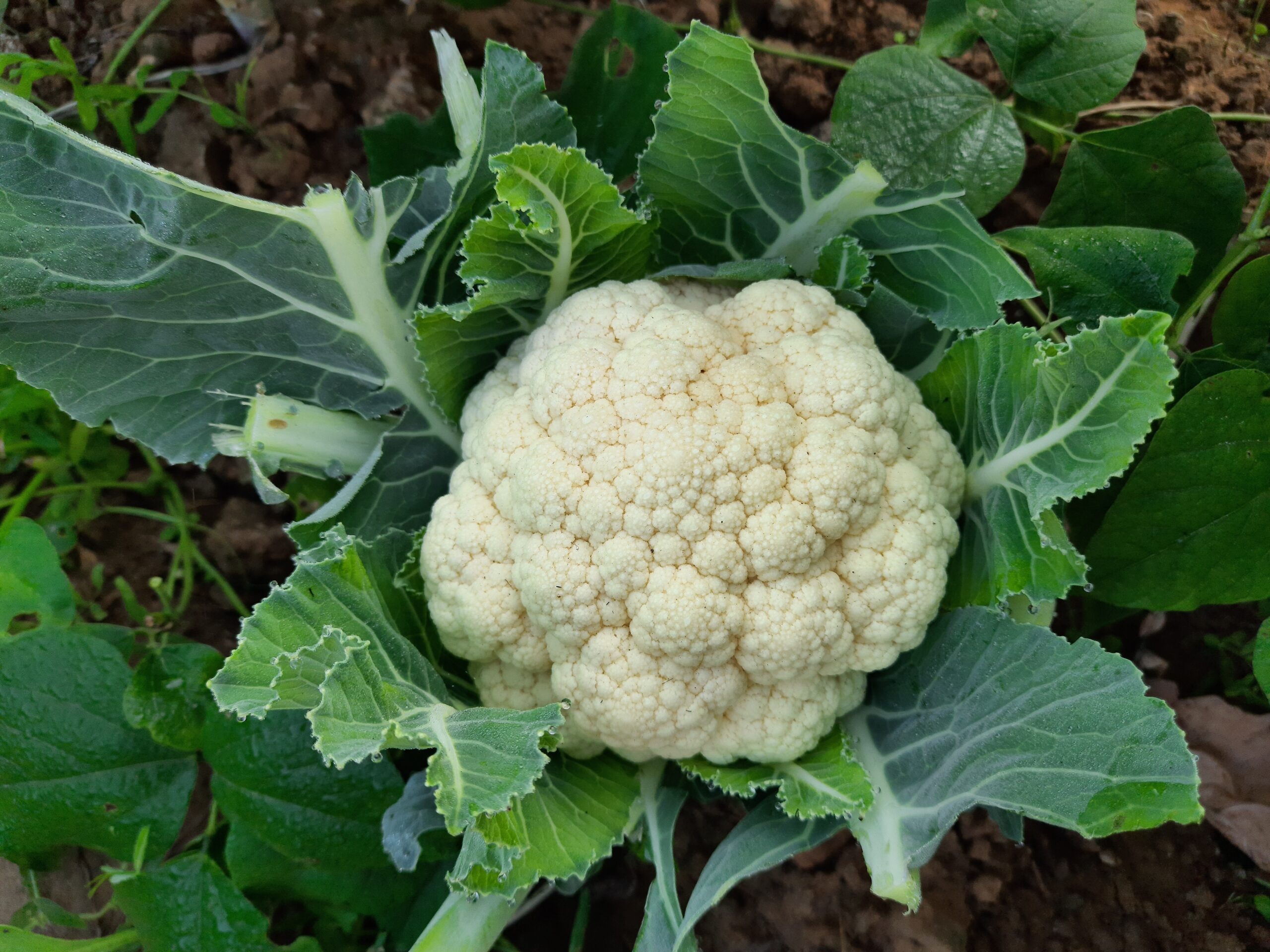
Cauliflower can be an excellent small-space crop when grown in compact forms. Its neat growth habit makes it a useful addition to an edible garden, especially in cool spring or fall weather.
The key to success is consistency. Keep the soil evenly moist, avoid major temperature swings when possible, and provide plenty of nutrients. A layer of mulch can help maintain cool, moist soil around the roots.
Kale and Collards
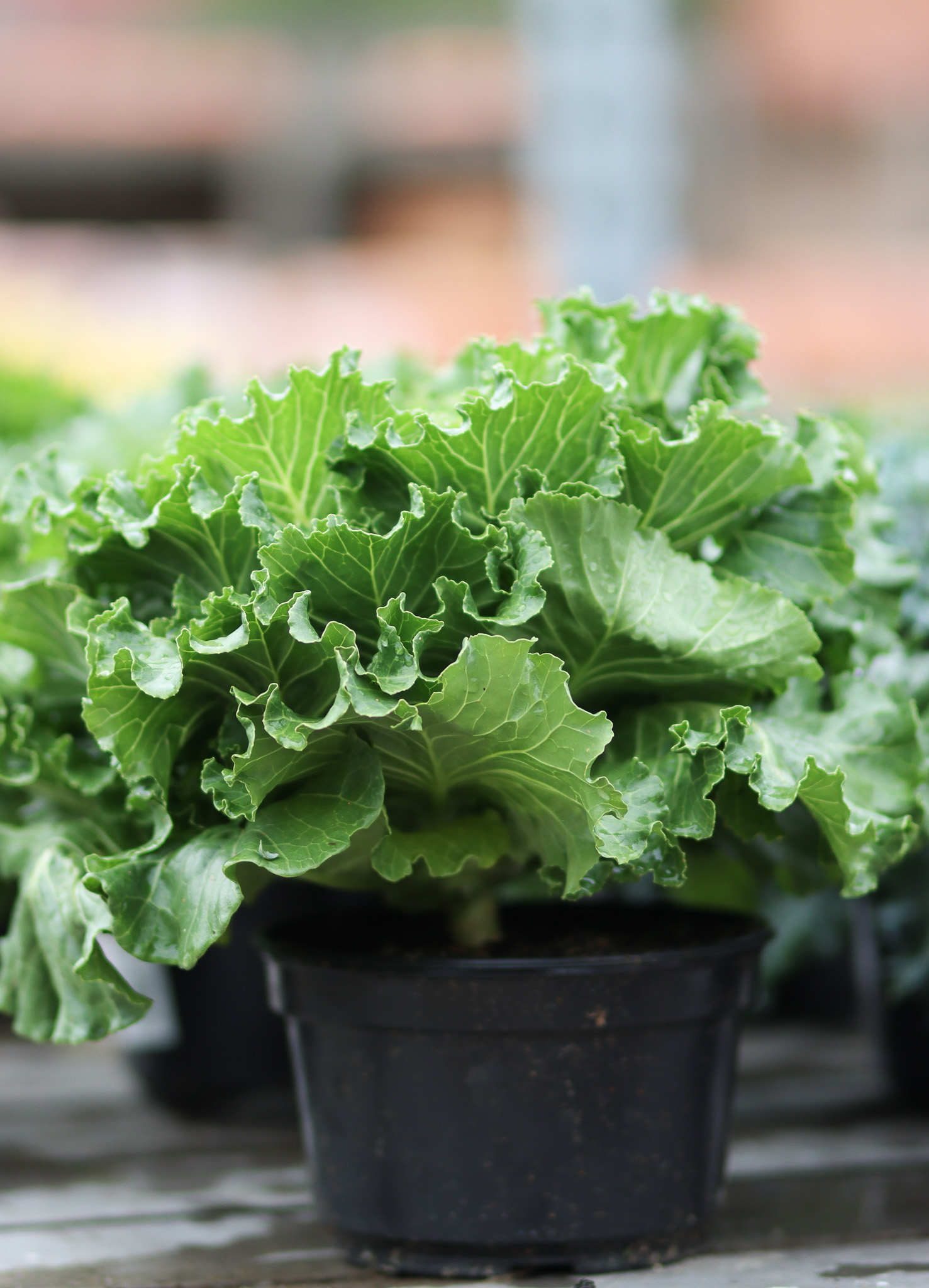
Kale and collards deliver one of the best harvests for the space they occupy. Rather than waiting for a single head to mature, gardeners can harvest individual leaves over several weeks.
Compact kale and collard plants work well in containers, borders, and mixed edible plantings. Pick the lower, outer leaves first and let the center continue growing for a steady supply of greens.
Brussels Sprouts
Brussels sprouts generally require a longer growing season, but compact plants make this distinctive crop more practical for limited garden space. The sprouts form along a central stalk, creating a vertical element in the vegetable garden.
Because these plants can grow tall, place them where they will not shade shorter crops. Cool weather improves their flavor, so they are especially rewarding in fall gardens.
Small-Space Growing Tips
A few simple practices can make a major difference in a compact garden:
- Choose compact, dwarf, or container-friendly cole crops.
- Grow in full sun whenever possible.
- Use rich, well-draining soil amended with compost.
- Keep the soil consistently moist but not waterlogged.
- Plant in succession for a longer harvest season.
- Use row covers to help protect plants from cabbage worms and flea beetles.
- Harvest leafy crops often to encourage new growth.
- Use containers that are at least 12 inches deep for most compact plants.
Big Harvests From Small Gardens
Cole crops are proof that limited space does not have to mean limited harvests. Broccoli, cabbage, cauliflower, kale, collards, and Brussels sprouts can all earn a place in a compact garden with thoughtful plant selection and care.
If you’re filling a raised bed, planting a patio container, or adding edibles to a small landscape, these cool-season favorites bring beauty, variety, and plenty of fresh food to the garden. To stay inspired and grow with us online, follow us on Facebook, Instagram, Pinterest, and TikTok to explore more gardening tips and ideas.