The Pollinator Garden
Help Mother Nature open up pollinator hotel in your yard.
by Kathy Van Mullekom, a lifelong gardener and gardening writer living in York County, Virginia
My backyard perennial garden is my pollinator hotel.
In April, the garden comes alive with the sights and sounds of pollinators, including honeybees, bumblebees, butterflies, moths and flies. I love walking through the large, oddly-shaped garden – about 50 feet long and 30 feet wide — even when bees buzz about the bee balm, mountain mint and salvia (black and bue salvia pictured above). I have no fear of the bees because I move slowly, watching them with amusement while they collect pollen and basically ignore me. To me, their collective humming is some of the best garden music I can enjoy, and I would never do anything to make them feel threatened.
The garden is always filled with milkweed for the yellow, black and white caterpillars that turn into magnificent monarchs. Fortunately, the caterpillars and adult monarchs are poisonous to birds that may like to feed on them, thanks to toxins found in milkweed plants, which belong to the Asclepias family.
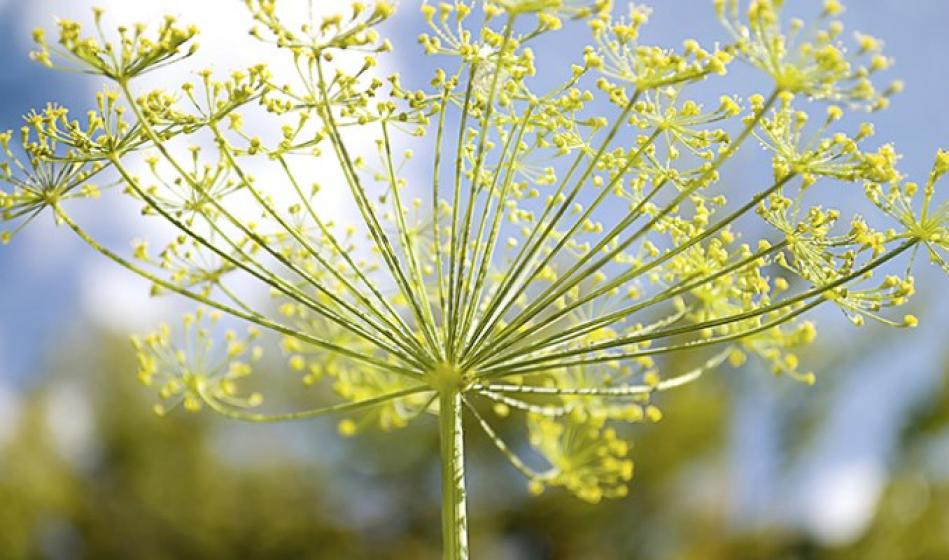
I also plant fennel (pictured above), dill, parsley and Queen Anne’s lace as food for the larval/host plants for the eastern black swallowtail butterfly.
My garden also supports the needs of pollinator flies and moths, all important contributors to the cycle of life.
To attract pollinators, I plant an assortment of blooming plant material, types that start in early spring and go through late fall. Even in winter, pollinators come out on warm days when it’s about 60 degrees, looking for food sources among cold-weather flowering plants like pansies, hellebores and camellias.
My pollinator garden is designed to be densely planted with flowers growing in clumps that continuously drift into each other. There’s an assortment of flower colors, although I confess purples, yellows and oranges are my favorites. Along the edge of the bed, I plant a huge wave of purple petunias that butterflies love to frequent.
Whenever possible, I use native plants, but I weave in many nonnatives, including Brazilian verbena, Verbena bonarensis – it never stops flowering and attracts bees and butterflies to its delicate flower heads and finches to its seed heads.
In my book, there is no bad perennial if a pollinator has a passion for it.