There’s nothing quite like seeing butterflies, bees, and hummingbirds enjoying your garden. These important pollinators do more than add life and movement to the landscape. They help support healthy blooms, productive harvests, and thriving ecosystems throughout Coastal Virginia.
One of the best ways to attract and support these essential creatures is by planting native plants. Because they evolved alongside local wildlife, native plants provide the nectar, pollen, seeds, and habitat that pollinators depend on throughout their life cycles.
If you’re gardening in Virginia Beach, Chesapeake, Norfolk, Suffolk, Newport News, Williamsburg, or anywhere in Hampton Roads, these native plants can help turn your yard into a pollinator paradise.
Why Choose Native Plants?
Native plants are naturally adapted to our region’s climate, rainfall patterns, and soil conditions. More importantly, native plants support local wildlife in ways many ornamental plants cannot. Native bees often rely on native flowers for pollen, while many butterfly species need specific native plants as host plants for their caterpillars.
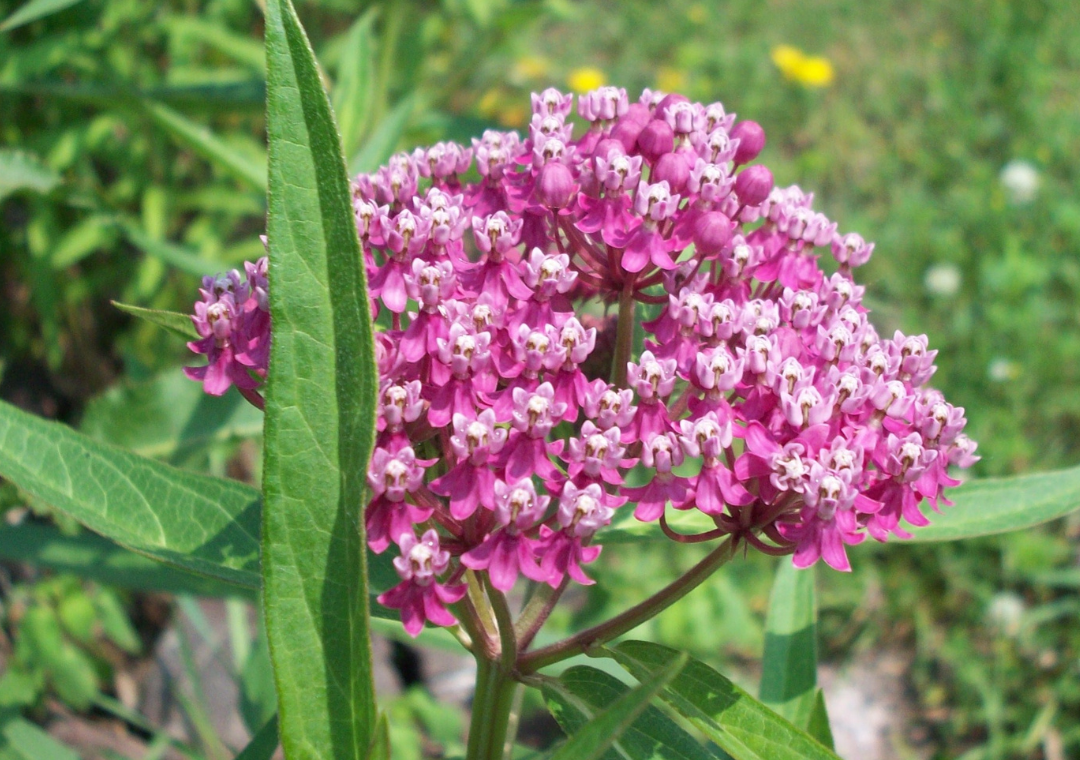
1. Swamp Milkweed (Asclepias incarnata)
If you’re hoping to attract monarch butterflies, swamp milkweed deserves a place in your garden.
This Virginia native serves as both a nectar source and a host plant for monarch caterpillars. Its fragrant pink blooms appear in summer and attract a wide variety of pollinators, including bees and hummingbirds.
Best Growing Conditions:
- Full sun
- Moist to average soil
- Blooms midsummer through late summer
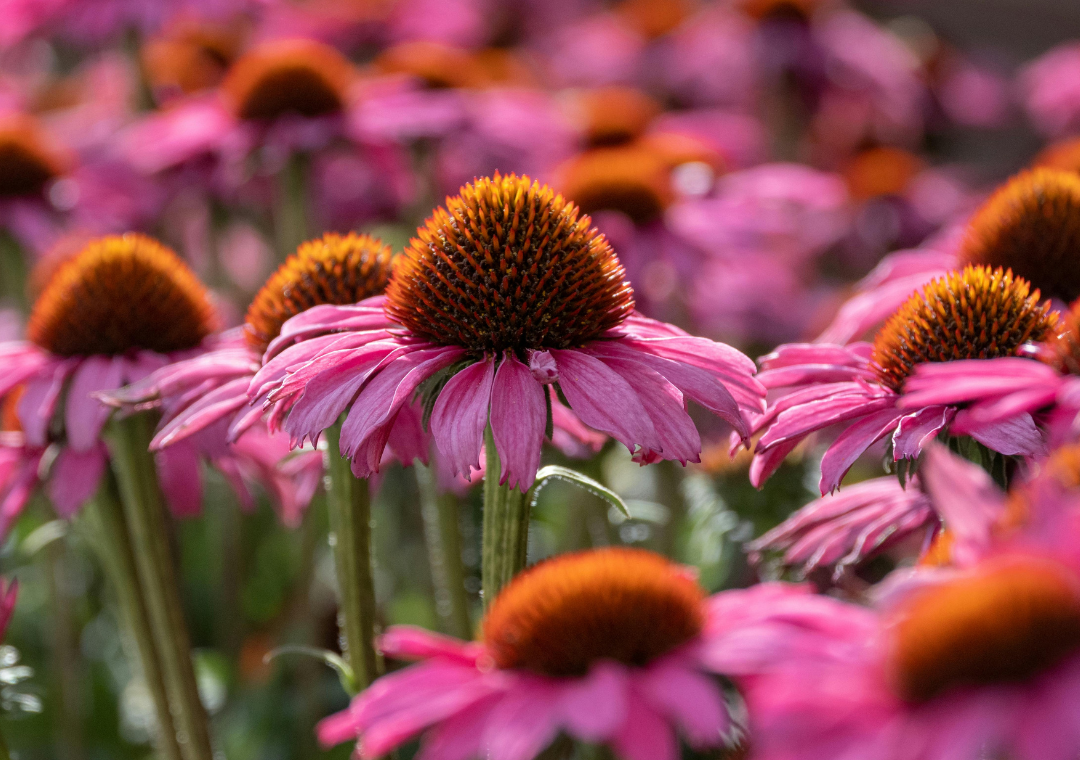
2. Purple Coneflower (Echinacea purpurea)
A pollinator favorite and a garden classic, purple coneflower provides nectar for butterflies, bees, and beneficial insects throughout summer.
Its long-lasting blooms add color to the landscape, while the seed heads provide food for birds later in the season.
Best Growing Conditions:
- Full sun
- Well-drained soil
- Drought tolerant once established
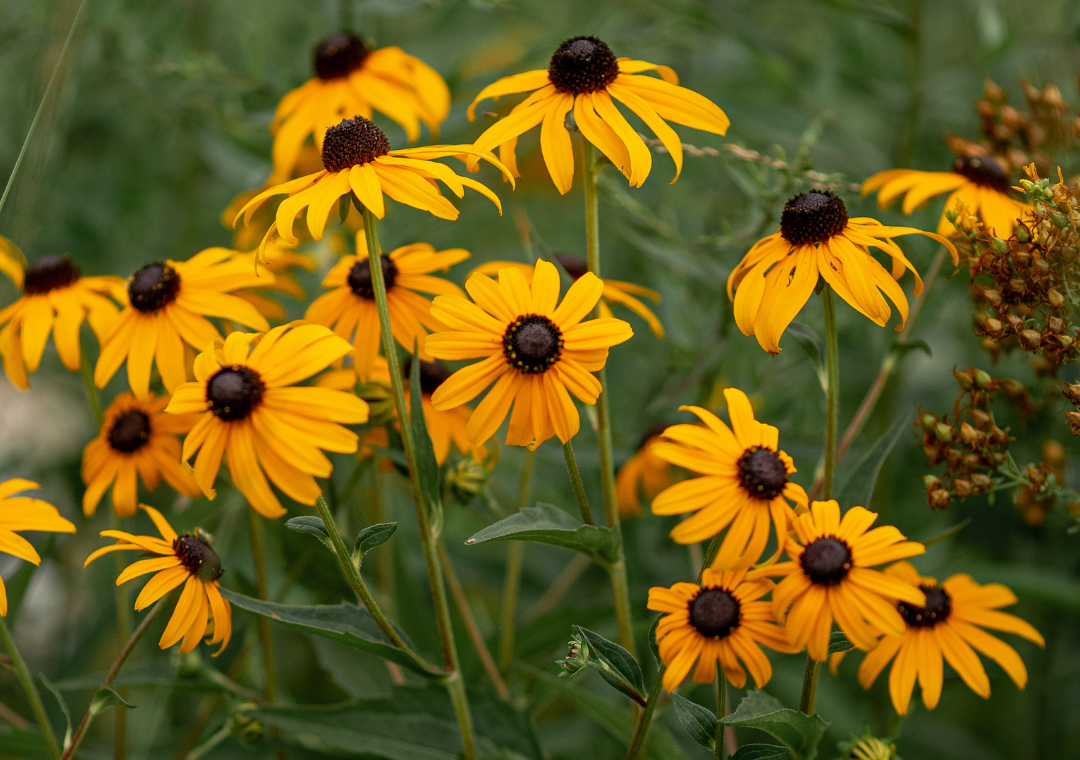
3. Black-Eyed Susan (Rudbeckia hirta)
This cheerful native wildflower delivers months of bright yellow blooms that attract native bees, butterflies, and other pollinators.
Black-Eyed Susans thrive in Coastal Virginia’s summer heat and often reseed naturally, creating larger pollinator-friendly plantings over time.
Best Growing Conditions:
- Full sun
- Average soil
- Heat and drought tolerant
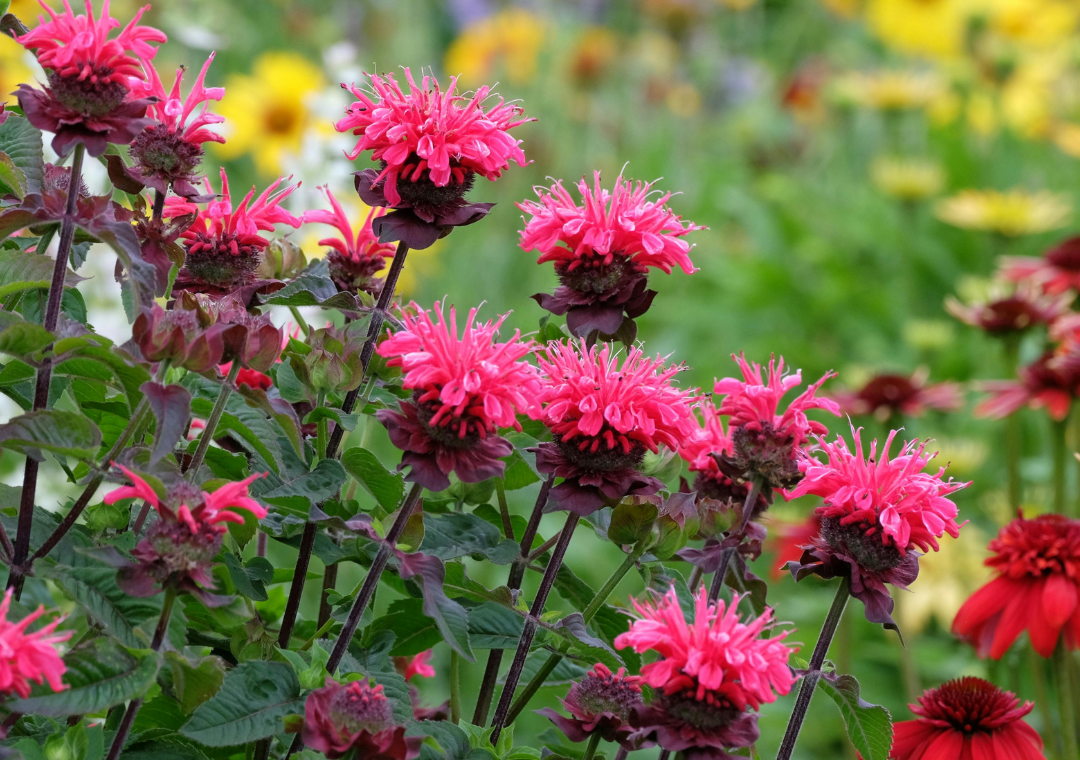
4. Bee Balm (Monarda didyma)
The name says it all.
Bee balm is a magnet for pollinators, especially hummingbirds, butterflies, and native bees. Its vibrant red, pink, or purple blooms create a striking display during the summer months.
Many gardeners find bee balm especially valuable because it attracts a wide variety of pollinator species at the same time.
Best Growing Conditions:
- Full sun to part sun
- Moist, well-drained soil
- Good air circulation
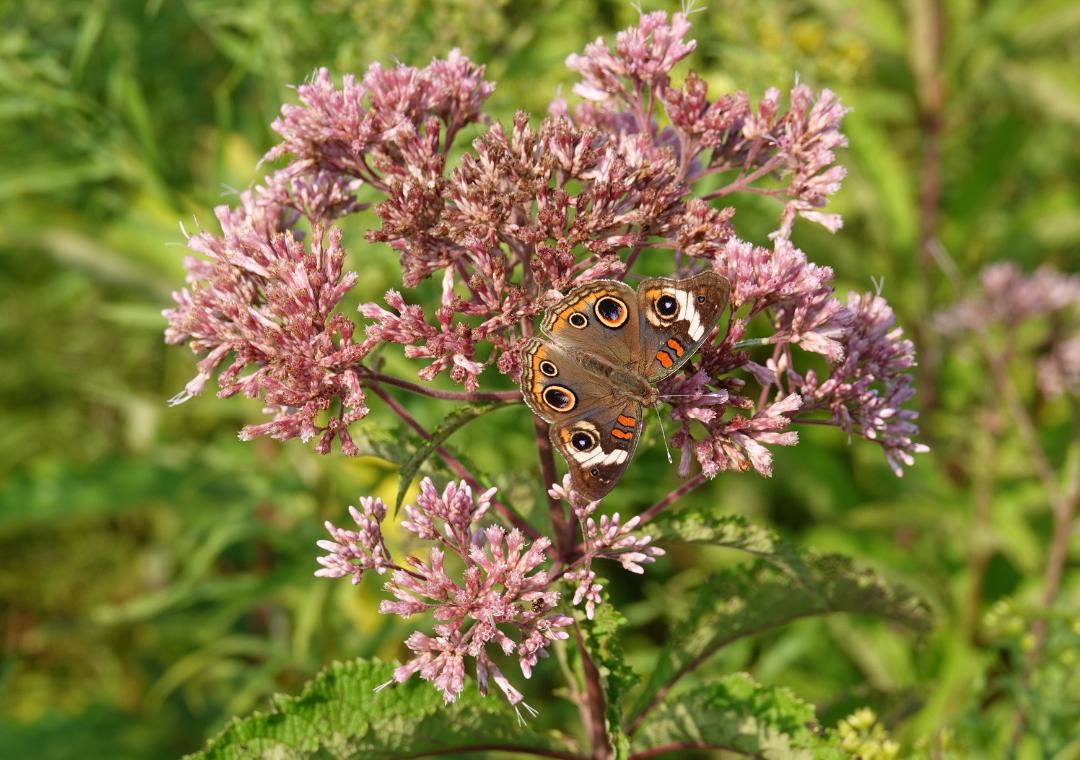
5. Joe-Pye Weed (Eutrochium purpureum)
Don’t let the name fool you. Joe-Pye Weed is one of the most impressive native pollinator plants you can grow.
Its large clusters of mauve-pink flowers tower above many garden plants and attract butterflies by the dozens. Swallowtails, monarchs, and native bees are frequent visitors.
Best Growing Conditions:
- Full sun to part sun
- Moist soil
- Excellent for rain gardens
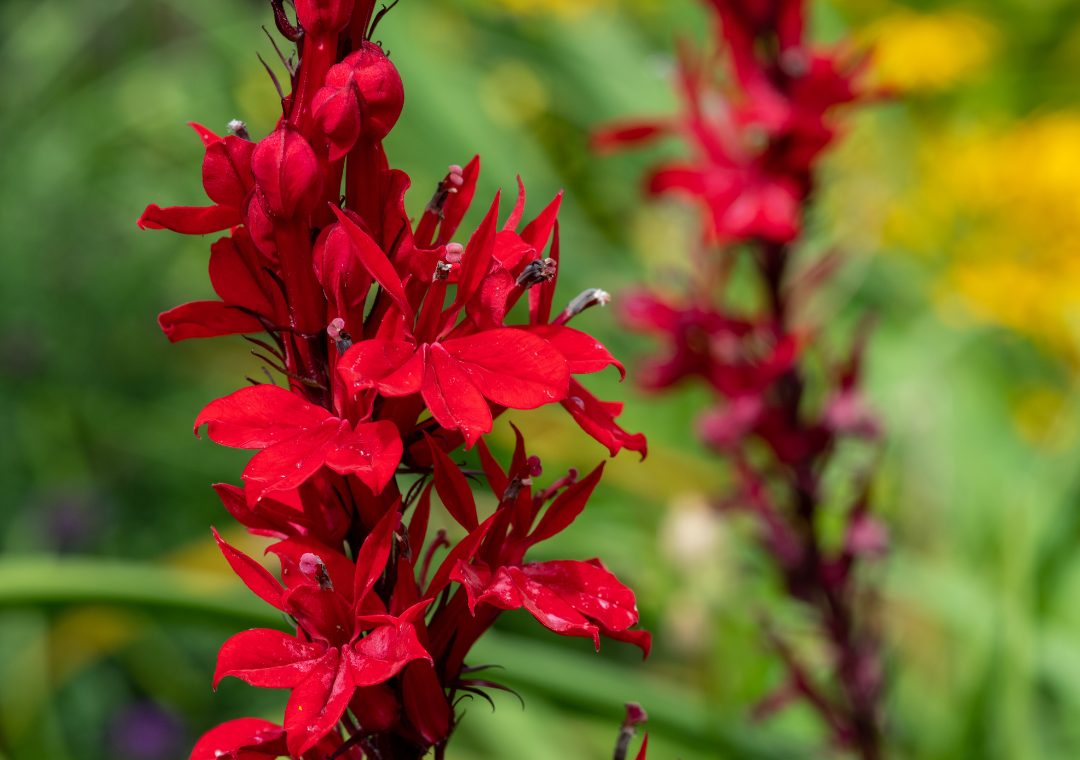
6. Cardinal Flower (Lobelia cardinalis)
For gardeners hoping to attract hummingbirds, cardinal flowers are hard to beat.
Its brilliant red flower spikes bloom in late summer when hummingbirds are actively feeding and preparing for migration. The dramatic blooms also attract butterflies and native bees.
Best Growing Conditions:
- Full sun to part shade
- Consistently moist soil
- Great near ponds and water features
Create a Pollinator Garden That Works Year-Round
The most successful pollinator gardens provide blooms from early spring through late fall. By combining native plants with different bloom times, you can ensure pollinators always have access to food.
For even greater impact:
- Include host plants for butterfly caterpillars.
- Provide shallow water sources.
- Leave some garden areas natural for nesting and overwintering insects.
- Plant in groups or drifts to make flowers easier for pollinators to find.
Find Pollinator-Friendly Plants at McDonald Garden Center
Creating a pollinator-friendly landscape doesn’t require a complete garden makeover. Even adding a few native plants can make a meaningful difference for local wildlife.
Visit McDonald Garden Center to explore our selection of pollinator-friendly plants, including native perennials, shrubs, annuals, and host plants that help support butterflies, bees, hummingbirds, and other beneficial garden visitors throughout Coastal Virginia.
Your garden can be beautiful, colorful, and an important part of helping pollinators thrive. To stay inspired and grow with us online, follow us on Facebook, Instagram, Pinterest, and TikTok to explore more gardening tips and ideas.