When most people think about planting a food garden, spring is usually the first season that comes to mind. But late summer and fall can be some of the best times to grow fresh vegetables, herbs, and greens.
As summer crops begin to slow down, cooler temperatures create an opportunity for a second round of planting. The trick is knowing what needs to go into the ground now and which crops can wait until temperatures drop a little more.
Here’s how to plan your fall food garden and make the most of the growing season ahead.
Start With Your First Frost Date
Before deciding what to plant, find your area’s average first frost date. Then look at the days to maturity listed on seed packets or plant tags.
If a vegetable takes 50 days to mature and your first frost is approximately 70 days away, you likely still have time to grow it. Give yourself a little extra breathing room, though. As the days become shorter in fall, plants often grow more slowly than they do during the long days of spring and summer.
What to Plant Now
Late summer is the time to get slower-growing fall vegetables established. These crops need enough time to mature before cold weather settles in.
Broccoli, Cauliflower & Cabbage
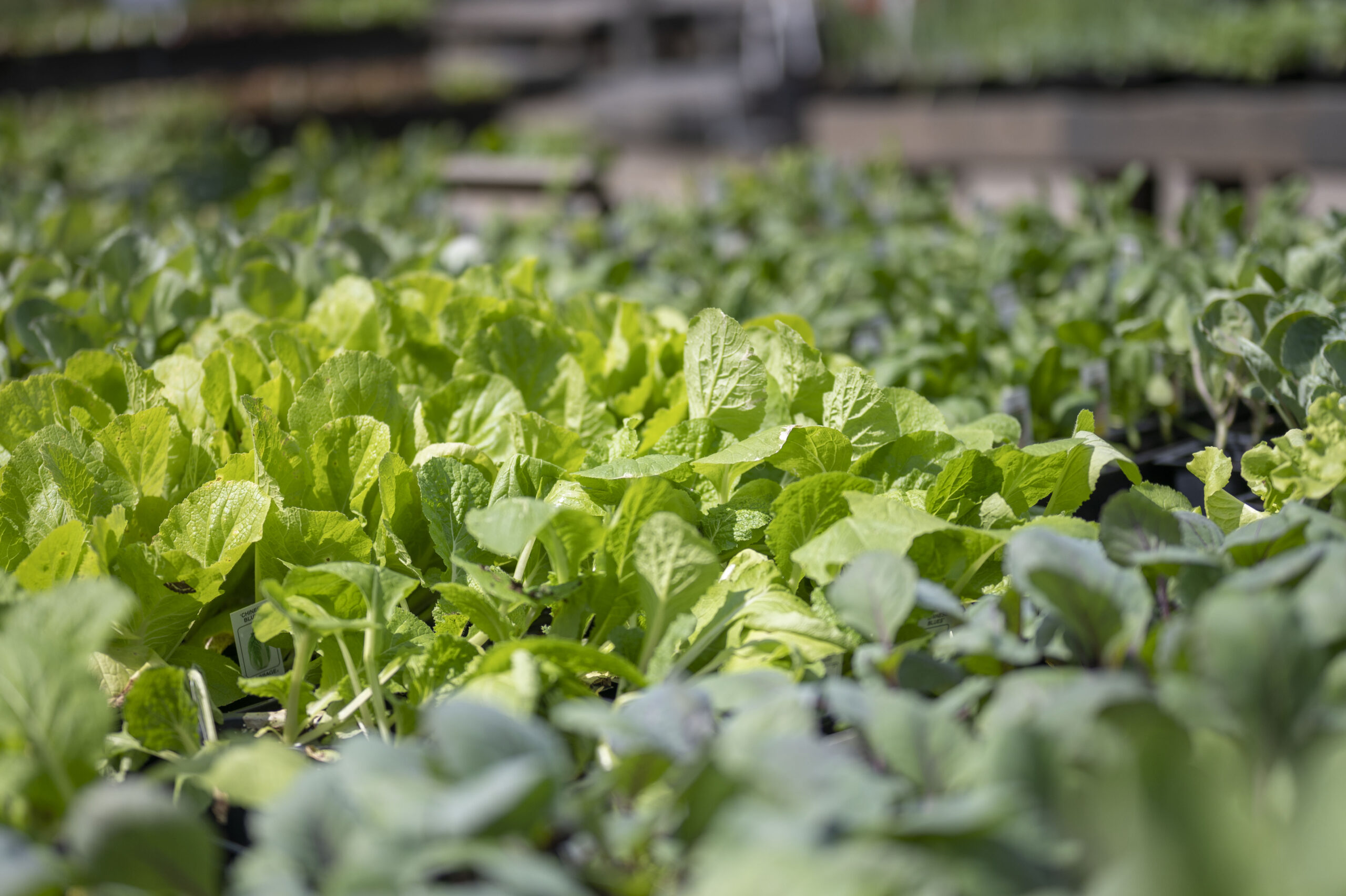
These cool-season favorites appreciate the milder temperatures of fall, but they need time to grow. Transplants are often the easiest option when planting later in the season because they give you a head start compared with seeds.
Give plants plenty of room and keep them consistently watered while late-summer temperatures are still high.
Carrots
Sow seeds directly into loose, well-prepared soil and keep the surface consistently moist while they germinate. Since carrots can take a while to mature, earlier planting generally means a better harvest.
Fall carrots can be especially sweet because cooler temperatures help concentrate their sugars.
Beets
Beets are another excellent crop to start now. As a bonus, you get two harvests from one plant: tender beet greens and the roots themselves.
Direct sow seeds and thin seedlings as they grow so the roots have room to develop.
Kale & Collards
Kale and collard greens thrive in cooler weather, and established plants can tolerate light frosts. In fact, their flavor often improves after exposure to chilly temperatures.
Start them from seed if your season is long enough, or use transplants for a faster harvest.
Swiss Chard
Swiss chard handles both late-summer warmth and cooler fall temperatures, making it a useful crop for the transition between seasons. Harvest the outer leaves as needed and allow the center of the plant to continue producing.
What Can Wait a Little Longer
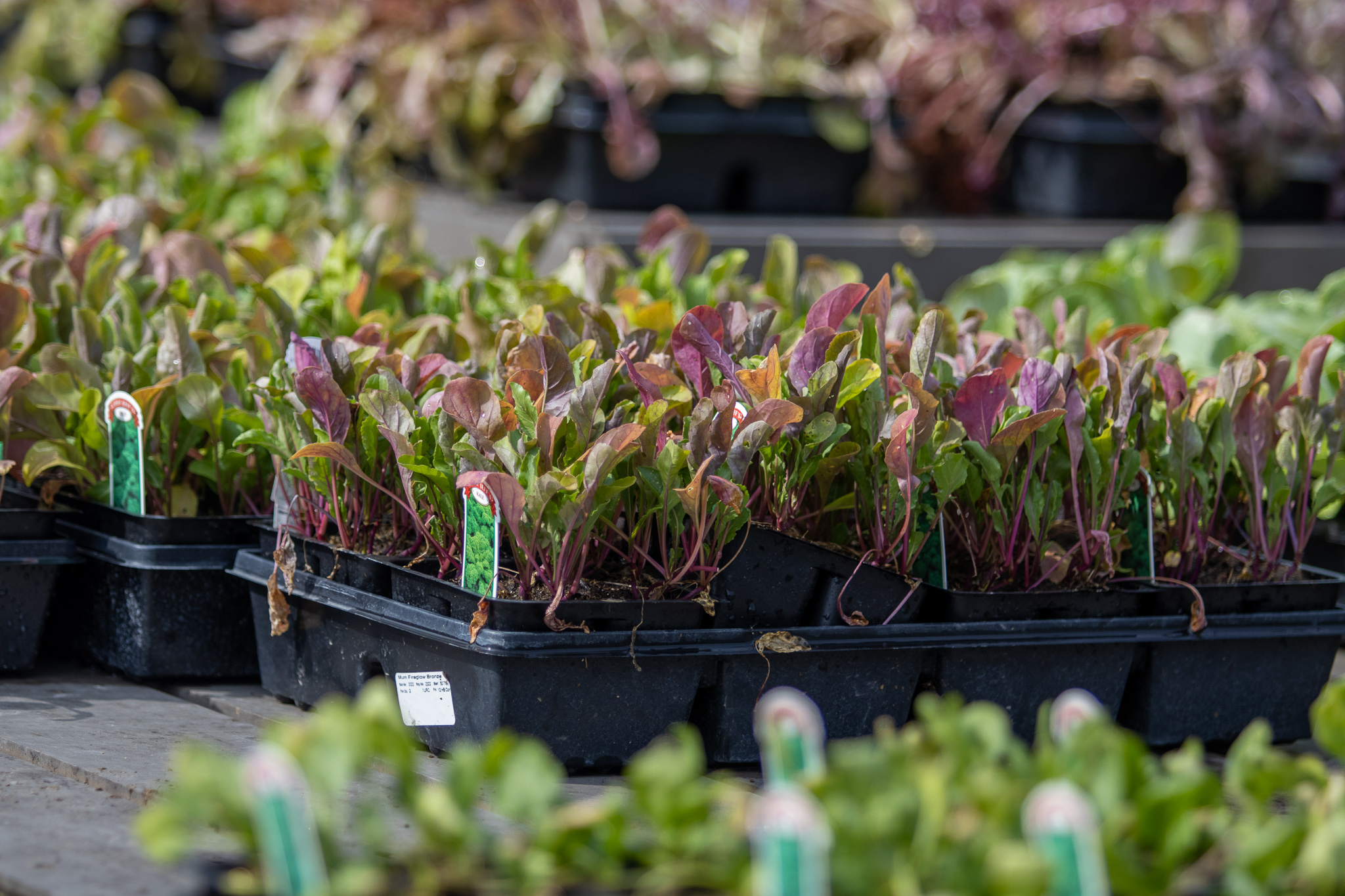
Not everything needs to be planted immediately here in August. We have fresh cole-crops arriving throughout September into October at our stores These fast-growing greens and cool-loving vegetables can often wait until temperatures begin to moderate a little bit more if you want to start your early fall veggies first.
Lettuce
Lettuce prefers cooler conditions, and excessive heat can make germination difficult or cause plants to bolt.
If your garden is still experiencing hot summer weather, wait for a cooler stretch or start seeds somewhere protected from intense afternoon sun. Once temperatures become more comfortable, sow additional rounds every couple of weeks for an extended harvest.
Spinach
Spinach loves cool weather and can tolerate surprisingly chilly conditions once established. In many climates, waiting until late summer heat begins to fade will give you better germination and healthier plants.
Radishes
There’s no need to rush radishes. Many varieties mature in only three to five weeks, making them perfect for filling small gaps in the fall garden.
Plant a small batch at a time and repeat every week or two for a steady harvest.
Arugula & Other Quick Greens
Arugula, mustard greens, baby kale, and Asian greens such as mizuna and tatsoi are excellent choices for cooler weather. Because many can be harvested young, you don’t necessarily need a long growing window.
Don’t Pull Out the Summer Garden Too Soon
Planning a fall garden doesn’t mean clearing everything out at once.
Tomatoes, peppers, eggplants, cucumbers, herbs, and other warm-season crops may continue producing for weeks if they’re healthy. Instead of starting over, look for unused spaces where fall crops can gradually move in.
Remove plants that have stopped producing or are struggling with pests or disease, refresh the soil with compost, and use those spaces for your first fall plantings.
This gradual transition lets you keep harvesting summer favorites while your fall garden gets established.
Succession Plant for a Longer Harvest
One of the easiest ways to avoid having 20 heads of lettuce ready on the same day is succession planting.
Instead of planting an entire seed packet at once, sow smaller amounts every one to three weeks. This works particularly well for:
- Lettuce
- Radishes
- Arugula
- Spinach
- Cilantro
- Baby greens
As one planting reaches harvest size, another is coming along behind it.
Give New Plants Extra Attention
Fall crops may love cool weather, but many of them have to get through late-summer heat first.
New seeds and transplants can dry out quickly, so check soil moisture frequently. A light layer of mulch can help retain moisture and moderate soil temperatures. Temporary shade cloth can also protect young plants during especially hot afternoons.
Once temperatures cool, maintaining the garden usually becomes much easier.
Keep Some Seeds in Reserve
It can be tempting to plant everything as soon as fall gardening season arrives, but saving seeds for later gives you flexibility.
Weather rarely follows a perfect schedule. An unusually hot September may delay spinach, while a mild autumn could give you several additional weeks of growing time.
Think of the fall garden as a series of plantings rather than one big planting day.
A Fall Garden Is Worth the Extra Planting
By late summer, it’s easy to feel like the gardening season is winding down. In reality, another season is just beginning.
Fall gardens often come with fewer weeds, fewer heat-related stresses, and plenty of vegetables that actually taste better after temperatures cool. With a little planning now, and a few seeds saved for later, you can keep fresh food coming from your garden long after summer crops begin to fade.
So before you put away the seed packets and gardening gloves, take another look at your growing space. There may be plenty of gardening season left. To stay inspired and grow with us online, follow us on Facebook, Instagram, Pinterest, and TikTok to explore more gardening tips and ideas.