A Change is Gonna Come: Why Leaves Change Their Color
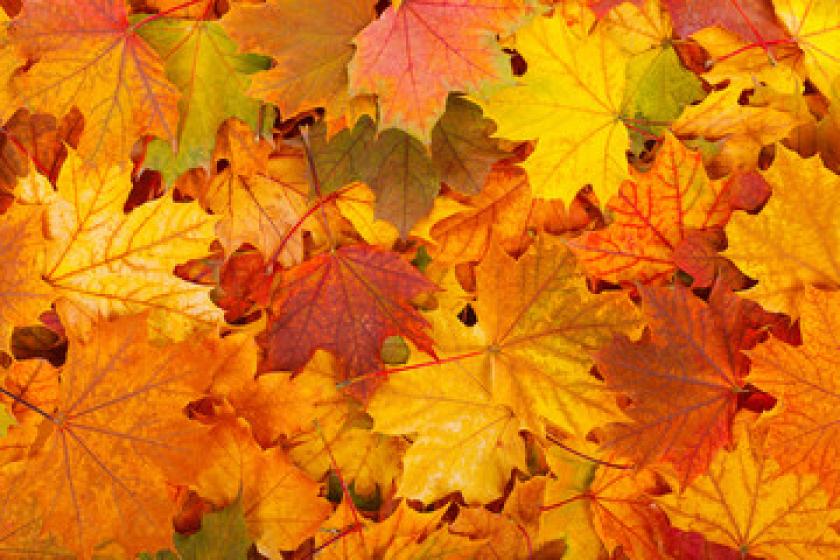
Today is the first day of autumn and with the change in season comes the marvelous display of colored leaves that splash warm hues of splendor across our landscape. This flaring of foliage, like a peacocks’ prideful parade of feathers, is not just happenstance. There is actually a science behind the beauty of why leaves change their color in preparation for winter.
What You Probably Already Know:
Remember in 3rd grade when you learned about the magic of photosynthesis and realized that by converting sun, water, and carbon dioxide into sugar, trees actually make food? Besides the fact that a living thing can survive on something other than Lunchables is already pretty impressive to a kid, but the deeper we delved into the subject, we learned that chlorophyll, the stuff that turns the leaves green, is made and broken down all summer season.
What You May Not Know:
Winter cold brings photosynthesis to a standstill. No more Lunchables for the tree. Like a procrastinating bear who forgot to forage his berries for hibernation, our rooted friends get creative and redistribute all the leftover food into the roots, branches, and trunk for storage over the winter. Then chlorophyll packs a little green suitcase and heads to his timeshare until next spring.
OK, so when do the pretty colors start?
All right, all right, we’re getting to that. So while that green pigment is off jet skiing in Miami, the carotenoids make their grand entrance. Miss the carotenoids category on Jeopardy? No problem. Carotenoids are the brilliant orange and yellow pigments that have been in the leaf the whole time, but were covered up by that scene stealing chlorophyll. You may have seen carotenoids in other roles though, like making carrots orange and bananas yellow. The red leaves get their rouge from anthocyanins and are not produced until the fall. These vibrant pigments, who make strawberries red, are more likely to be seen in autumns that are more sunny with higher temperatures.
I get it from my mama:
Like baby doll curls, a sharp nose, or fancy freckles, the color a trees’ leaves change is actually part of their DNA. Baldcypress turns a magnificent orange red, while Red Maple can be either a deep red or yellow. A favorite at McDonald Garden Center, Japanese Maples have a brilliant hue all year, but some have a reddish-purple tone as winter approaches that turns it into a showstopper.
So as you cruise the interstate (or find yourself stuck in a world-famous Hampton Roads traffic jam) take a second to enjoy the splendor of the season and bask in the beauty that has been bestowed. Happy fall y’all!