Winter may feel like the quiet season in the garden, but it’s actually one of the most important times to shape the future of your landscape. With many shrubs dormant or slowing their growth, winter pruning allows you to see plant structure clearly, remove problems early, and encourage healthier growth come spring.
The key to successful winter pruning is understanding that not all shrubs should be treated the same. Making the right cut depends on when a shrub blooms, how it grows, and what you want it to do next season.
Why Winter Is Prime Time for Pruning
For many shrubs, winter is the ideal season to prune because:
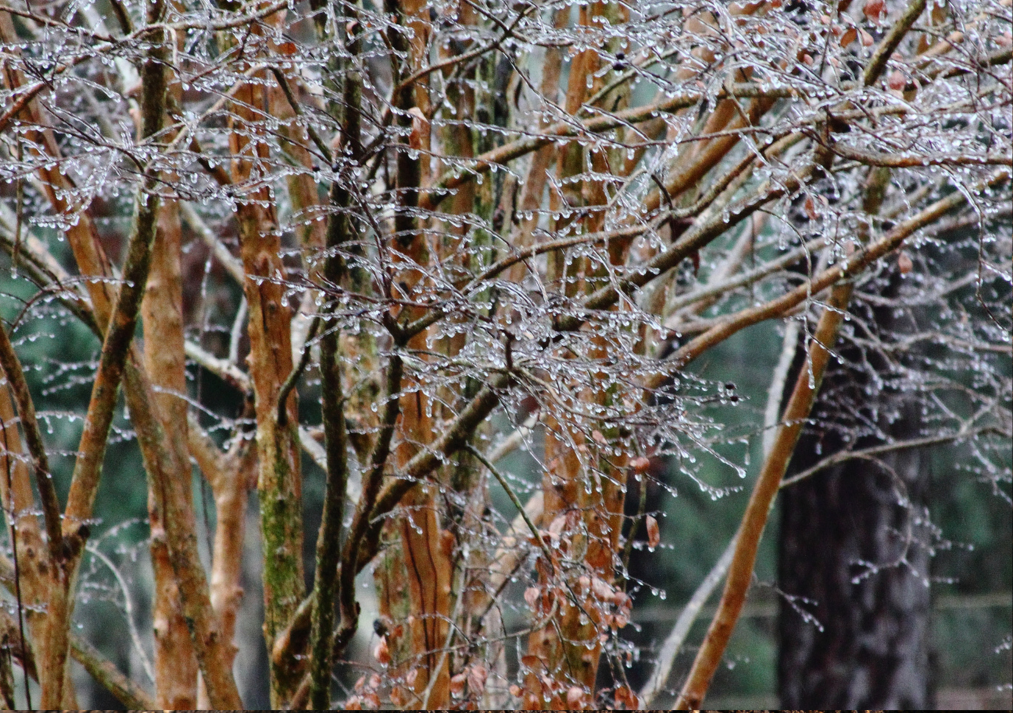
- Structure is easy to see: With leaves gone, crossing branches, weak growth, and crowded areas are more obvious
- Plants experience less stress: Dormant shrubs can focus energy on healing cuts rather than supporting foliage
- Improved airflow: Reduces disease pressure once growth resumes
- Better spring performance: Thoughtful cuts now lead to stronger branching and fuller growth
Winter pruning is about working with a plant’s natural growth cycle, not against it.
Understanding Bloom Time: New Wood vs. Old Wood
Before making any cuts, it’s critical to know whether a shrub blooms on new wood or old wood. If you’ve ever pruned a shrub and wondered why it didn’t bloom the next season, the answer often comes down to new wood versus old wood. These terms simply describe when a plant forms its flower buds.
What Is Old Wood?
Old wood refers to growth that formed during the previous growing season. Shrubs that bloom on old wood set their flower buds months in advance, often in late summer or fall. Those buds sit on the plant through winter and open the following spring.
If these shrubs are pruned in winter, you’re likely cutting off the buds that would have become flowers.
Common old-wood bloomers include azaleas, camellias, lilacs, and forsythia.
What Is New Wood?
New wood is the fresh growth a plant produces during the current growing season. Shrubs that bloom on new wood form their flower buds after spring growth begins.
Because their buds haven’t formed yet, these shrubs can be pruned in winter without affecting bloom. In fact, winter pruning often encourages stronger growth and better flowering.
Examples include panicle hydrangeas, smooth hydrangeas, butterfly bush, and rose of Sharon.
Why This Matters for Winter Pruning
- New wood bloomers produce flowers on growth made in the current season. These shrubs can typically be pruned in winter without sacrificing blooms.
- Old wood bloomers set their flower buds the season before. Pruning these shrubs in winter removes those buds and next season’s flowers.
This distinction is the foundation of smart winter pruning.

Shrubs That Benefit from Winter Pruning
These shrubs bloom on new wood and respond well to winter pruning:
- Crepe myrtle
- Panicle hydrangea (Hydrangea paniculata)
- Smooth hydrangea (Hydrangea arborescens)
- Butterfly bush
- Roses
- Abelia
- Summer-blooming spirea
Winter pruning helps control size, improve shape, and encourage vigorous flowering once warm weather arrives.
Shrubs to Leave Alone Until After Bloom
Many common landscape shrubs should not be pruned in winter because they bloom on old wood. These include:
- Azaleas
- Camellias
- Forsythia
- Lilac
- Oakleaf hydrangea
- Weigela
For these plants, wait to prune immediately after flowering. Pruning later in the season risks removing next year’s buds.
Winter Pruning Tips for Best Results
Keep these guidelines in mind when pruning shrubs during winter:
- Focus first on dead, damaged, or diseased wood
- Remove crossing or rubbing branches that can cause wounds
- Step back often to evaluate shape and balance
- Avoid removing more than 25–30% of a shrub’s total growth in one season
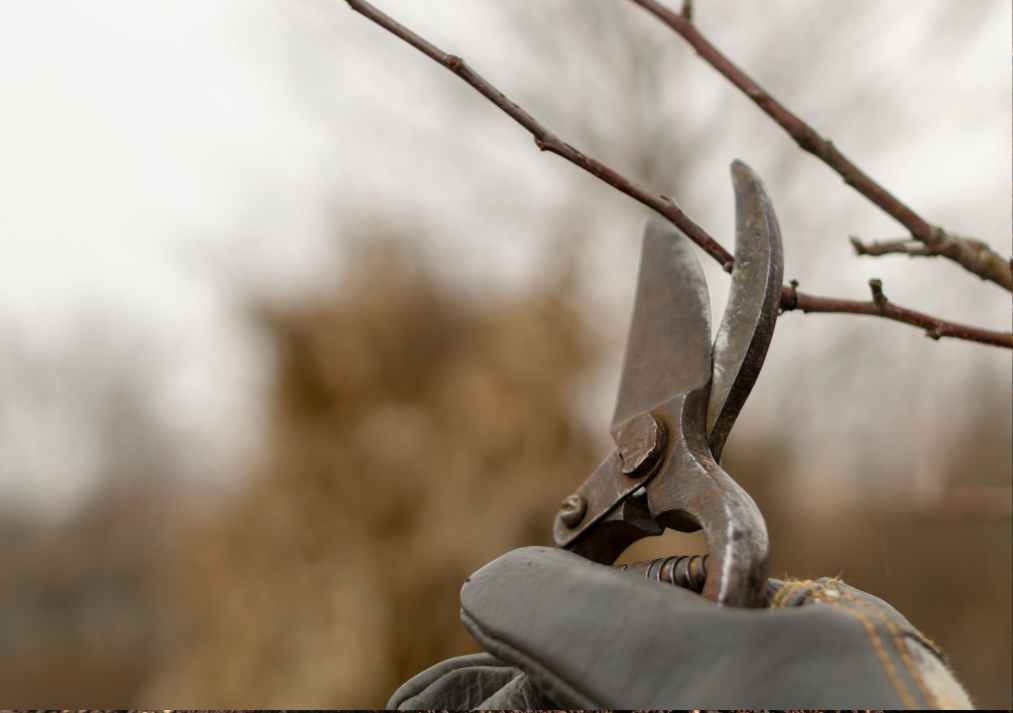
- Use sharp, clean tools to make clean cuts and reduce disease risk
Late winter is often ideal, but avoid pruning immediately before a hard freeze, especially as plants prepare to break dormancy.
Making the Right Cut
Every cut should be intentional. When pruning:
- Cut just above a healthy, outward-facing bud or branch junction
- Avoid leaving stubs, which invite pests and disease
- Thin selectively rather than shearing whenever possible
Good cuts guide future growth and help shrubs maintain their natural form.
Tools We Recommend for Winter Pruning
Having the right tools makes winter pruning safer, easier, and better for your plants. Clean, sharp tools create precise cuts that heal faster and reduce the risk of disease, especially important during dormancy.
Here are a few must-haves for winter shrub pruning:
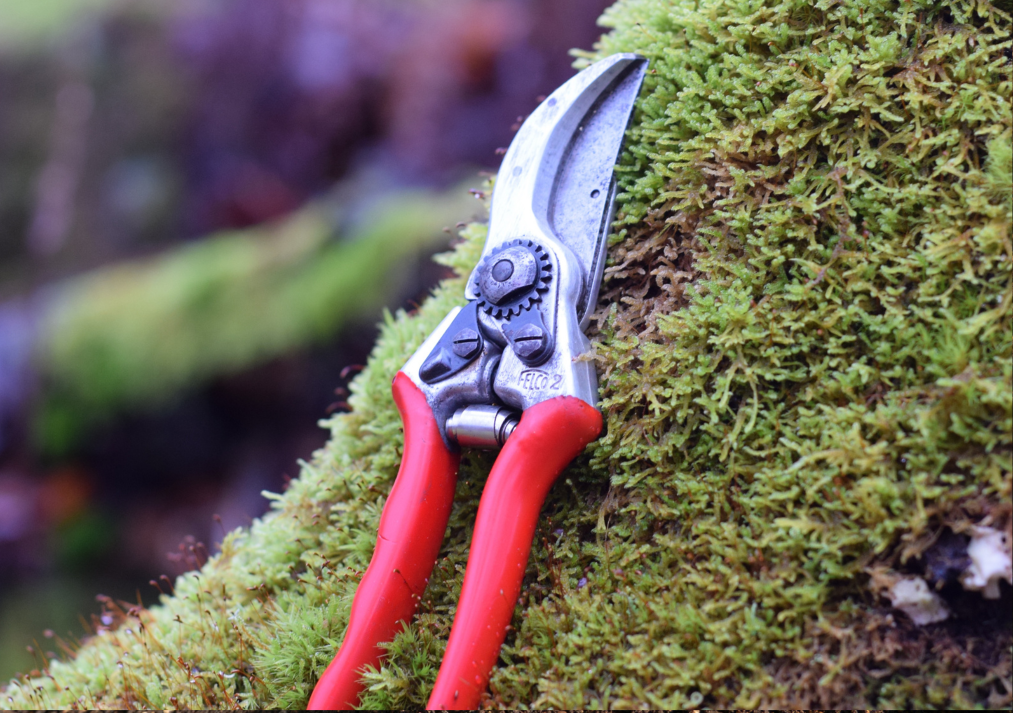
- Hand pruners: Ideal for small branches and fine, detailed cuts. Look for bypass pruners with replaceable blades and a comfortable grip.
- Loppers: Best for thicker branches (typically up to 1½–2 inches). Long handles provide extra leverage and cleaner cuts.
- Pruning saw: Necessary for mature shrubs with older, woody branches that are too large for loppers.
- Tool sharpener: Sharp blades are critical for clean cuts and plant health. A simple sharpener goes a long way.
- Disinfectant spray or wipes: Cleaning tools between plants helps prevent the spread of disease.
- Protective gloves: Choose durable, flexible gloves that allow control without sacrificing protection.
Investing in quality tools not only improves results but also makes pruning more enjoyable season after season.
When in Doubt, Pause Before You Prune
If you’re unsure whether a shrub should be pruned in winter, it’s better to wait than risk cutting off flowers. Take a photo to bring in to our Green Team and we’ll get you on the right track.
Winter pruning isn’t about cutting everything back, it’s about timing, intention, and understanding how each plant grows. With the right approach, your shrubs will reward you with healthier growth, better structure, and more beautiful blooms in the seasons ahead. To stay inspired and grow with us online, follow us on Facebook, Instagram, Pinterest, and TikTok to explore more gardening tips and ideas.