Fall Gardening Know-How
Planting Cole Crops in Fall
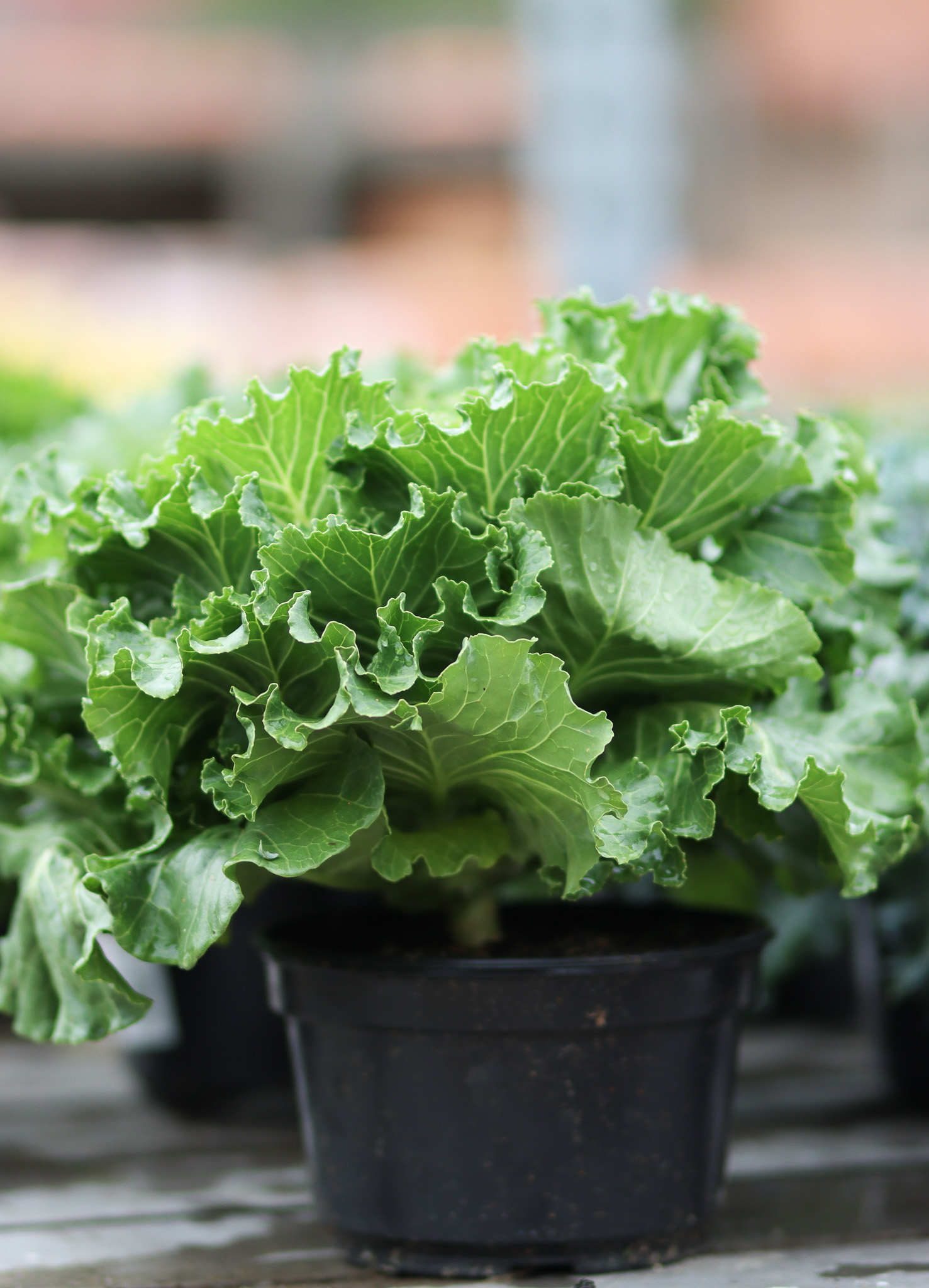
As our summer gardening season is coming to a close, it’s the perfect time to get your fall vegetable garden growing. What could be tastier than going out in your backyard to pick some fresh cabbage, lettuce, kale, broccoli, cauliflower or spinach for a healthy meal? Here’s our handy garden guide for planting your cole crops! These crops will flourish until frost arrives.
Cabbage – this low-cost, crunchy vegetable is easy to grow in fall. It requires full sun and rich soil, so be sure and use compost and manure in your garden bed. When you plant your cabbage seedlings, mix in a tablespoon of slow-release organic fertilizer to each planting hole. They will need space to spread out when they grow, so 10-12” apart will give you a good buffer. You want to water the seedlings every day for at least a few weeks. After a couple weeks, you can feed the plants with additional fertilizer. It’s time to harvest your cabbage when the plant forms a compact head. Give it a light squeeze and use a knife to cut through the main stalk of the plant right below the head. After harvesting,, remove the entire root system from the soil to avoid disease build up.
Spinach – spinach prefers an area in full sun, however, it is one of the few vegetables that can tolerate some shade. You can choose to plant from seeds or small plants, but make sure to give them enough space to spread out and grow. Six inches is usually enough. This plant requires at least one inch of water per week, and it’s best to water them in the mornings, so they can dry out throughout the day. Spinach can be harvested in as little as six weeks after planting the seeds. You can harvest by pinching or snipping off mature leaves and continue harvesting until the plants go to seed.
Broccoli – broccoli is a fairly slow grower, and you can choose to grow them from seeds or small plants. From seeds, you can start them indoors three to four weeks before transplanting. When you transplant outside, choose an area with full sun, and use compost and manure in your garden bed. Broccoli needs three main elements: nitrogen, potassium and phosphorus. Space the seedlings 18” apart in rows and make sure to give them starter fertilizer. It will take about 60-70 days from the date of transplant for broccoli to mature. Harvest the florets before the yellow flowers appear by using a sharp knife to cut the head of the stalk just below the floret head. You can leave the plant in the ground and look for new florets to sprout.