Growing Citrus in Containers
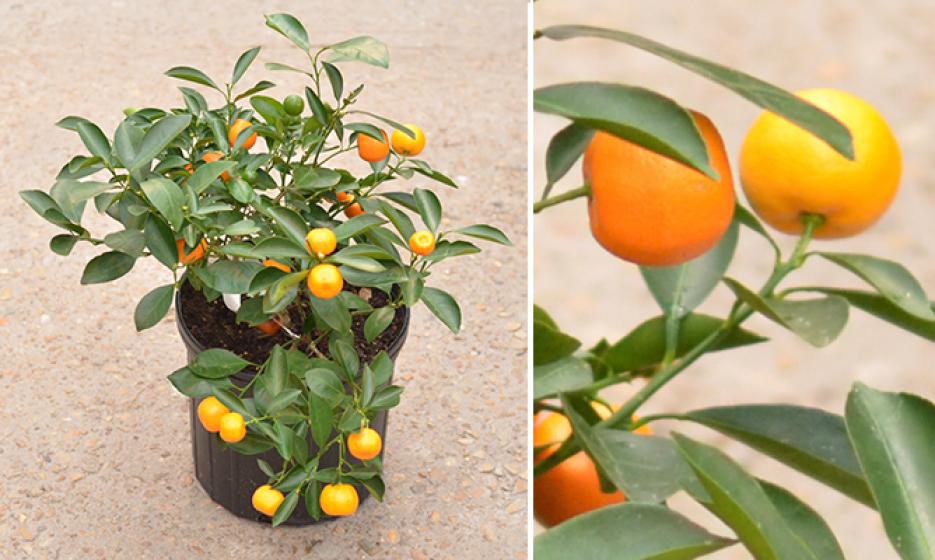
Try your hand at growing citrus in containers. We’re sure you’ll find it fun and rewarding… and of course, you’ll definitely enjoy the fruits of your labor when those tasty fruits are ready to be eaten! The fragrance of the citrus flowers can fill a room and the bright colors of the fruit and the glossy foliage make handsome additions to your home. We’ve put together a few tips on maintaining citrus containers:
Citrus grown in pots are temperature sensitive and will not live through the hard freezes typical of Hampton Roads. Plastic and foam pots are best since plants should be taken outside during the warmer months. Potted citrus are grafted and are perfectly happy to live out their lives in pots. Most citrus trees are hardy to 38°F. Lemons, oranges and kumquats can tolerate temperatures down to 32°F for brief periods (hours) without damage.
Tips for Maintaining Citrus Containers:
- Rotate the pots weekly so light strikes all the leaves.
- Cut back on watering. Plants in weak light, out of the wind, use less water.
- Return citrus outdoors as soon as temperatures warm to 40°F.
- Keep in mind that some winter leaf drop is normal.
LIGHT
All-day direct sun is the most important factor in successful citrus culture. Your citrus trees should be outside, in full sun, except when the temperature drops below 40°F. When cold-temperature warnings occur, bring your potted trees into the house and place in a south-facing window.
WATERING
Citrus in full sun and out in the wind will use considerable water. After your first thorough watering, check the weight of your new citrus tree. Lift it a few inches, feel how heavy it is. If it is too large to lift easily, push against the pot to get a sense of the resistance it gives your push. Check the weight of your pots several times the first week. If it feels dry, water again on all sides of the pot until water drains out of the bottom.
FERTILIZING
All plants in pots must be fertilized to grow to their full potential. Since fruit trees are constantly leafing, blooming, and ripening fruit, they need regular fertilization. We recommend using: McDonald’s Greenleaf, 12-4-8, slow-release, every six weeks, plus; Espoma Citrus Tone, 2-3 times per year
LIFE CYCLE:
Most citrus trees bloom heavily once a year, usually in late winter or early spring. Exceptions are Meyer Improved Lemon and Calamondin Orange, which bloom sporadically throughout the year with good care, in addition to giving you a heavy bloom in winter. You can expect a crop of ripe fruit to ripen as follows:
- Lemons and Lime: 9 months to turn yellow, let hang another 3 weeks for tree-rippened goodness
- Calamondin Orange: 4-6 months
- Kumquat: 5-7 months
- Orange/Tangerine/Tangelo: 9-10 months
Fruit is ready to harvest when it gives to pressure from your thumb. Fruit is ready to harvest when it is no longer hard and gives to pressure from your thumb. Now you can enjoy the fruits of your labor!
PRUNING:
Prune right after you have collected your main crop of fruit, and before the next blossoming period (usually mid-winter). Shorten branches to no more than half of the current length, cutting just above a healthy leaf. If branches are rubbing another healthy branch, remove branches by cutting back to a main stem.