Annual Patio Planters 40% OFF

How to Attract Pollinators to Your Garden

Transforming your garden into a pollinator paradise is an exciting way to help the environment while making your outdoor space more beautiful and bountiful.

How to Attract Pollinators to Your Garden
cmelvin

Transforming your garden into a pollinator paradise is an exciting way to help the environment while making your outdoor space more beautiful and bountiful. Pollinators are crucial for our ecosystems, and with a few simple steps, you can create a welcoming haven for them right in your backyard. Here’s how to get started:

Pollinator Plants
Use Helpful Gardening Tools
Make Your Garden Pollinator-Friendly

Pick the Right Plants

The key to a pollinator-friendly garden is planting a variety of flowers that provide nectar and pollen throughout the growing season. Here are some great plants to attract different pollinators:

Bees

  • Lavender: Bees love the fragrant flowers of lavender.
  • Bee Balm (Monarda): With its bright colors and rich nectar, bee balm is irresistible to bees.
  • Coneflowers (Echinacea): These sturdy plants are easy to grow and a reliable food source for bees.

Butterflies

  • Butterfly Bush (Buddleia): This plant attracts butterflies with its sweet-smelling flowers.
  • Milkweed (Asclepias): Essential for monarch butterflies, milkweed is both a nectar source and a host plant for their caterpillars.
  • Lantana: Butterflies love the bright clusters of lantana flowers.
  • Zinnias: These colorful annuals are perfect for attracting butterflies.

Hummingbirds

  • Salvia: Hummingbirds are drawn to the tubular flowers of salvia.
  • Cuphea: The small, trumpet-shaped flowers are ideal for hummingbird feeding.
  • Petunias: These tubular flowers come in many colors and are a hit with hummingbirds.

Use Helpful Gardening Tools

Besides plants, several tools and accessories can make your garden even more appealing to pollinators.


Hummingbird Feeders

Hummingbird feeders filled with our Sweet Seed hummingbird nectar is a great choice to bring even more hummingbirds and other nectar-loving pollinators to your garden. Place these feeders in shady spots to keep the nectar fresh longer.


Bee Houses

Bee houses give solitary bees a safe place to nest. These structures, made from bamboo or wood with drilled holes, mimic natural habitats like hollow stems or wood cavities.


Butterfly Puddling Stations

Butterflies need minerals found in moist soil. Create a puddling station by filling a plant tray with sand or rocks and adding water. Place it in a sunny spot for butterflies to enjoy.


Bird Baths and Water Sources

A shallow bird bath or a small water feature provides water for all pollinators. Keep the water fresh and clean, and add stones for insects to perch on.


Mulch and Ground Cover

Using mulch and ground cover plants helps maintain soil moisture and provides habitat for ground-nesting bees.
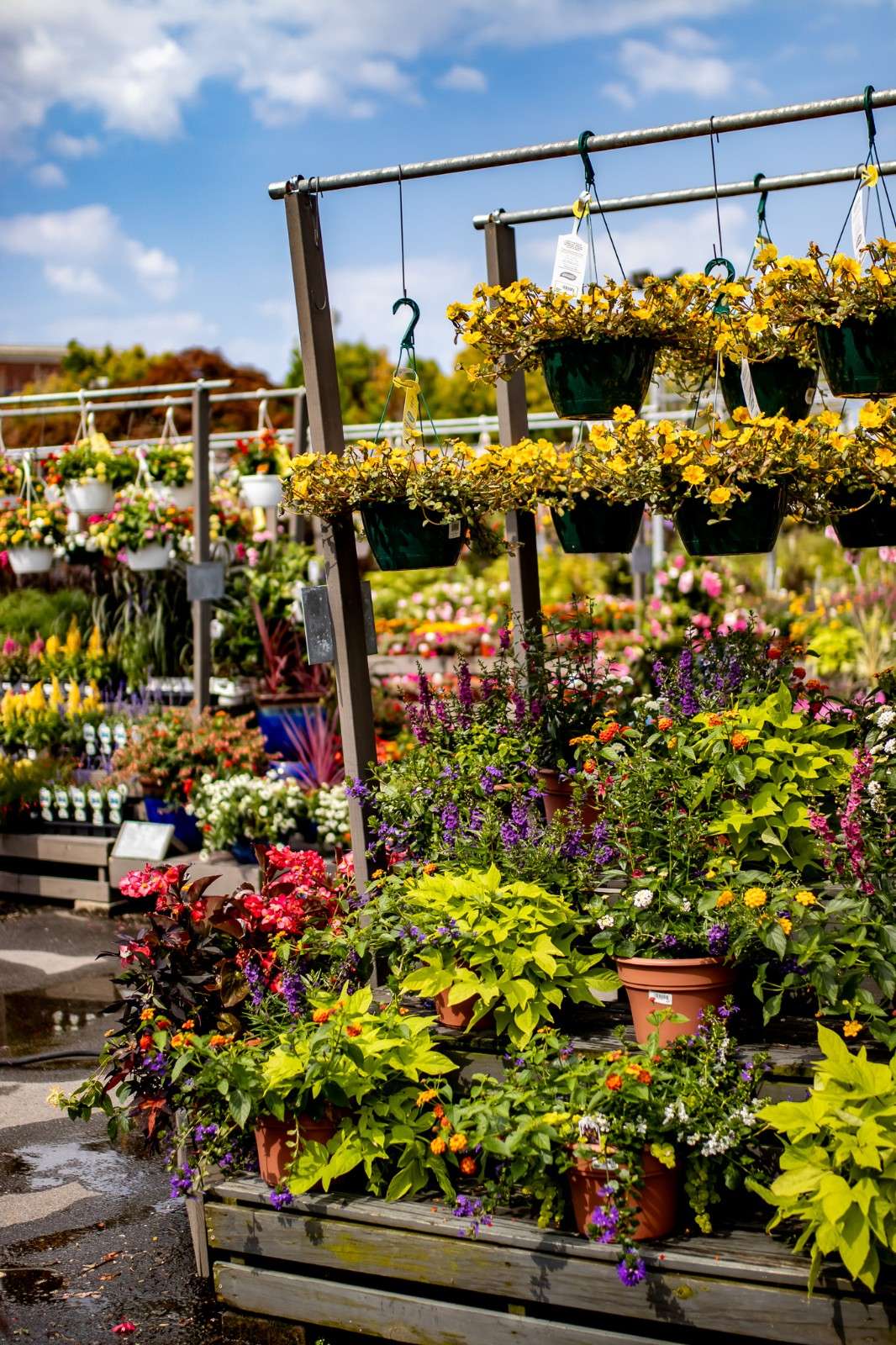
Make Your Garden Pollinator-Friendly

  • Plant Variety: Choose plants that bloom at different times to ensure a continuous food supply.
  • Provide Shelter: Dense shrubs or small piles of logs offer shelter from predators and bad weather.

By picking the right plants and using helpful gardening tools, you can create a paradise for pollinators in your garden. Not only will you support these vital creatures, but you’ll also enjoy a lively, beautiful garden. Start small, and soon you’ll see your garden buzzing and fluttering with life. To stay inspired and grow with us, follow us on FacebookInstagramPinterest, and TikTok to dig into the joys of gardening!

Recent Blog
The 3 Best Late-Summer Flowers for Bees & Butterflies
How to Keep Your Garden Thriving During Virginia’s Hottest Months
Beyond the Birds: The Wildlife Every Healthy Garden Needs

Related Articles

The 3 Best Late-Summer Flowers for Bees & Butterflies

As summer begins to wind down, your garden can still play an important role in supporting pollinators. In fact, late summer is one of the busiest times of year for...

How to Keep Your Garden Thriving During Virginia’s Hottest Months

By mid to late summer, even the most beautiful gardens can start looking a little tired. Long stretches of heat, high humidity, and inconsistent rainfall are all part of gardening...

Beyond the Birds: The Wildlife Every Healthy Garden Needs

When you think of wildlife gardening, colorful songbirds are probably the first visitors that come to mind. But a healthy, thriving landscape attracts so much more than birds. From playful...

Explore McDonald Garden Center