Impatiens Downy Mildew
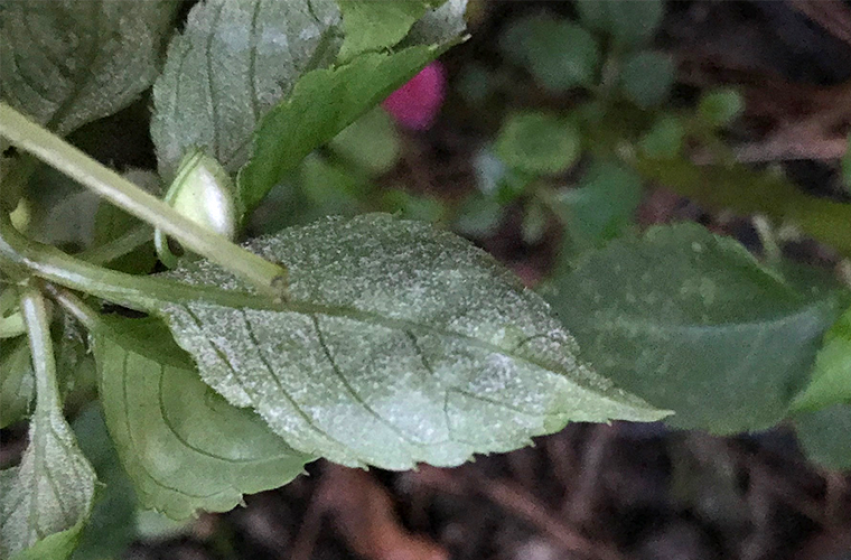
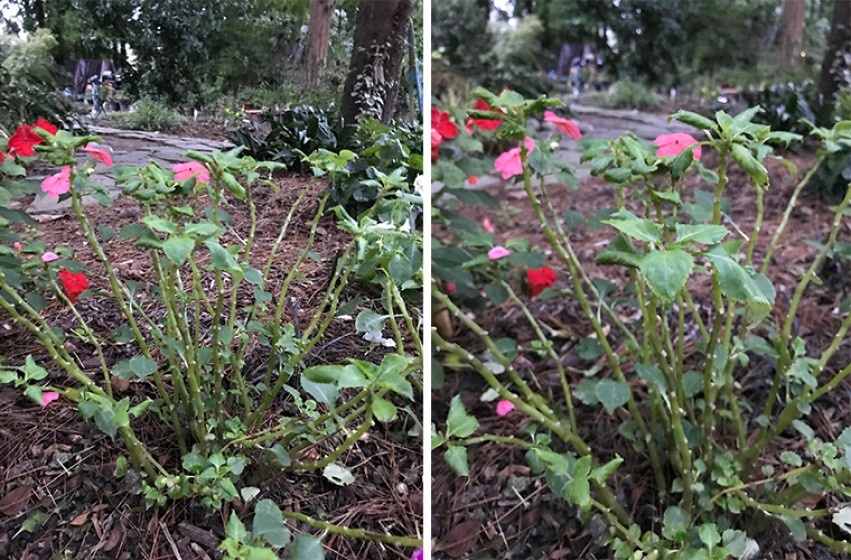
Impatiens Downy Mildew is a relatively new disease problem for American gardens and now is being observed in many areas around the country. Rain and cooler night temperatures provide the perfect environment for disease infection. You may be experiencing early decline in your Impatiens.
Here is what you should look for:
Which plants get this disease?
This is a disease that affects all Impatiens walleriana plants (garden impatiens, including double impatiens). It does not affect New Guinea Impatiens
(I. hawkeri), SunPatiens®, and other bedding plants may be affected. There are other species that may get Downy Mildew.
Symptoms:
Downy Mildew symptoms on Impatiens typically start with a few leaves that appear slightly yellow or off color (not to be confused with lack of fertilizer), and become completely yellow over time. Leaves may curl downward as if they need to be watered. Under humid conditions, a white, downy-like growth develops on the underside of primarily yellow or curled leaves, but can also be found on the underside of green leaves. Sometimes it is difficult to see the spores without a magnifying glass. Eventually the leaves and flowers will drop, resulting in bare stems with only a few tiny, yellow leaves remaining. These stems can become soft and the plant collapses, similar to frost damage.
Impatiens Downy Mildew tends to be worse in:
- Locations where leaves stay wet for extended periods of time (4 hours or longer).
- Very dense plantings – plants spaced close together.
- Gardens receiving overhead irrigation, because the foliage does not dry quickly.
- Plants in heavily shaded areas where the leaves stay wet for extended periods of time.
- Extended periods of rain and cool (below 65F) night temperatures. Much like we experienced in early September.
How it spreads:
Downy Mildew can be spread short distances by water splashing from infected plants and greater distances by wind-borne spores from infected plants in nearby landscapes. Impatiens Downy Mildew can occur in beds with no history of the disease if wind-dispersed spores blow in from other locations. Once plants are infected they will not recover. Fungicide applications by home gardeners are not recommended since effective fungicides are not Fungicides such as Mancozeb and Daconil are recommended for use as a preventative before the symptoms occur. It is best to rotate fungicides so that the disease does not build up resistance.
What to do with infected plants:
Plants with this disease should be removed, roots, soil and all, bagged and disposed of. Do not compost infected plants, as there is a high risk that this disease will overwinter and infect Impatiens in future years.
What to do next spring:
When deciding what to plant next spring in areas that are heavily shaded with very little air circulation, it would be prudent to choose an alternative shade solution. Alternative solutions that would perform well in shade include Caladiums, Begonias, Coleus and Torenia. These plants can all be safely planted in beds with a history of impatiens Downy Mildew. If you still want to plant Impatiens, it is best to select a site with good air circulation and morning sun to allow any moisture from overnight to dry.
Now that it’s cooling off, pansies will provide a great replacement for color during cooler seasons. Additionally, you can plant Dianthus, Snapdragons, Dusty Miller or Ornamental Kale among other annuals. If you have any questions, be sure to visit one of our year-round locations and speak with one of our gardening experts.
Source: UMASS Extension, Center for Agriculture, ‘Impatiens Downy Mildew in Home Gardens’