It’s National Pollinator Week
Pollinators positively affect all our lives – let’s SAVE them and CELEBRATE them.
How do pollinators affect your life? Well, if you’ve ever eaten a blueberry, chocolate bar or tomato, then you owe a big thank you to a small pollinator. Pollinators include birds, bats, butterflies, moths, flies, beetles, wasps, small mammals, and most importantly, bees. They are responsible for pollinating one out of every three bites of food we eat. But these invaluable creatures are facing declines. That’s why we are all collaborating together on efforts to help increase awareness and tackle challenges facing pollinators.
Seven years ago, the U.S. Senate approved and designated a week in June as National Pollinator Week. This was a necessary step toward addressing the urgent issue of declining pollinator populations. Pollinator Week has now grown to be an international celebration of the valuable ecosystem services provided by bees, birds, butterflies, bats and beetles. The growing concern for pollinators is a sign of progress, but it is vital that we continue to maximize our collective effort. The U.S. Secretary of Agriculture signs the proclamation every year. The state of Virginia now offers a Pollinator License Plate, whose proceeds help fund the flower plantings along highways for migratory pollinators.
You can do your part to help save pollinators, so set some time aside this week, June 20-26, to do something to help the pollinators! Here are some simple ways you can protect and support these important wildlife species:
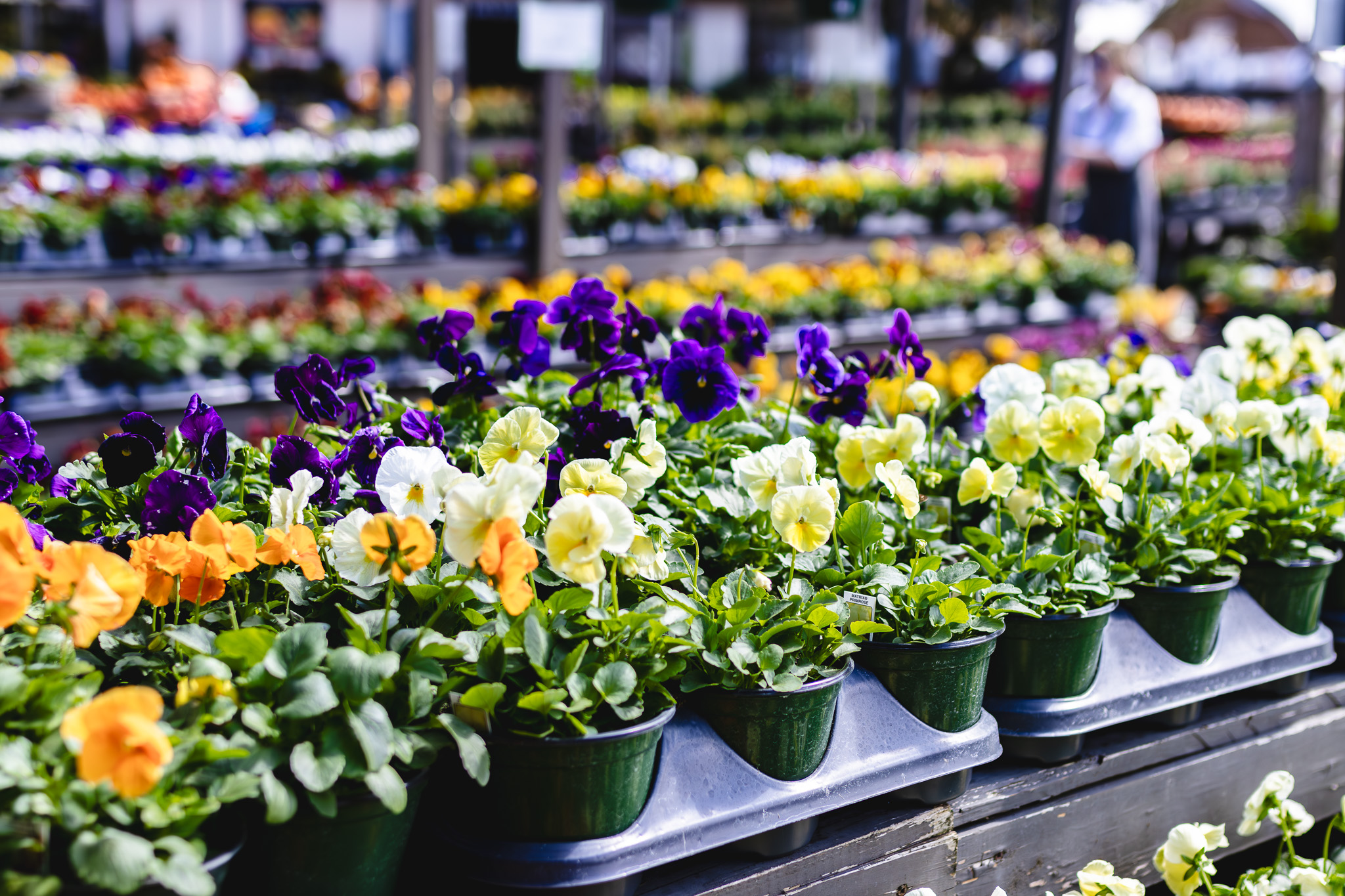
Provide Food for Pollinators – one of the easiest things you can do to help pollinators is provide the right plants in your landscape. Plants form the foundation for pollinators by providing them with pollen and nectar for food, protection from the elements and predators, and a places where their young can thrive. There are two types of plants to consider when providing for pollinators: host plants and nectar plants. Host plants provide a site for pollinators to lay eggs, as well as, a food source and include herbs such as parsley, dill, fennel & milkweed. Nectar plants also provide food for pollinators while adding color, style and beauty to your garden. Recommended nectar plants include lantana, verbena, milkweed, butterfly bush, beebalm, coneflower, salvia, zinnia, lavender, tithonia, yarrow, scabiosa, and Russian sage. Bird seed feeders and hummingbird nectar feeders are also an easy way to provide food.
It’s also important to choose a mixture of plants for spring, summer and fall with a variety flower colors, shapes, and scents that will entice a wide range of pollinators. This will also ensure something is always blooming from early spring when temps begin to warm-up until the first frosts of fall.
Provide Clean Water for Pollinators – all pollinators need daily access to fresh water. Bird baths, fountains, or a saucer of water with pebbles will fit the bill. Make sure to refill daily and control mosquito larvae by using Pollinator-Safe Mosquito Dunks.
Provide a Haven for Pollinators – bees, butterflies, and other pollinators need access to safe places to nest, lay eggs, and raise their young. Pollinators also need protection for overwintering, so consider leaving perennials and grasses that will provide shelter and while providing winter interest to your garden.
Support Local Beekeeping – joining a local beekeeping organization is a great way to meet individuals who can provide hands-on help and share their knowledge of and experiences with beekeeping. You can find locally produced honey at the seasonal Farmers Markets in the surrounding area. McDonald Garden Center also holds monthly meetings on Backyard Beekeeping the second Sunday of each month from 2-4pm to help you become better acquainted with what is required for raising healthy honey bees.