Low-Maintenance & High Impact: Why Bromeliads Are Perfect for Any Gardener
cmelvin
Some houseplants require constant attention—watering schedules, repotting, pruning, and the occasional pep talk. But if you’re looking for a plant that delivers stunning color and unique foliage and flowers without the high-maintenance care, bromeliads are the perfect fit.
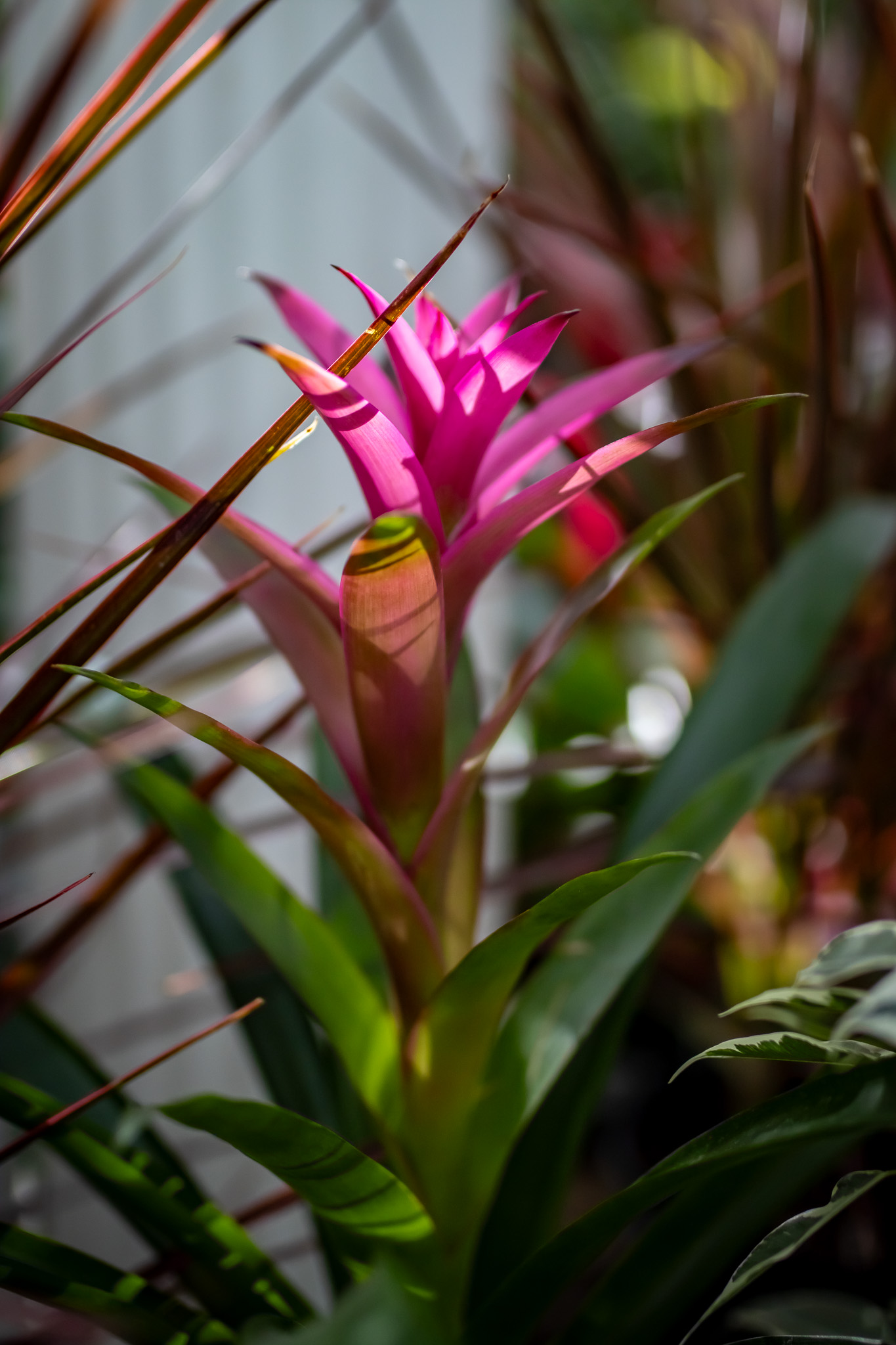
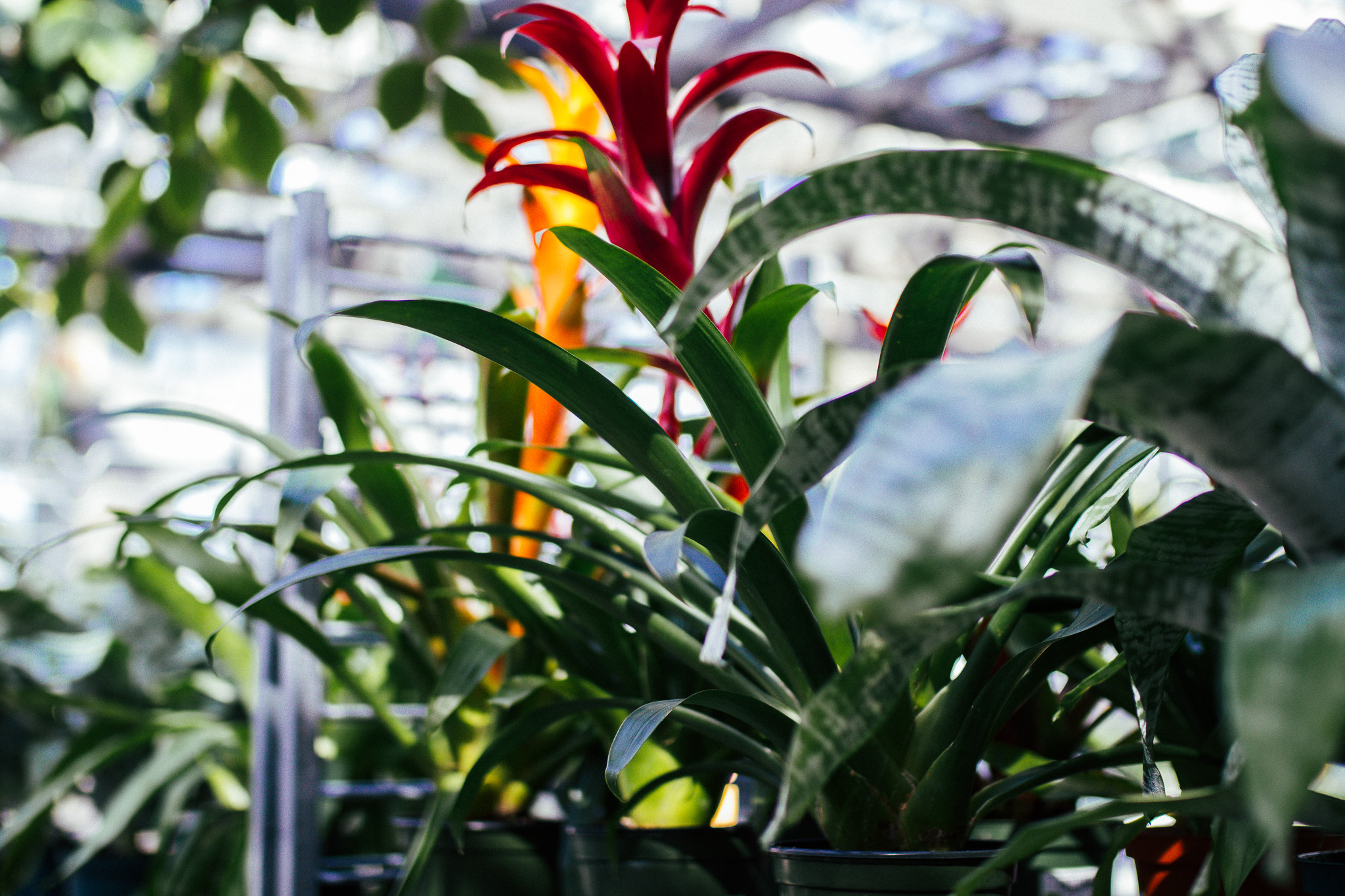
What Are Bromeliads?
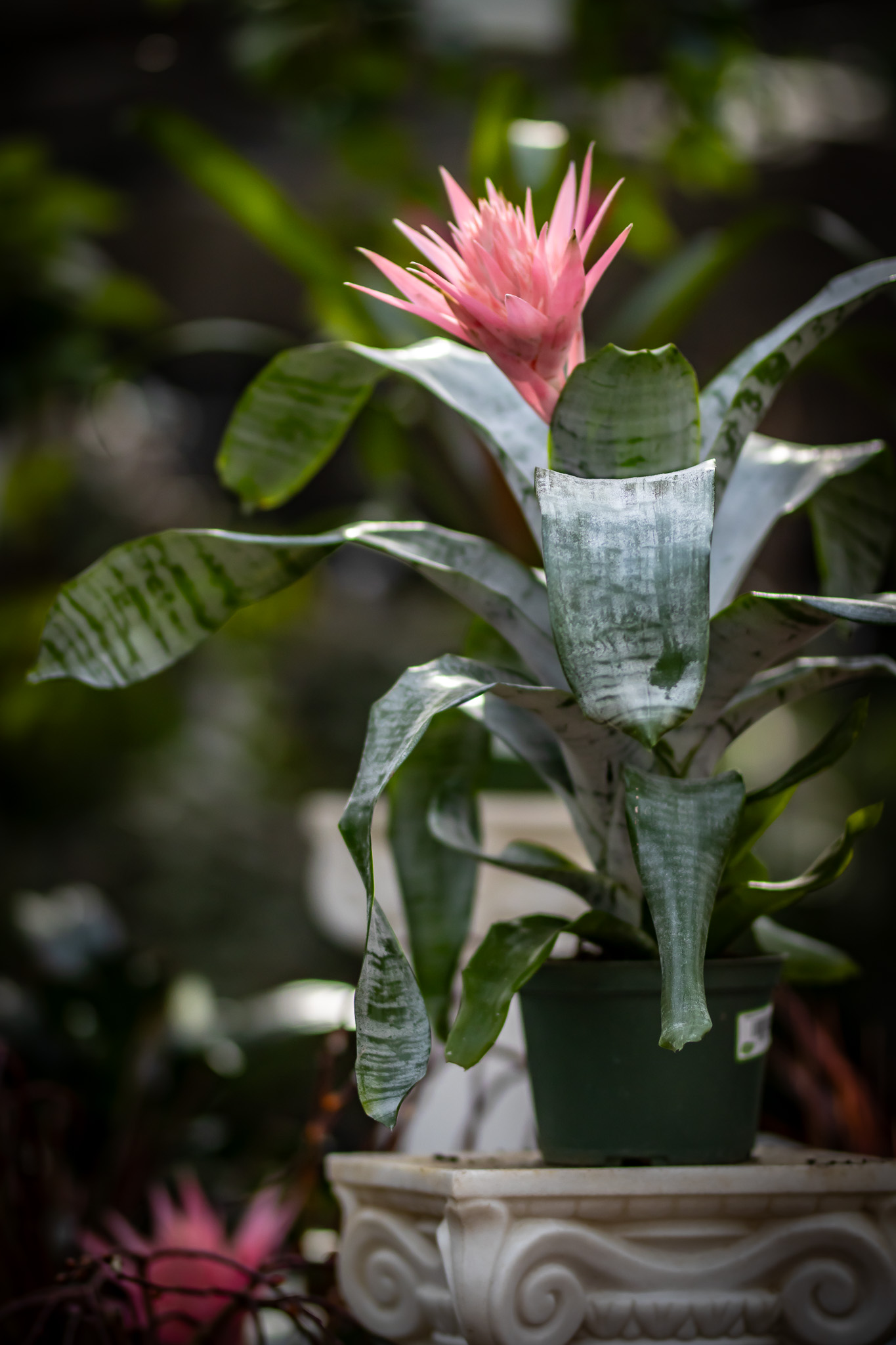
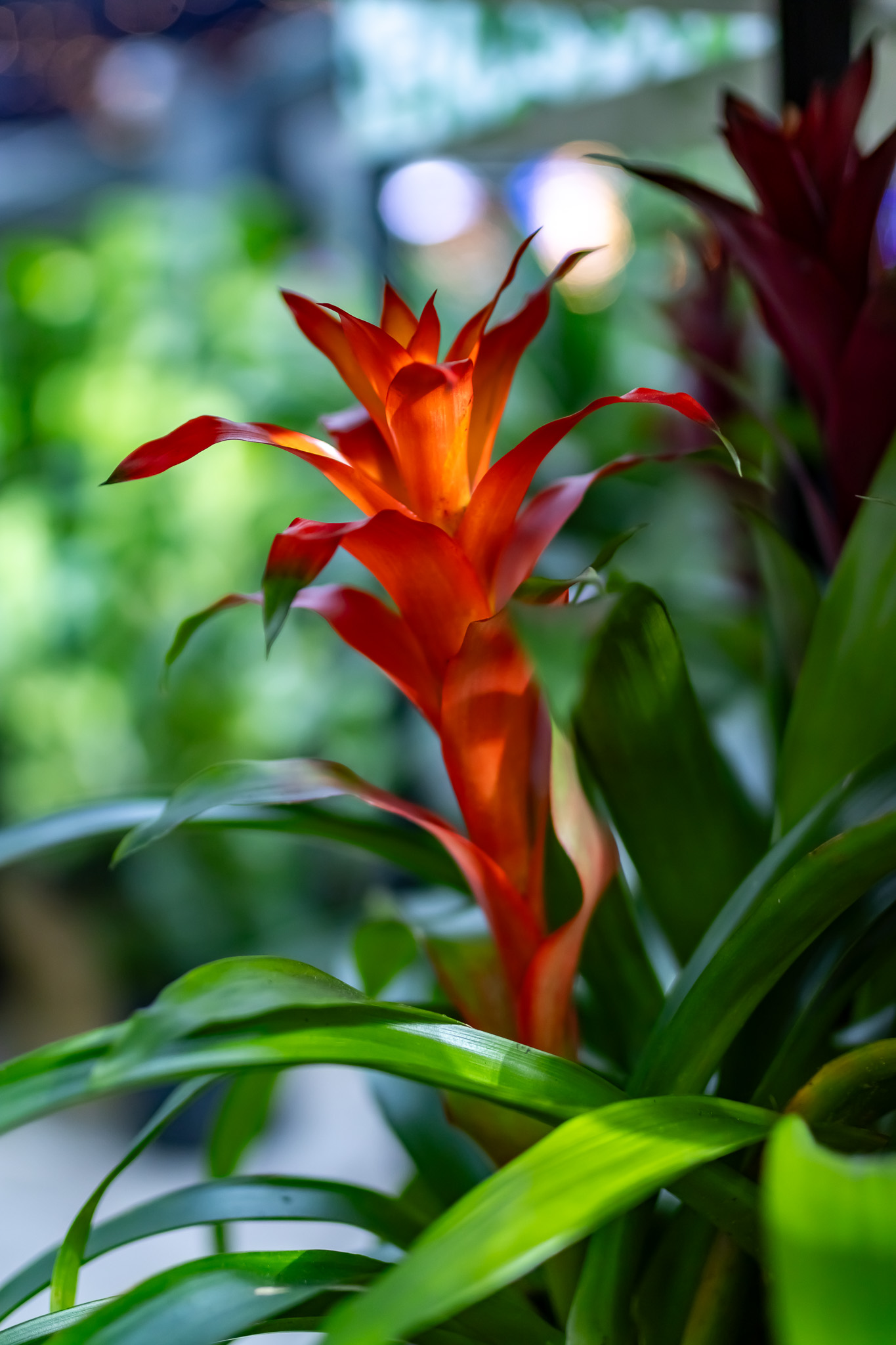
Bromeliads belong to the Bromeliaceae family, which includes over 3,000 species ranging from small, delicate varieties to large, dramatic plants. They are native to tropical and subtropical regions of the Americas, including rainforests, mountains, and even deserts. Some of the most well-known bromeliads include:
- Guzmania – Recognized for their bright, long-lasting flowers in shades of red, orange, yellow, and pink.
- Aechmea – Known for their spiky, dramatic blooms and sturdy foliage.
- Neoregalia – Often grown for their striking, colorful leaves rather than their flowers.
- Vriesea – Characterized by unique sword-shaped flower spikes.
Tillandsia (Air Plants) – A type of bromeliad that doesn’t need soil to grow, absorbing moisture and nutrients through their leaves.
Why Bromeliads Are Perfect for Any Gardener
They Require Minimal Care
Bromeliads may look like they belong in a greenhouse, but they are surprisingly low-maintenance. They thrive with minimal watering, don’t require frequent repotting, and can adapt to various lighting conditions.
They Offer Long-Lasting Color
Unlike many flowering plants, which bloom and fade quickly, bromeliad blooms last three to six months. Even after the flower fades, the foliage remains vibrant and attractive, making them a long-term centerpiece in your home.
They Don’t Need Soil (Some of Them, At Least!)
While most bromeliads grow in soil, some—like air plants—can grow without it entirely. These epiphytic species attach to trees, rocks, and other surfaces, drawing moisture and nutrients from the air. This makes them a fun and unique option for creative displays.
How to Care for Bromeliads
Lighting Needs
Bromeliads prefer bright, indirect light but can tolerate lower-light conditions. Avoid direct sun, which can scorch their leaves, especially for varieties with thinner foliage.
Watering Tips
A common misconception about watering bromeliads is that you can water them by watering the plant itself (not the soil) and the bromeliad will hold the water in the base of its leaves and water itself. In the wild, this is a way the bromeliad can collect rainwater and water itself. But inside your home, this is not the most efficient way to water. Simply water the rootball and not the foliage until it is moist throughout the plant. Wait for the first ½ inch – 1 inch of soil to dry before watering thoroughly again. Watering may need to be done more often when the plant is in bloom.
Choosing the Right Soil
For bromeliads that grow in soil, a well-draining mix is essential. Use an orchid or cactus potting mix, or create your own blend with regular potting soil, sand, and perlite.
Temperature & Humidity
Bromeliads thrive in warm, humid conditions, making them excellent choices for bathrooms, kitchens, and sunrooms. Keep them in temperatures between 60-80°F and away from cold drafts.
Feeding
Bromeliads don’t require much feeding, but a diluted liquid fertilizer once a month during the growing season will help maintain their vibrant color.
Propagation: What Happens After Blooming?
After a bromeliad blooms, the mother plant will gradually go dormant, but not before producing pups—small offsets at the base. Once these pups reach about one-third the size of the parent plant, they can be removed and repotted, continuing the bromeliad cycle.
Creative Ways to Display Bromeliads
Bromeliads are incredibly versatile and can be displayed in many creative ways:
- Mounted on wood or driftwood – Perfect for air plants and epiphytic varieties.
- In hanging baskets – Adds a lush, tropical feel to patios and indoor spaces.
- Grouped in a terrarium – Creates a vibrant, mini jungle.
- Mixed in outdoor planters – Pairs well with ferns and other tropical plants.
Bromeliads are the perfect balance of high impact and low maintenance. Whether you’re drawn to their bold colors, unique growth habits, or easy-care nature, they make a stunning addition to any home or garden. With just a little attention, they will reward you with months of beauty and an ever-growing collection of pups to share. To stay inspired and grow with us, follow us on Facebook, Instagram, Pinterest, and TikTok to dig into the joys of gardening!