Nectar Gardening for Butterflies, Honey Bees & Native Bees

By Michelle Peterson, St. Lucie County Master Gardener
Plants produce nectar as a means of attracting insects, birds and other potential pollinators. One of the greatest benefits of gardening with nectar-producing plants is being able to provide an attractive habitat for a great number of wildlife, particularly butterflies, honey bees and native pollinators. A standard nectar garden includes a mix of annuals, perennials, herbs, shrubs and trees. Although there are many commonalities in nectar gardens, each has specific requirements when attracting a specificpollinator.
Butterflies:
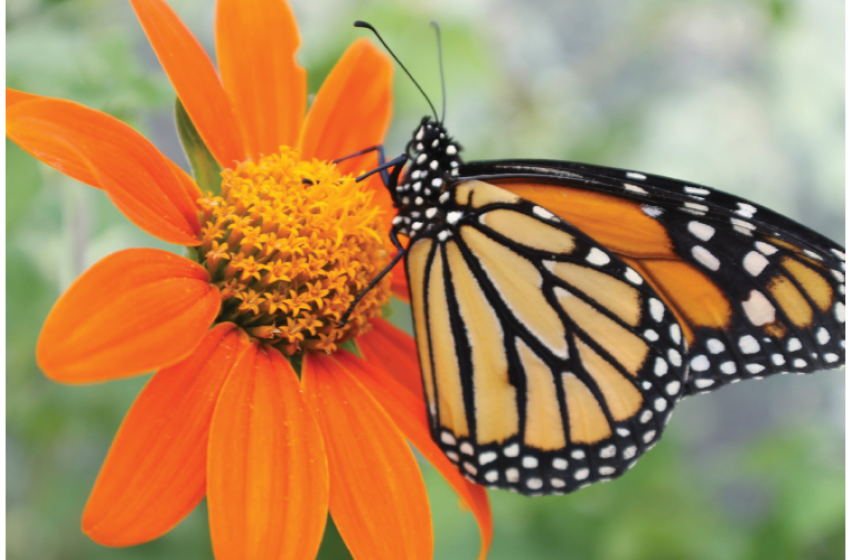
- Prefer red, orange, pink and yellow flowers
- Like trumpet-shaped flowers that hold sweet nectar
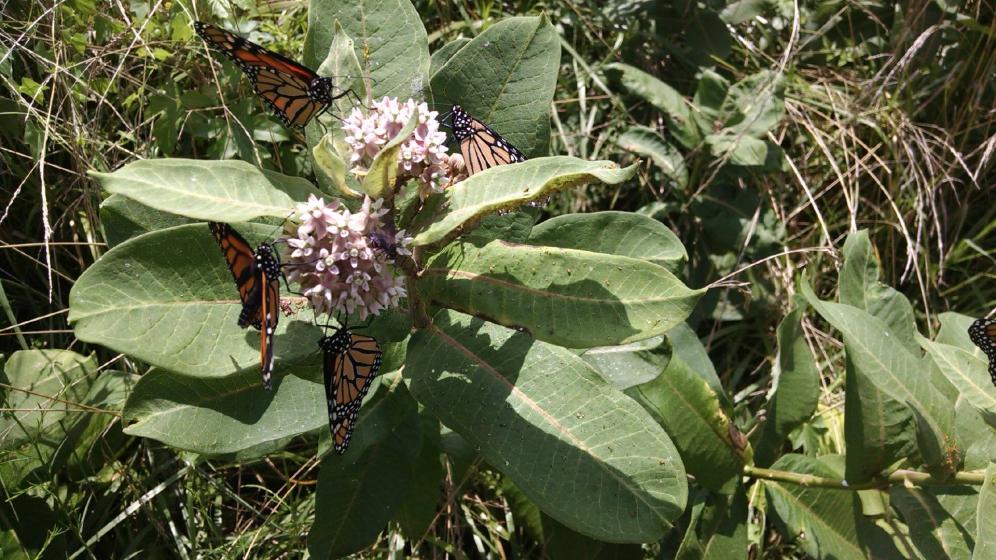
- Need species-specific host plants that provide shelter, camouflage and larval food.
Honeybees:
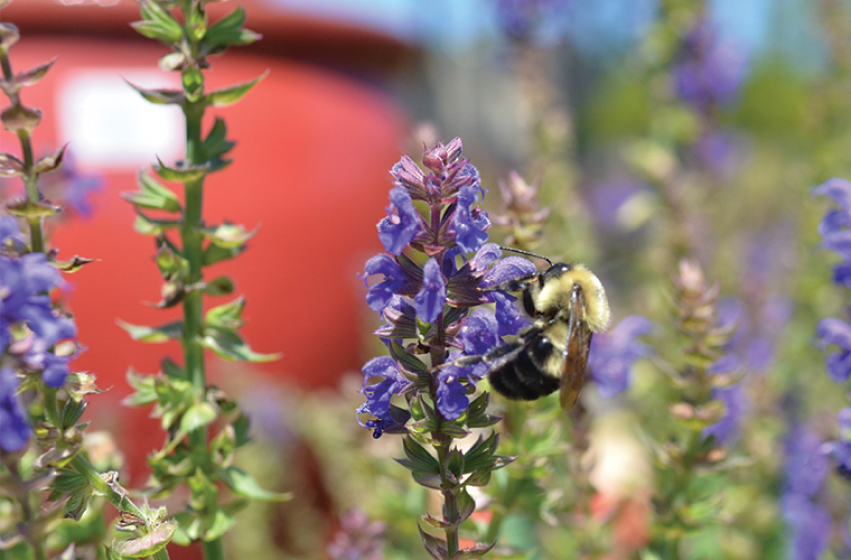
- Prefer yellow, white, blue and purple flowers – can’t see the color red.
- Like daisy-like flowers with broad petals that offer a large landing pad.
- Need pollen as well as nectar to feed the hive.
Native Bees:
- Prefer fruiting trees and shrubs and native plants
- Have short life spans, and like a variety of blossoms throughout the year
- Are largely ground-dwelling and prefer native soil that free of pesticides and fertilizers
Butterflies and bees also like shallow mud puddles where they get their source of water and minerals. Most plants that attract pollinators require full sun (a minimum of 5 to 6 hours of light a day), so it may be more of a challenge to attract bees and butterflies to your shade garden, though not entirely impossible.
Pesticides will not only keep pesky bugs away, but also the ones that you’re trying to attract. Be very judicious in your applications, and choose spot treatments over systemic. Avoid planting the red flower passion vine (Passiflora racemosa) which can be poisonous to butterfly caterpillars.
Also, be cautious about toxic plants like Yellow Jessamine aka Carolina Jasmine (Gelsemium sempervirens) and White Ti Ti (Cyrilla racemiflora ) which are poisonous to bees.