Our Top 5 Spooky Succulents & Cacti of the Season
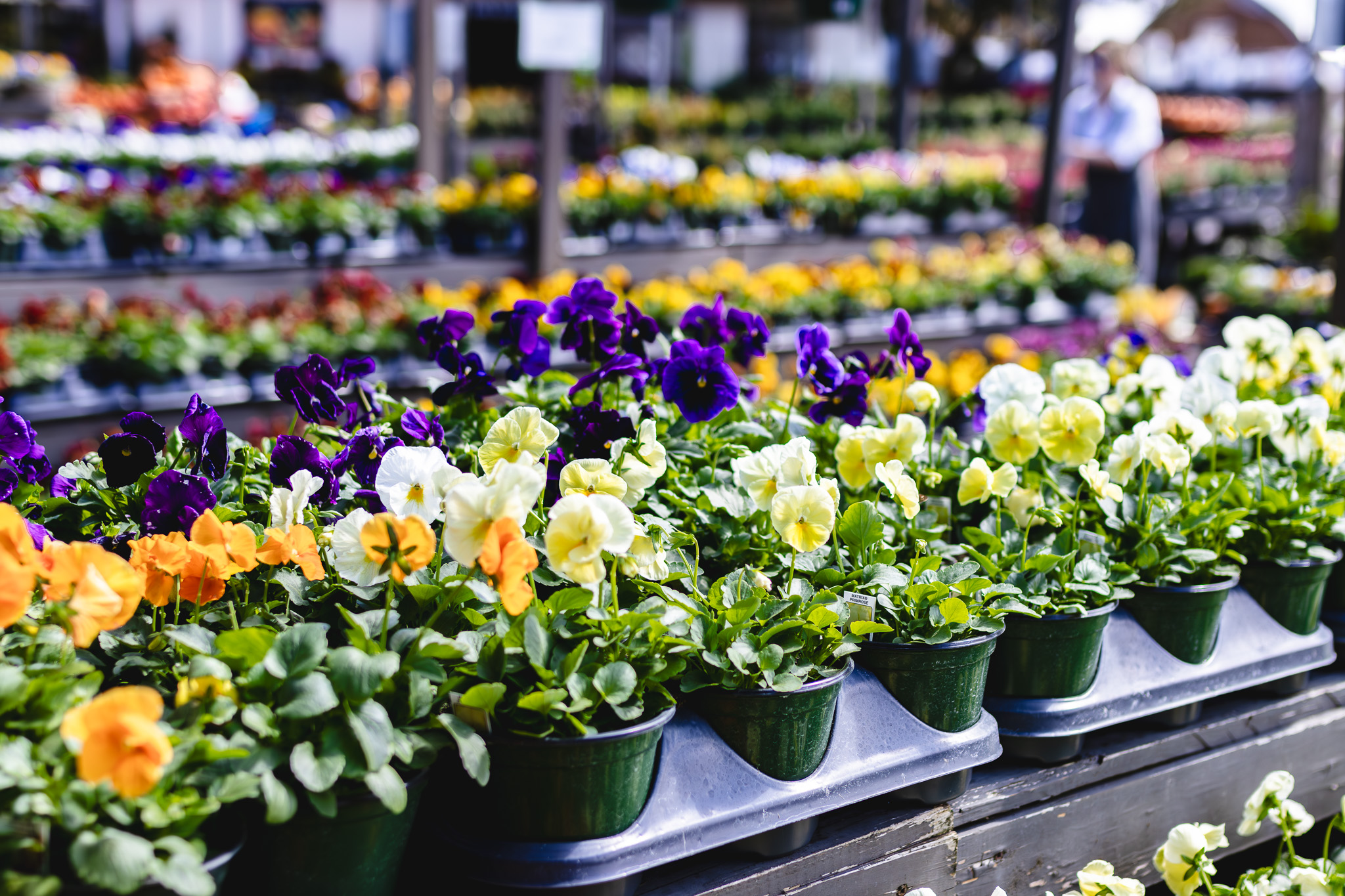
Mums, pansies, and pumpkins line the doorways of homes all across Hampton Roads, especially for this upcoming weekend of tricks and treats. However, what about your indoor decor? Beyond the creepy crawlies, wicked witches, and the monsters under your bed, there is one thing you probably need more of to complete your haunted home: succulents and cacti!
As we get ready for the most fang-tastic night of the year, we’d like to acknowledge only the spookiest of our greenhouse plants:
1. Cryptanthus
The cryptanthus plant is known for its funky foliage and intricate designs of black, white, green, pink, and red. Although this plant is not technically a succulent or a cactus (it is part of the bromeliad family), it does have sharper edges and pointed leaves that could leave a scratch, if not careful. Not only does the cryptanthus resemble a succulent or cactus, it also enjoys similar care to one. For optimal health, they need very bright, but not direct, sunlight and need to be watered when partly dry. If the foliage receives too much or too little light, it can experience bleaching or color fading. Try decorating your own crypt’s windowsill with one of these to receive shrieks of intrigue from your guests.
2. Devil’s Backbone
No need to call the chiropractor, this backbone is meant to be rickety! The Devil’s Backbone, or Pedilanthus tithymaloides, is an extremely unique plant to have in the home, especially during a Halloween extravaganza. This plant is a member of the Euphorbiaceae or “spurge” family which means that it has a milky-type sap that flows through the body of the plant as well as having leaf or flower-like “bracts” that grow from the stems. These can be either variegated or just green all the way through. Another familiar plant that is related to this one is the poinsettia that we enjoy during the holiday season. Care for the devil’s backbone consists of bright, indirect sunlight and water when just dry. Unlike many cacti that we are familiar with, this plant needs a little more water to support its bracts.
3. Spider Aloe
Unlike a real pet spider, this little fella won’t give you the heebie-jeebies. Spider aloe is both easy to care for and easy to look at with its architectural spikes that line all of its foliage, creating a really beautifully interesting succulent. Care for this plant consists of bright sunlight and water when dry about an inch or so down (depending on the size of your aloe). This plant is used to being neglected by the elements a bit, so if you miss a scheduled watering, don’t fret, just pay attention to the foliage for any shriveling or discoloration.
4. Snow White Opuntia
The class of opuntia cacti hosts a wide variety of species including the snow white opuntia. Also known as the “snow prickly pear,” this cactus is extremely low maintenance when it comes to water and cold tolerance. And even better, this prickly pear is one you can touch, with care of course. There are two types of spikes on opuntia cacti and this variety has a soft, spider-web like appearance that can sprawl out or wrap around the cactus. Make sure to give this cactus plenty of sunlight and water only when the soil is dry. Watering will depend on the humidity of the environment the cactus is in, so the best way to test this is with a soil meter or by placing your finger in the soil.
5. Lifesaver Cactus
This cactus is sure to be from the, “Little Shop of Horrors,” mainly because of its namesake bloom. The flower of the lifesaver cactus has 5 tiger-striped “petals” with a unique lifesaver-like center that is sure to stun even the most experienced of your plant friends. Make sure this cactus gets plenty of direct sunlight, as well as water, when dry. Watering will be more frequent when the cactus is blooming versus when it isn’t. For an added flare, add multiples of these plants together in a hanging basket to watch the tentacle-like tendrils trail down over time.
Come check out all of these faves at our year-round locations in Virginia Beach, VA before they disappear in a flash. Boo to you from our Green Team crew this Halloween!
To learn even more about the spookiest plants at our garden center, come talk to our Green Team members or check out the Garden Guru and his webinars with new plants, products, and expert planting advice. To keep inspired and grow with us, follow us on Facebook, Instagram, Pinterest and TikTok to dig into the joys of gardening!