Pretty Perennials

IT’S THE PERFECT TIME TO DIVIDE & PLANT PERENNIALS.
by Kathy Van Mullekom, a lifelong gardener and gardening writer living in York County, Virginia
My perennial garden is all cleaned up and ready to grow — and grow and grow and grow some more.
That’s the challenge of a perennial garden, especially when you plant Joe-pye weed, coneflowers, bee balm, daylilies and Shasta daisies. When they are happy, they happily spread until you have large lovely masses that need dividing.
April can be the best time to divide some of those happy-growing perennials and plant them in other places or share them with friends. Spring soil is soft and moist and easy to work with. Your perennials are starting to poke their heads through the ground and you can easily see where to dig and divide. Plus, early spring division means they have time to re-establish themselves in a new spot before hot, dry weather arrives again.
To divide perennials:
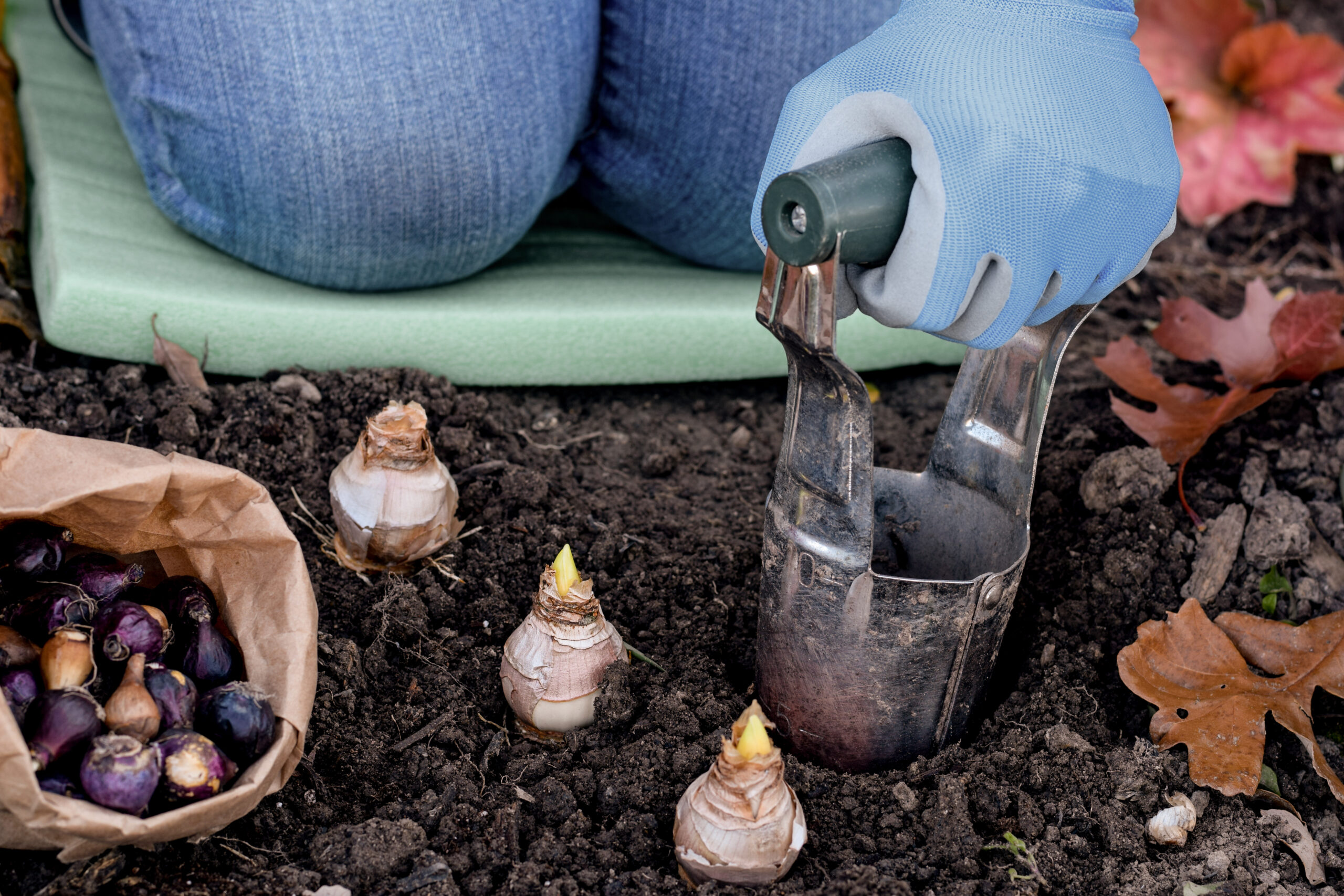
Use your hands or small rake to pull soil back from around the plant. Then, use a small shovel or some kind of digging tool to dig around and lift out the root ball, keeping it intact. Using your hands, gently rub the root ball to remove as much soil as you can (pictured above), exposing the roots so you can easily see how best to divide them.
Use a steak knife or sharp trowel and gently cut the root ball into halves, thirds or fourths, depending on its size. As you cut, you want to maintain bigger main and smaller feeder roots in each section.
Replant your sections into pre-dug holes that are moist from rain or your garden hose. If you have poor drainage in your perennial garden, plant perennials a little on the high side (half an inch) because winter’s wet weather can easily rot the crowns, the point where the top of the plant meets the root system. Adding mulch to the planting hole also aids in aeration so plant roots don’t suffocate when rain fills air pockets in the soil.
You can also give away some of those perennial divisions to neighbors and friends. Wrap the roots in wet newspaper and tie them in a plastic bag, along with the plant’s name and planting tips.
Now that your perennial garden has more space, think about adding newbies, including this year’s special perennial – 2015 is the Year of the Gaillardia, according to the National Garden Bureau at www.ngb.org. There are about 23 species of Gaillardia – nicknamed blanket flower — across the Americas, and most are perennials native to North America.
Gaillardia (pictured above) with its small flat flowers attracts bees, butterflies and other pollinators and it blooms all summer if you just give it a few trims to promote new flowers – basically fuss-free and fun to have around!