Tips on Creating a Successful Butterfly Garden
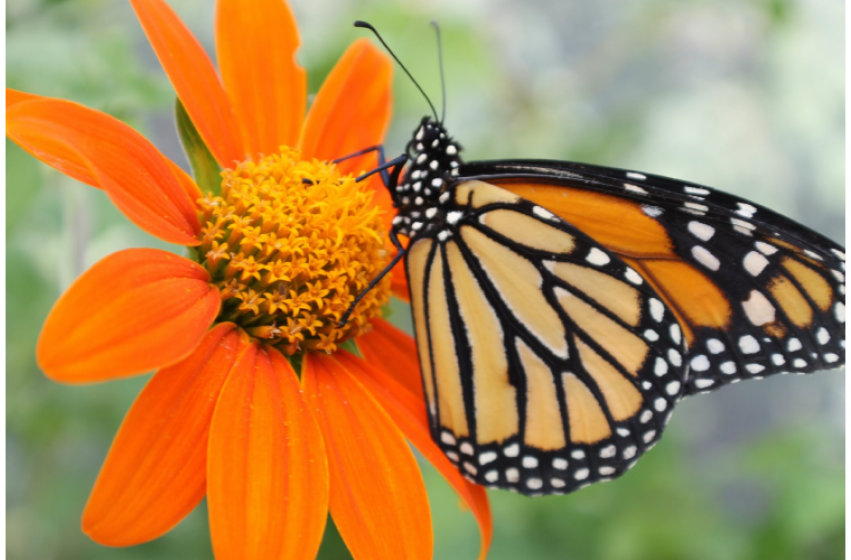
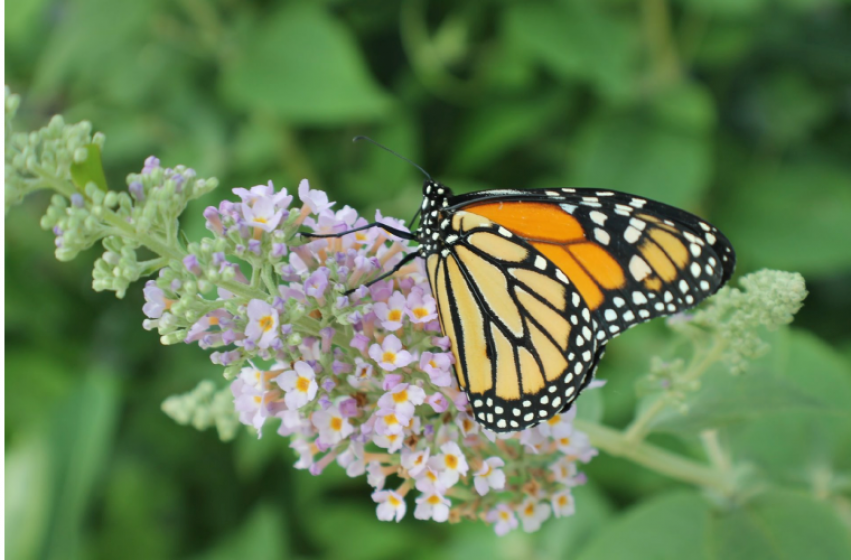
We’re pretty sure when Jeffery Osborne wrote “On the Wings of Love,” in 1982, he was not belting out romanticisms to his beloved, but instead bragging about his beautiful and blossoming butterfly garden. (Of course we may think all ballads have some sort of tie back to gardening) Whether that’s true or not, we’ve compiled some tips on how you can paint your garden with the fluttering frolic of our favorite pollinators. Here are our must-dos for a successful butterfly garden.
Let the Sun Shine- Butterflies love the sun, and so do successful pollinator plants, so plan your garden in an area that promotes bountiful amounts of beams.
It Takes Two to Make a Thing go Right – There are two types of plants you will need to be successful:
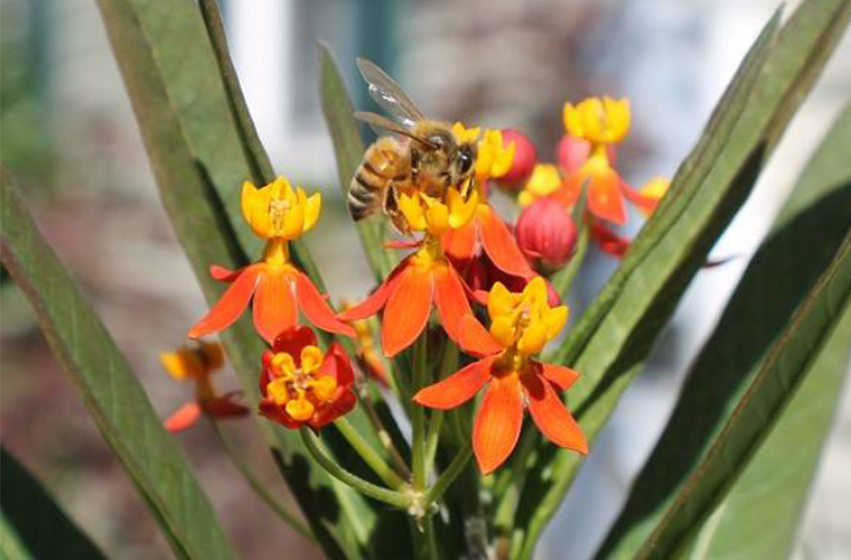
- Host Plants- These plants are ideal for butterflies to lay their eggs on. Milkweed is the most popular and McDonald Garden Center offers a number of varieties. We recommend using a few different types tomaximize your potential.
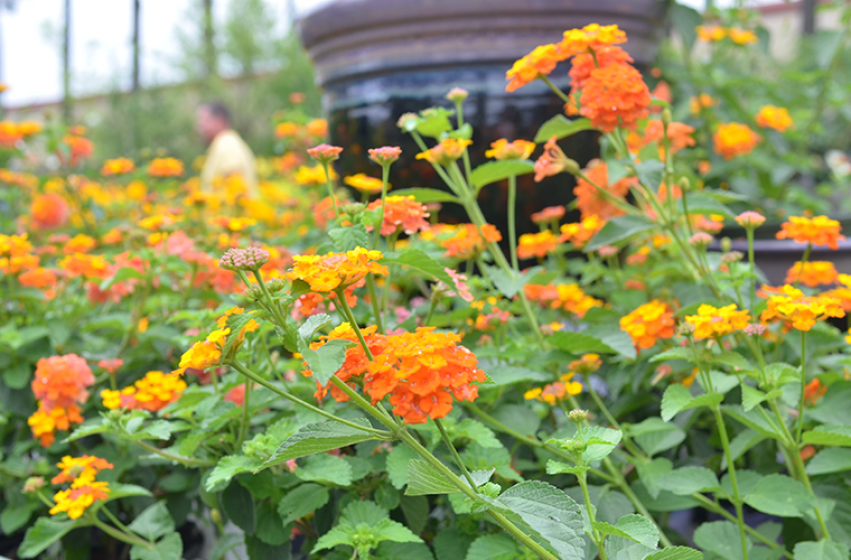
- Nectar Plants- Butterflies are drawn to nectar-producing plants like marigold, rhododendron, blackberry, etc. They are also drawn to color, especially red, orange, yellow, and purple. Plant them in groups of 3 to make them easier to see.
Thirst Quenchers- Butterflies need shallow puddles to drink from. Some birdbaths actually have design elements that encourage puddles. Another alternative is to plant your garden in an area where water naturally collects.
Be Diverse- Diversify the landscape. Butterflies have very delicate wings which are easily damaged by wind. Planting larger plants like broad-leafed trees and/or conifers shield your pollinator plants and provides a welcoming and safe environment.
Care and Maintenance- Water often until the roots get established. If your soil is acidic, or particularly sandy (which many in Hampton Roads are) we suggest adding compost or using nutrient rich topsoil. gardenReward members get FREE soil testing.
Be Eco-Friendly- You should avoid using pesticides when possible that will harm or kill the butterflies you worked so hard to attract. McDonald Garden Center offers a number of organic solutions.
Butterflies are a beautiful and welcome addition to any garden. Lacking space? Use containers or planters to create your butterfly garden. Pollinator plants need lots of room, so just get a pot large enough to accommodate them.