Why Prune? Winter Pruning of Trees & Shrubs
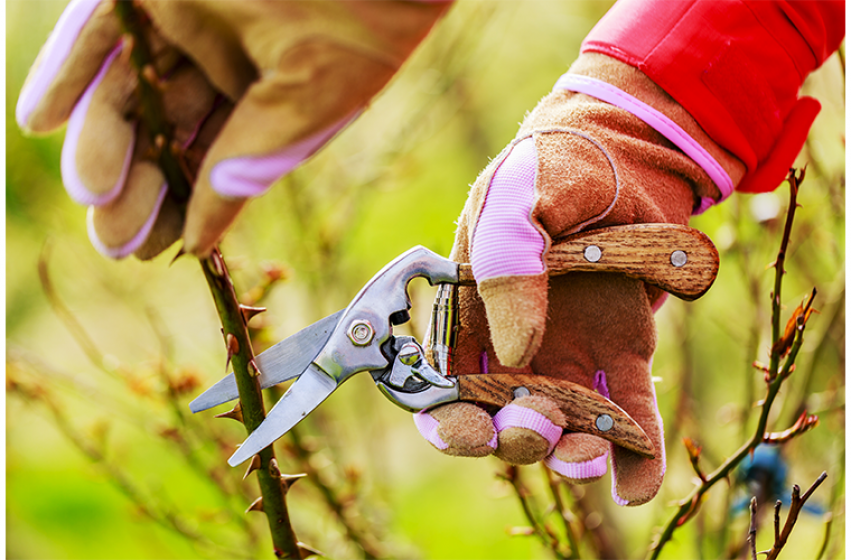
Winter, a peaceful time in the garden when trees and shrubs spend time patiently waiting for spring’s arrival. This quiet state is an extremely important stage of their annual life cycle and the perfect opportunity for you to help promote good plant health and vigor by pruning. Pruning is a regular part of plant maintenance involving the selective removal of specific plant parts. Although shoots and branches are the main targets for removal, roots, flower buds, fruits and seed pods may also be pruned. Pruning not only helps to boost your home’s curb appeal but also allows for proper plant growth, as well as helping to control insects and plant related diseases. We’ve outlined some of the other key benefit of pruning trees and shrubs during the dormant, winter months:
Improved Appearance and/or Health.
Prompt removal of diseased, damaged, or dead plant parts accelerates the formation of callus tissue and may limit the spread of insects and disease. For trees, pruning a dense canopy allows for better air circulation and sunlight penetration. To avoid future problems, remove crossing branches that rub or interfere with each other and any that form narrow crotches.
Control Plant Size.
Pruning reduces the size of a plant, so it remains in proportion with your landscape. Pruning can also decrease shade, prevent interference with utility lines, and allows for better access for pest control.
Prevent Personal Injury or Property Damage.
Removing dead or low limbs makes underlying areas safer. Pruning can also reduce wind resistance in trees. Prune shrubs with thorny branches back from walkways and other heavily-traveled areas. We recommend that you have certified arborists handle any pruning work in the crowns of large trees.
Train Young Plants.
Training main scaffold branches (those that form the structure of the canopy) helps to produce stronger and more vigorous trees. Shaping branches with hand pruners while a plant is young is much easier than pruning larger branches later.
Encourages Fruiting and Flowering.
Proper pruning of flower buds encourages early growth. There are also selective pruning techniques that will help stimulate flowering in some species and help produce larger (yet fewer) fruits in others.
Rejuvenate Old Trees and Shrubs.
As trees and shrubs mature, their forms may become unruly. Pruning can restore vigor and enhance the appearance of plants. For additional information on pruning click on the video below.