5. Hydrophobic Heroes: Succulents have a remarkable adaptation to maximize water collection. Some species have leaves covered in a wax-like substance that repels water droplets. Instead of absorbing moisture, these droplets roll down to the base of the plant, where they are absorbed through specialized root structures. This hydrophobic trait allows succulents to make the most of sparse rainfall in their native habitats.
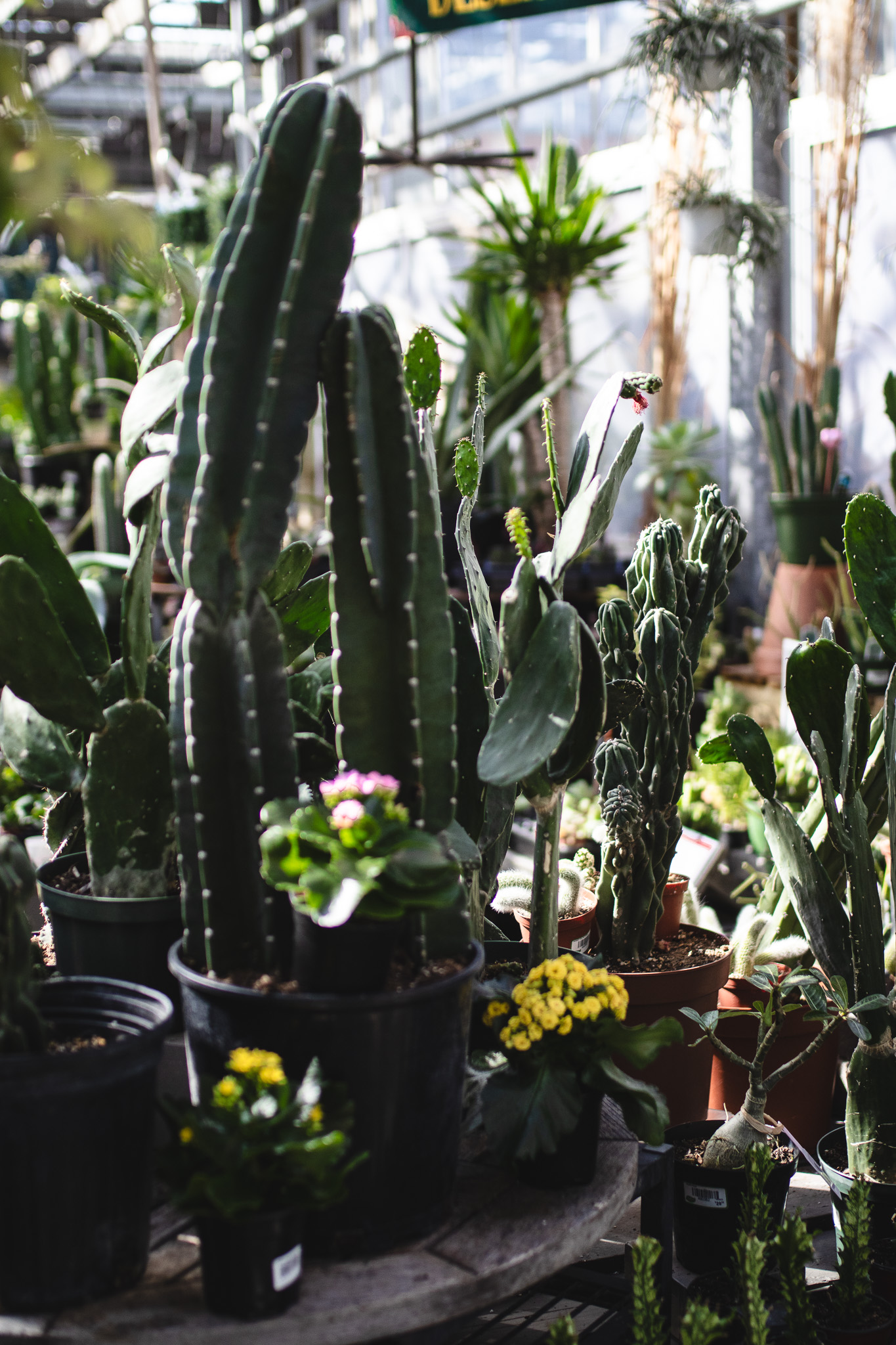
4. Cacti, the Heat Engineers: Cacti possess a remarkable ability to regulate their temperature, even in scorching desert environments. Some cacti have ribs that expand and contract based on temperature fluctuations. During the heat of the day, these ribs contract to reduce surface area, minimizing water loss through evaporation. Conversely, at night, the ribs expand to increase surface area, allowing the cactus to absorb moisture from the cooler air.
3. Succulent Survival Tactics: In addition to storing water, some succulents have developed ingenious survival tactics to outsmart herbivores. Take the “Mother of Thousands” (Kalanchoe daigremontiana), for example. This succulent reproduces asexually by producing tiny plantlets along the edges of its leaves. When these plantlets drop to the ground, they take root and grow into new plants, ensuring the species’ survival even in the face of grazing animals.
2. Cactus Architects: Certain cacti species have evolved unique growth patterns to maximize their exposure to sunlight while minimizing water loss. These cacti grow in a columnar shape with ribs that spiral around the stem. This spiral growth pattern allows the cactus to cast a smaller shadow on itself, reducing the surface area exposed to the sun’s intense rays and helping to prevent overheating.
1. Succulent Geotropism: Succulents exhibit a fascinating phenomenon known as geotropism, where they respond to gravitational forces by altering their growth patterns. Some species have foliage whose leaves twist and curl as they grow, creating intricate rosettes that spiral outward from the center. This unique growth pattern not only enhances the plant’s aesthetic appeal but also helps it maximize sunlight absorption and minimize water loss.
Succulents and cacti are more than just trendy houseplants—they’re fascinating additions to your home decor with a host of unexpected benefits. So go ahead, embrace the prickly charm of succulents and cacti, and watch as they transform your home into a desert oasis of style and serenity. To keep inspired and grow with us, follow us on Facebook, Instagram, Pinterest, and TikTok to dig into the joys of gardening!