ALL PLANTS 30% OFF Now – June 7th!

How to Get Into Herb Gardening

As spring emerges into its full season, many gardening enthusiasts eagerly anticipate the opportunity to cultivate fresh herbs in their gardens.

How to Get Into Herb Gardening
cmelvin

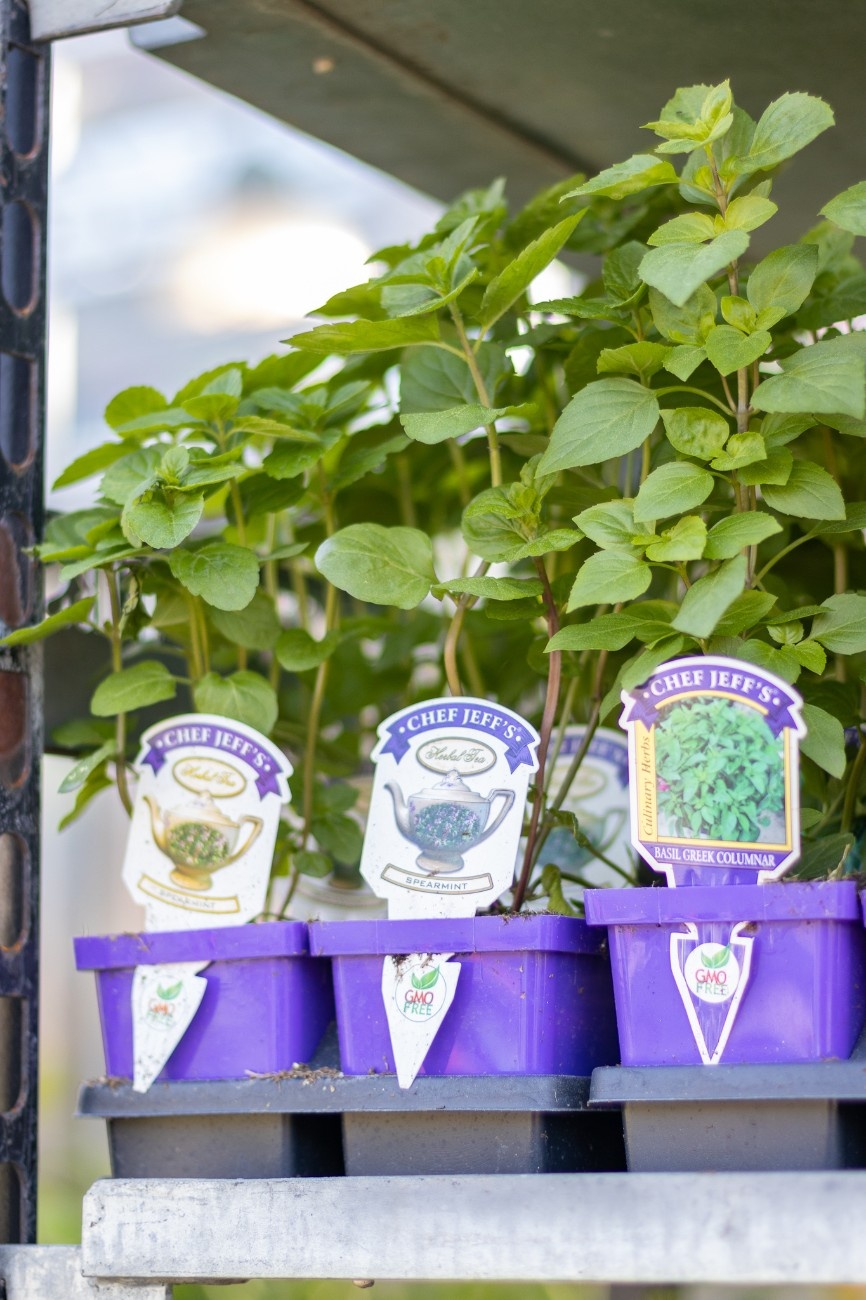
As spring emerges into its full season, many gardening enthusiasts eagerly anticipate the opportunity to cultivate fresh herbs in their gardens. Herb gardening not only adds flavor and fragrance to your culinary creations but also offers a host of health benefits and the satisfaction of growing your own ingredients. If you’re considering delving into herb gardening this spring, but you’re wary of soft-leaved herbs due to lingering cold temperatures, fear not! There are plenty of robust herbs perfectly suited for spring planting. In this guide, we’ll explore how to get started with herb gardening for the early spring season.
Herbs 1
Herbs 2
Herbs 3

1. Selecting Your Herbs:

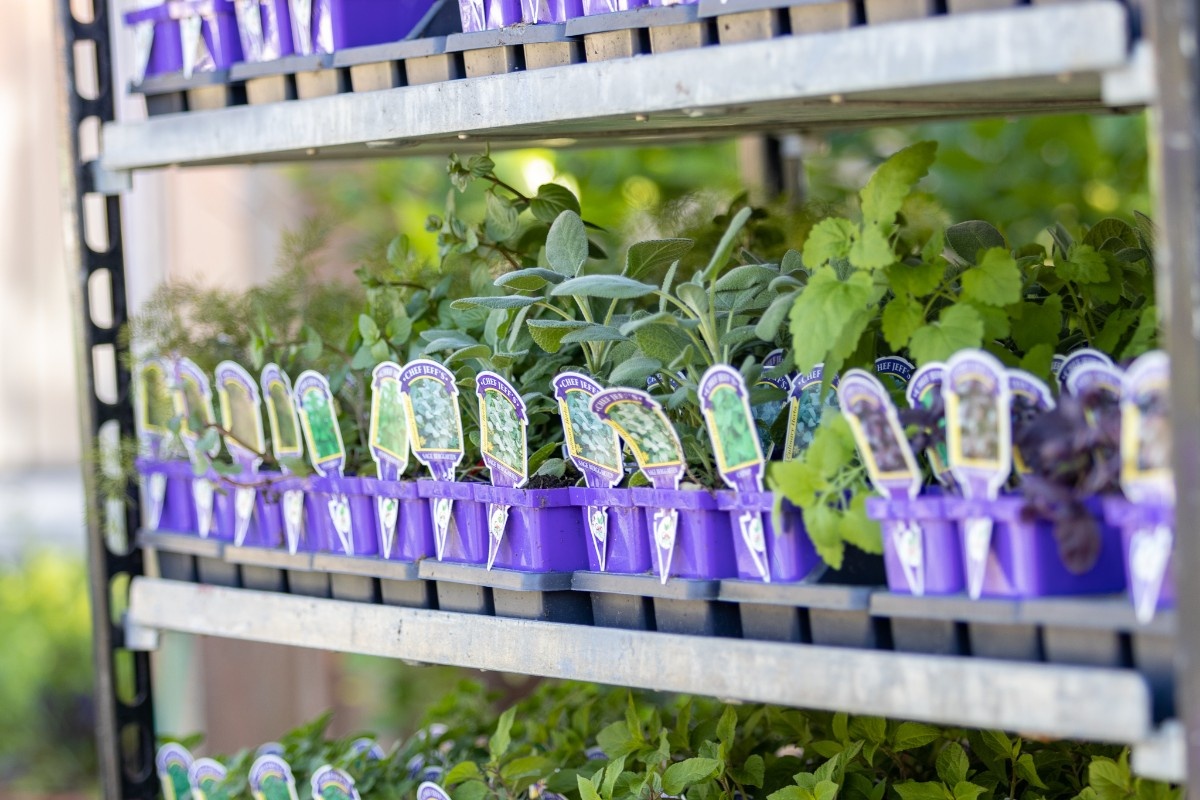
When planning your spring herb garden, it’s essential to choose herbs that can withstand the occasional frosts until we pass the frost date of April 15th in the Hampton Roads area, which is quickly approaching! Fortunately, many culinary herbs fall into this category, making them ideal candidates for early spring planting. Some of our favorite herbs to consider include:

  • Rosemary: This aromatic herb is well-suited to spring planting, as it thrives in sunny locations with well-drained soil. Rosemary’s woody stems and needle-like leaves are robust enough to withstand cooler temperatures.
  • Thyme: With its low-growing habit and small, flavorful leaves, thyme is a versatile herb that can tolerate chilly spring weather. It prefers full sun and well-drained soil, making it an excellent choice for garden borders or rockeries.
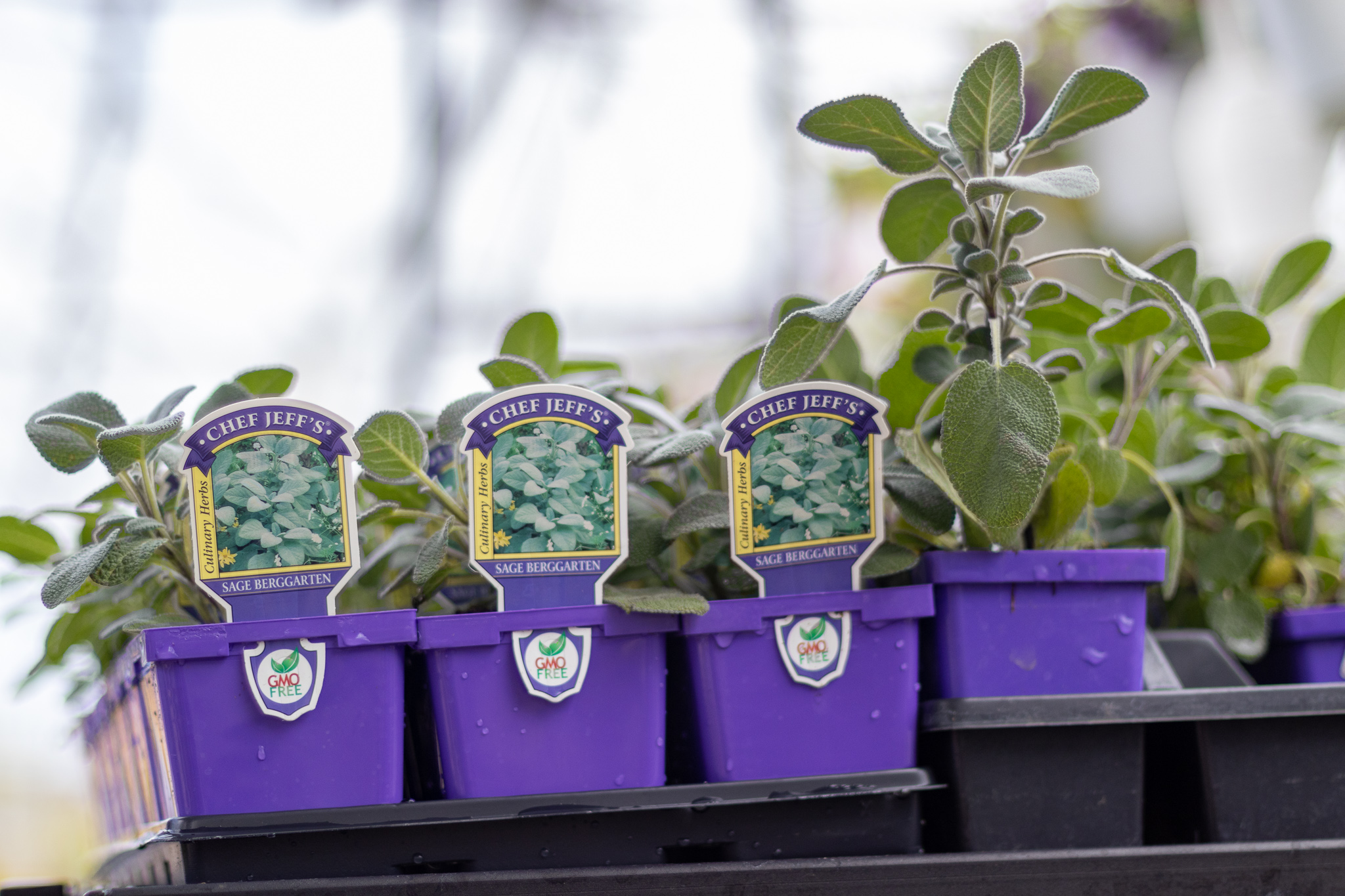
  • Sage: Sage is a hardy perennial herb that adds a savory flavor to dishes. It can tolerate colder temperatures and even light frosts, making it an excellent option for early spring planting.
  • Chives: These versatile herbs belong to the onion family and are prized for their mild onion flavor. Chives are cold-hardy and can be planted early in the spring, producing delicate green shoots that are perfect for garnishing soups, salads, and other dishes.

2. Planning Your Herb Garden:

Before you start planting your herbs, take some time to plan your garden layout. Consider factors such as sunlight exposure, soil quality, and spacing requirements for each herb variety. Most herbs prefer well-drained soil and full sun, so choose a sunny spot in your garden or on your balcony for optimal growth. If you’re limited on space, you can grow herbs in containers or raised beds. This allows you to control the soil quality and provides flexibility in terms of placement and arrangement.

3. Planting and Care:

Once you’ve prepared your garden beds or containers, it’s time to plant your herbs. Follow these steps for successful planting and care:

  • Prepare the Soil: Ensure the soil is well-drained and rich in organic matter. If needed, amend the soil with compost or aged manure to improve fertility.
  • Planting Depth: Plant your herb seedlings or transplants at the same depth as they were in their nursery containers. Space them according to their specific requirements, typically 6 to 12 inches apart, to allow for proper airflow and growth.
  • Watering: Keep the soil consistently moist but not waterlogged, especially during the establishment phase. Water in the morning to allow foliage to dry before nighttime, reducing the risk of fungal diseases.
  • Mulching: Apply a layer of mulch around your herb plants to conserve moisture, suppress weeds, and regulate soil temperature. Organic mulches like straw or shredded leaves work well for this purpose.
  • Fertilizing: Herbs generally don’t require heavy fertilization. A light application of balanced fertilizer or compost in the spring can provide nutrients for healthy growth.
  • Pruning and Harvesting: Regular pruning encourages bushier growth and helps maintain the vigor of your herb plants. Harvest herbs in the morning when their flavors are most concentrated, using sharp scissors or pruning shears to avoid damaging the plants.

4. Enjoying the Herbs of Your Labor:

As your herb garden flourishes throughout the spring and into the warmer months, take pleasure in using your freshly harvested herbs to elevate your culinary creations. And as the weather warms up even more, add to your early spring collection with some soft-leaved favorites like basil, mint, parsley, and more. Whether you’re adding fragrant rosemary to roasted potatoes, sprinkling thyme over grilled vegetables, or infusing sage into savory sauces, the flavors and aromas of homegrown herbs are unmatched.

Additionally, consider preserving excess herbs by drying, freezing, or making herb-infused oils and vinegars. This allows you to enjoy your garden’s bounty long after the growing season has ended.


Herb gardening in the spring is a rewarding endeavor that allows you to connect with nature, enhance your cooking, and enjoy the beauty and fragrance of fresh herbs. By selecting your favorite varieties, planning your garden layout thoughtfully, and providing proper care and maintenance, you can create a thriving herb garden that brings joy and flavor to your outdoor space. To keep inspired and grow with us, follow us on FacebookInstagramPinterest, and TikTok to dig into the joys of gardening!

Recent Blog
The June Garden Refresh: Plants That Instantly Re-Energize Your Yard
5 Secrets to Bigger, Better Tomatoes This Season
From Canvas to Container: Finding Garden Inspiration in Art

Related Articles

The June Garden Refresh: Plants That Instantly Re-Energize Your Yard

By June, your garden has revealed a lot about itself. Some plants are hitting their stride, while others have finished their spring show. You may even notice a few spots...

5 Secrets to Bigger, Better Tomatoes This Season

A great tomato harvest starts long before the first fruit ripens. From choosing the right variety to understanding how your plants grow, a few tomato-specific techniques can make all the...

From Canvas to Container: Finding Garden Inspiration in Art

What do great gardens and great works of art have in common? Both tell a story through color, texture, balance, and emotion. Just like an artist uses a canvas to...

Explore McDonald Garden Center